

Technical Support:
158-7527-1139

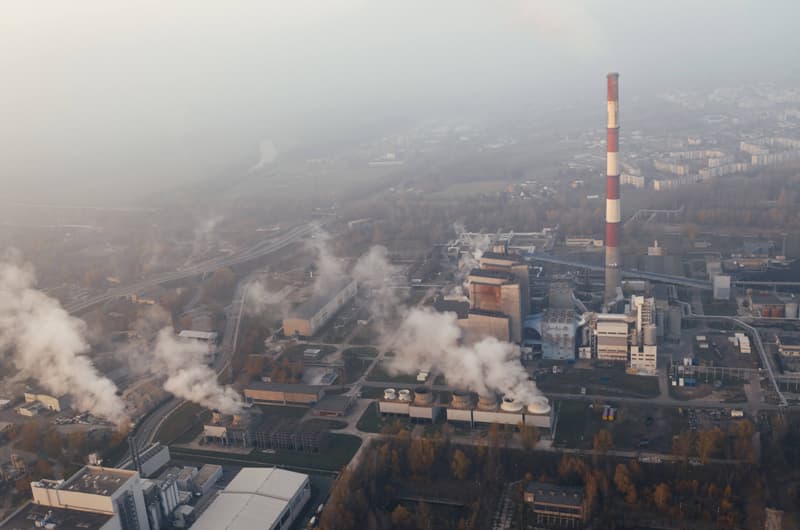
With the continuous advancement of urbanization and industrial development, atmospheric pollution has become a serious environmental problem. Fine particulate matter (PM2.5) is one of the main components of air pollution and has a serious impact on human health and the environment. To monitor and manage PM2.5 pollution, the development of PM2.5 particulate matter sensors has become particularly important. This article will explore the current state of PM2.5 sensor development and analyze future trends.
Current Development State:
● Advancement in sensor technology: With the continuous development of sensor technology, the sensitivity and precision of PM2.5 sensors have been significantly improved. Modern sensors can more accurately detect PM2.5 concentrations, providing reliable data support for environmental monitoring.
● Real-time monitoring networks: Governments and environmental protection organizations in various countries have established large-scale real-time monitoring networks, using PM2.5 sensors to track atmospheric pollution levels. These networks allow the public to understand air quality conditions in real-time and take necessary measures to protect their health.
● Mobile sensor technology: With the development of mobile sensor technology, people can use portable PM2.5 sensors to monitor air quality at home, in the workplace, or outdoors. This portable technology makes it easier for individuals to participate in environmental monitoring and take action.
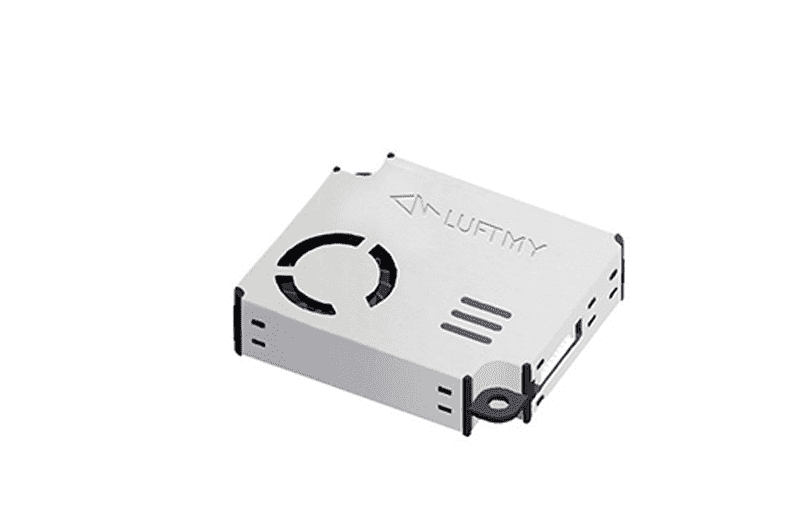
Analysis of Future Trends:
● High intelligence: Future PM2.5 sensors will be more intelligent, with automatic calibration, self-maintenance, and remote monitoring functions. This will reduce the complexity of sensor maintenance and improve data reliability.
● Data sharing and cloud storage: Future PM2.5 sensors will be more integrated with cloud platforms to achieve data sharing and storage. This will make it easier for governments, research institutions, and the public to access and analyze air quality data to formulate more effective environmental policies.
● Smart City integration: PM2.5 sensors will become part of smart city construction, integrating with other city facilities and systems to improve urban quality of life. Through real-time monitoring and feedback, city managers can better manage and respond to pollution problems.
● Green energy power supply: Future PM2.5 sensors will increasingly use renewable energy sources such as solar or wind power. This will reduce their energy consumption and lower environmental impact.
The development of PM2.5 particulate matter sensors plays a key role in improving air quality and protecting health. With continuous technological advancement and innovation, these sensors will become more intelligent, portable, and sustainable. In the future, we can expect to see more PM2.5 sensors being widely applied to achieve a cleaner and healthier environment.
