

Technical Support:
158-7527-1139


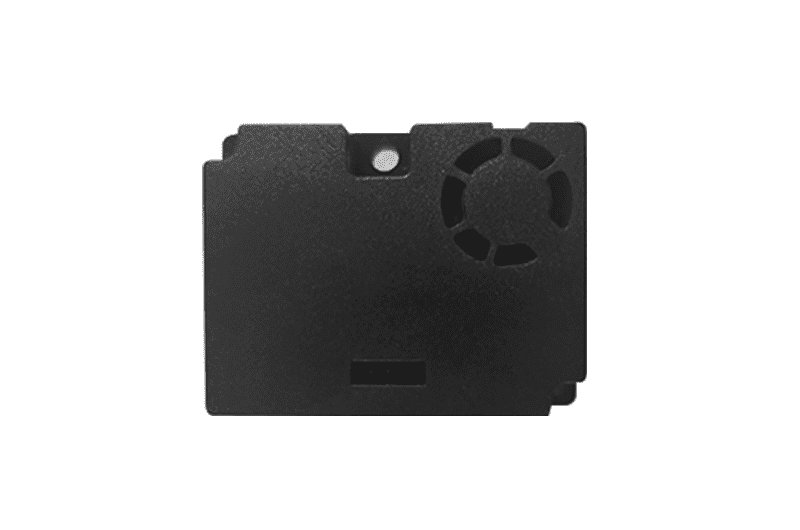
Dust is a major form of air pollution that can have adverse effects on human health and the environment. To monitor and control the concentration of dust in the atmosphere, scientists and engineers have developed dust sensors. This article will explore the working principle of dust sensors and how they detect dust particles in the air.
The working principle of dust sensors is based on various principles such as optical, electronic, or mass measurement, but one common working principle is based on the optical scattering method. Below we will introduce this principle in detail.
● Laser light source: Dust sensors are typically equipped with a laser light beam that passes through the dust particles in the air being measured.
● Scattering phenomenon: When the laser beam encounters dust particles, the light is scattered by the particles. This scattering phenomenon depends on the size and shape of the dust particles.
● Receiver: The sensor is equipped with an internal receiver to capture the light scattered by the dust particles. The receiver detects the intensity and direction of the scattered light.
● Data processing: The sensor compares the received data with known standards or calibration curves to determine the concentration of dust particles. Concentration information is usually expressed in micrograms per cubic meter (μg/m³) or other appropriate units.
Key factors in detecting dust:
The performance and accuracy of a dust sensor are affected by several factors, including:
● Laser light source: The wavelength and intensity of the light source affect the sensor's performance.
● Receiver sensitivity: The receiver must be sensitive enough to detect minute light scattering.
● Dust particle size: Different sensors may have different sensitivities to different sizes of dust particles. Some sensors are specifically designed to detect specific particle sizes such as PM2.5 or PM10.
● Temperature and humidity: Environmental factors such as temperature and humidity may also affect sensor performance, so sensors typically need to be calibrated under different conditions.
Application areas:
Dust sensors have wide applications in fields such as environmental monitoring, industrial production, building construction, air quality monitoring, and indoor air quality management. They help governments and organizations monitor and improve atmospheric quality to protect public health and ensure employee safety in industrial processes.
Dust sensors can effectively detect dust particles in the air through different working principles, such as optical scattering, providing important environmental data. These sensors play a key role in air quality management and environmental protection, helping to mitigate the impact of atmospheric pollution on human health and the environment.
