

Technical Support:
158-7527-1139

Smoggy weather is striking again. Even if we reduce window ventilation, outdoor polluted air still flows indoors, leading to a decline in indoor air quality. Smoking, human respiration, gases emitted from decoration materials, kitchen oil fumes, and air conditioning can all reduce the quality of indoor air. Especially in offices using central air conditioning without opening windows all day, the oxygen content of indoor air gradually drops, which can make people feel dizzy, have dry eyes, feel sleepy and weary, and significantly reduce work efficiency.
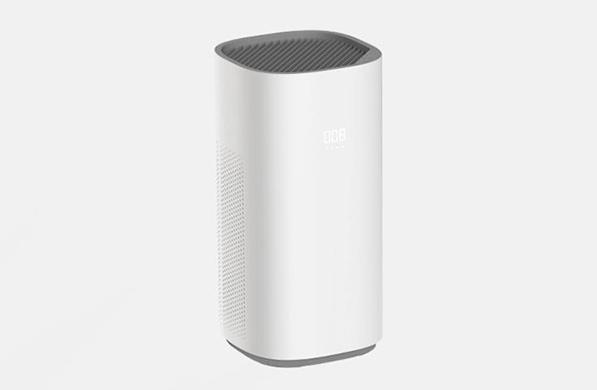
Experts remind that when air pollution is severe, you can plant more green plants with strong adsorption capacity at home or in the office, such as Aloe Vera, Spider Plant, Pothos, Monstera, Alocasia, Ivy, Money Tree, and Rubber Tree. These can adsorb some harmful gases and fine particles, having a certain effect on purifying indoor air. When cooking in the kitchen, turn on the range hood before starting the stove and keep it running for a while after finishing. Keeping the room clean and frequently wiping floors, tables, and chairs helps reduce the amount of dust. Avoid placing paper or newspapers next to the computer to prevent them from attracting static electricity and accumulating dust. Air conditioners should be cleaned and disinfected regularly to eliminate pollution sources. Using air purifiers and humidifiers can purify indoor air and maintain humidity to a certain extent. In addition, smoking is one of the main sources of indoor air pollution, so do not smoke indoors.
During smoggy weather, air purifiers become hot-selling items. Household appliance maintenance professionals suggest that after using an air purifier for a period, you should pay attention to cleaning the filter.
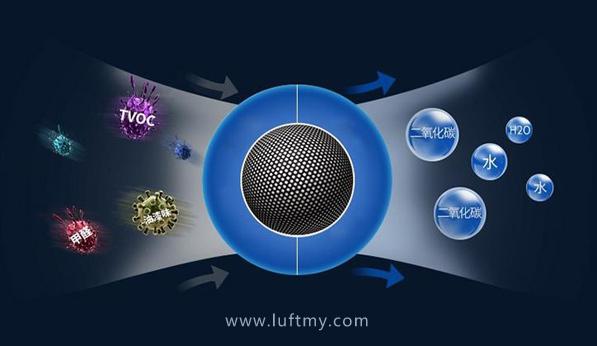
Luftmy editors have learned that air purifiers currently on the market generally have 3 to 5 layers of filters. If filters clogged with dust and particles are not cleaned or replaced in time, the purifier's performance may decline. Furthermore, dust and mold accumulated on the filter may cause secondary pollution indoors. Nowadays, many air purifiers have filter replacement indicator lights. When the light is on, it reminds the user to replace the filter. If there is no indicator light, clean and replace it according to the frequency of use and the service life specified in the product manual.
If the outermost filter is dirty, it can be cleaned with a car vacuum cleaner. If it is washable, it can also be rinsed under a tap. For filters in the middle or innermost layer that cannot be washed, they should be replaced according to the situation. For example, deodorizing filters should be replaced according to the manual; if it is a common high-efficiency air purifier (HEPA filter, with 99.99% efficiency for 0.3-micron particles), it can generally be used for 2 to 5 years; if it is an activated carbon filter, it is best to replace it every six months.
Experts remind that if the outdoor air quality is good, there is no need to turn on the air purifier for a long time; ventilation should be the first choice. If outdoor air pollution is severe or there is indoor decoration pollution, an air purifier can be used as an aid. When turning on the air purifier, close doors and windows to create a relatively closed environment to ensure better purification results. When using an air purifier, try not to place it against walls or furniture; it is best to keep a distance of more than 1 meter.

When air quality is poor, people with chronic diseases need to be particularly cautious and can appropriately eat more vitamin-rich foods. It is reported that the number of patients with chronic asthma and chronic bronchitis visiting hospitals has increased significantly recently. The transition between winter and spring is a peak period for respiratory diseases, and persistent smog increases the content of pollutants such as sulfur dioxide and nitrogen oxides in the air, thinning the oxygen concentration. If patients with chronic respiratory diseases show signs of recurrence or worsening, they should go to the hospital for examination and take medication without delay. If no obvious symptoms appear, they should also reduce the frequency of going out and choose appropriate times for outdoor activities. Such patients can usually eat more foods like white radish, black fungus, tofu, yam, snow pear, silver ear fungus, lotus seeds, and lily bulbs.
Experts explain that harmful substances in smog also affect middle-aged and elderly people with chronic diseases such as cardiovascular and cerebrovascular diseases. These substances enter the body with the smog and may cause slow and continuous damage to the vascular endothelium, affecting the oxygen-carrying capacity of red blood cells, thereby affecting the blood and oxygen supply to the heart and brain, and inducing dizziness and chest tightness. Patients with chronic cardiovascular and cerebrovascular diseases should carry medications for treatment and protection in addition to wearing masks and staying warm when going out in smoggy weather. Such patients can usually eat more foods rich in vitamins and carotene, such as grapes, oranges, purple sweet potatoes, tomatoes, carrots, and cantaloupes.
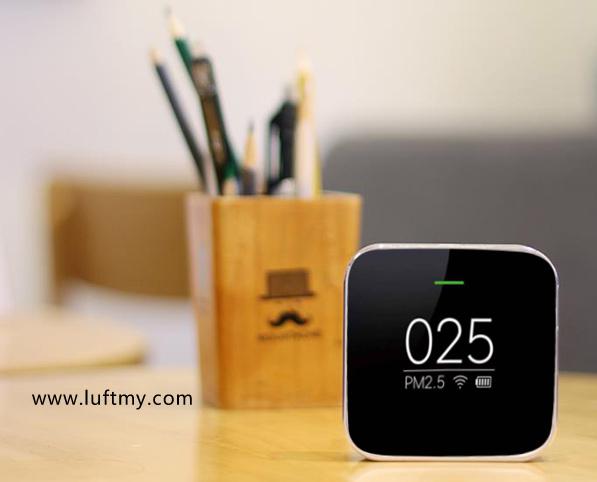
The PM2.5 detector is a dedicated instrument for measuring the PM2.5 (fine particulate matter) value in the air. It is suitable for measurement in public places, atmospheric environments, indoor air, and vehicle interiors, and can also be used for the evaluation and analysis of air purifier purification efficiency. Air monitors, air quality testing, and indoor air quality monitors use the laser PM2.5 sensor developed and produced by Luftmy based on the Mie scattering principle. It adopts the PSO particle swarm algorithm to invert particulate matter mass concentration, ensuring fast and accurate data reading.
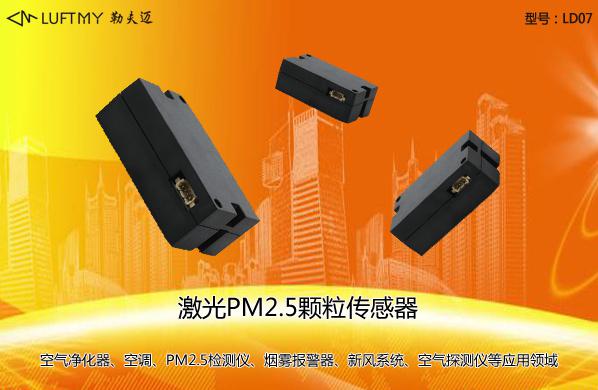
Luftmy, a manufacturer of laser air quality sensors, presents the LD07 silent laser dust PM2.5 sensor. It is a high-precision particulate matter concentration sensor based on the laser Mie scattering theory. it can continuously collect and calculate the number of suspended particles of different sizes in the air per unit volume, i.e., the particle concentration distribution, and then convert it into mass concentration, outputting it in the form of a general digital interface. The Luftmy LD07 laser air quality sensor features small size, high precision, strong anti-interference ability, low power consumption, long lifespan, zero false alarm rate, and short response time. This silent laser dust PM2.5 sensor can be embedded in various instruments or environmental improvement equipment related to suspended particulate matter concentration, such as air monitors, air quality testing, and indoor air quality monitors, providing timely and accurate concentration data.
