

Technical Support:
158-7527-1139

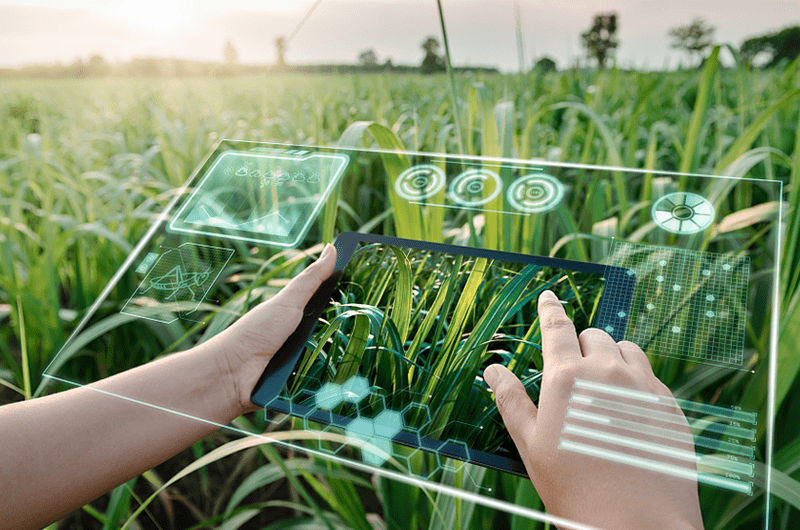
With the continuous development of technology, the agricultural field has gradually entered the era of intelligence. Smart agriculture utilizes advanced technologies to improve agricultural production efficiency, reduce resource waste, and ensure the quality and safety of agricultural products. In smart agriculture, sensors play a vital role as they are used to monitor and collect various agriculture-related data, thereby helping farmers make more informed decisions. This article will introduce commonly used sensors in smart agriculture.
● Temperature sensors: Widely used in the agricultural field to monitor the temperature of soil, atmosphere, and water bodies. This data is crucial for the growth and development of crops. Temperature sensors help farmers determine optimal planting times, irrigation frequencies, and harvesting schedules.
● Humidity sensors: Used to measure the humidity levels of air and soil. This is very important for irrigation management as it helps farmers avoid over-irrigation or drought, thereby improving water resource utilization efficiency.
● Light sensors: Used to measure light intensity and sunshine duration. This data is essential for plant photosynthesis and growth processes. By monitoring light conditions, farmers can adjust planting schemes to ensure crops receive sufficient sunlight.
● Soil moisture sensors: Can measure the water content in the soil. This helps farmers determine when irrigation is needed and how much water is required to maintain healthy crop growth. They also help reduce waste and lower the cost of water resource usage.
● Soil pH sensors: Used to measure the acidity or alkalinity of the soil. Different plants have different requirements for soil pH; therefore, by monitoring and adjusting soil pH, farmers can provide the most suitable environmental conditions to promote crop growth.
● Wind speed and direction sensors: Used to monitor wind intensity and direction. This is important for both the safety and effectiveness of agricultural operations. For example, when spraying pesticides or applying fertilizer, knowing the wind direction can help farmers avoid the drift of chemicals or fertilizers.
● Rainfall sensors: Used to measure precipitation, helping farmers understand rainfall conditions. This assists in irrigation decisions and flood risk management.
● Weather stations: Typically include multiple sensors to measure meteorological data such as temperature, humidity, wind speed, wind direction, and air pressure. This data is crucial for accurate weather forecasting and agricultural decision-making.
Sensors play an indispensable role in smart agriculture. They help farmers monitor and collect various agriculture-related data to optimize agricultural production processes, improve production efficiency, reduce resource waste, and ensure the quality and safety of agricultural products. With continuous technological progress, the application scope of sensors will continue to expand, bringing more innovations and opportunities to the agricultural field. Smart agriculture can not only improve agricultural sustainability but also meet the growing global food demand.
