

Technical Support:
158-7527-1139

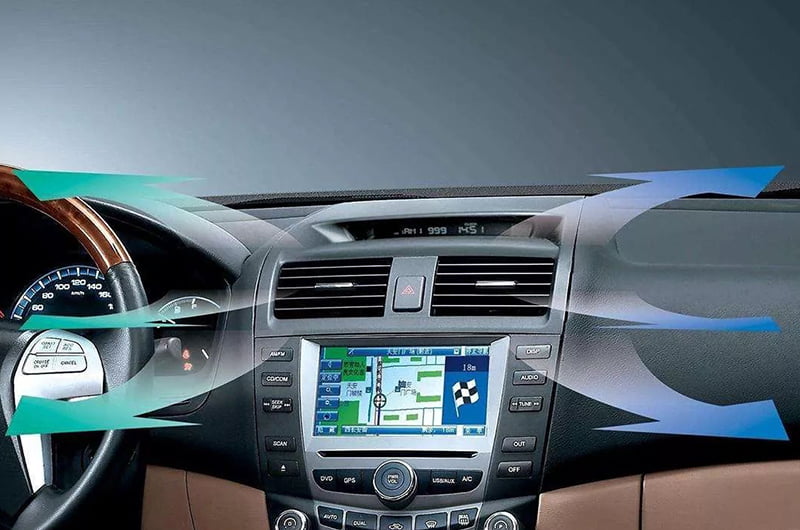
With the continuous progress and popularization of automotive technology, modern cars are no longer just a means of transportation; they have also become more intelligent and comfortable. The automotive air conditioning system is one of the important components of modern vehicles, and the performance and efficiency of these systems depend on the operation of various sensors. This article will explore common types of sensors in automotive air conditioning systems and their role in providing a comfortable driving experience.
1. Temperature Sensor
One of the most common sensors in an automotive air conditioning system is the temperature sensor. These sensors are used to measure the temperature inside and outside the vehicle to ensure the AC system can adjust the temperature as needed. Inside the car, temperature sensors are usually installed on the dashboard or near the seating area to accurately monitor the temperature where passengers are located. Outside the car, temperature sensors help the system determine the external ambient temperature to better control the internal climate.
2. Humidity Sensor
Humidity sensors are also vital components of the automotive air conditioning system. They measure the humidity levels in the air, which is crucial for ensuring air quality and comfort within the cabin. Based on data from the humidity sensor, the AC system can adjust the moisture in the air to prevent the interior from becoming too dry or too damp.
3. Solar Radiation Sensor
Solar radiation sensors are used to detect the level of solar radiation and the direction of sunlight. These sensors help the AC system decide whether to increase or decrease cooling power to counter the effect of sunlight on the vehicle's internal temperature. By accurately measuring solar radiation, the AC system can control temperature more effectively, improve energy efficiency, and reduce waste.
4. Pressure Sensor
Pressure sensors are used in the AC system to monitor the pressure of the refrigerant (typically R134a or R1234yf). These sensors ensure the refrigeration system operates at the appropriate pressure for optimal cooling. If refrigerant pressure is too high or too low, the system may fail to provide adequate cooling or even lead to system failure.
5. Speed Sensor
An automotive air conditioning system typically includes one or more fans to distribute cooled air into the vehicle. Speed sensors monitor the rotational speed of these fans to ensure they operate at the correct speed. By adjusting fan speed, the system can provide different cooling effects in various situations to meet passenger needs.
6. External Temperature Sensor
External temperature sensors are used to measure the ambient temperature surrounding the vehicle. Data from these sensors is vital for determining whether to activate the automotive air conditioning system and setting the appropriate temperature. If the external temperature is low, the system may choose heating mode instead of cooling to provide a more comfortable experience.
7. Sunload Sensor
Sunload sensors are used to detect light levels around the vehicle. These sensors help the system adjust the position of windows and sun visors to minimize direct sunlight on the driver and passengers, thereby enhancing cabin comfort.
8. Indoor Air Quality Sensor
Indoor air quality sensors monitor the concentration of gases inside the vehicle, such as CO2 and harmful gases. These sensors help the system decide when to recirculate air or introduce fresh air to maintain good indoor air quality. This is vital for long-distance driving or in heavy traffic to ensure passenger health and comfort.
Modern automotive air conditioning systems are no longer just temperature control devices. They leverage various sensors for more efficient and intelligent climate control and air quality management. These include sensors for temperature, humidity, solar radiation, pressure, speed, external temperature, sunlight, and indoor air quality. By precisely monitoring and controlling these parameters, the system provides a more comfortable, healthy, and energy-efficient driving experience. Therefore, do not overlook these tiny sensors in automotive air conditioning systems; they play a key role in providing true driving pleasure.
