

Technical Support:
158-7527-1139


With the increasing pursuit of health and comfortable living, the issue of in-car air quality has received much attention. Long periods of stay in a vehicle, coupled with the release of volatile organic compounds (VOCs) from interior materials, can lead to an increase in air pollutants, with formaldehyde being one of the most common. This article will introduce the importance of in-car air detection and the key role of formaldehyde sensors in improving in-car air quality.
Importance of in-car air detection:
The car is one of the places where we spend the most time in our daily lives; therefore, in-car air quality has a direct impact on our health and comfort. Here are some main reasons for in-car air quality issues:
● VOCs Release: Materials used in new car interiors, seats, and trims, such as glues, coatings, and plastics, may release VOCs, including formaldehyde. Accumulation of these compounds in the cabin air can cause health issues like headaches, eye irritation, and allergic reactions.
● Insufficient Air Circulation: During long drives or traffic congestion, air circulation inside the car is limited, making it easier for harmful substances to accumulate.
● Smoke and Odors: Odors and pollution from smoking, food residues, and pets also affect in-car air quality.
Key Role of formaldehyde sensors:
Formaldehyde (HCHO) is a common VOC harmful to health. Therefore, formaldehyde sensors play a critical role in in-car air detection:
● Real-time Monitoring: Formaldehyde sensors can provide real-time monitoring of formaldehyde concentrations in cabin air. This real-time detection helps drivers and passengers understand in-car air quality and take necessary actions at any time.
● Alarm Function: When formaldehyde concentration exceeds safe limits, the formaldehyde sensor can trigger an alarm to alert drivers and passengers of potential danger.
● Automatic Control: Systems in some high-end vehicles can automatically adjust air circulation, ventilation, and filtration systems through the formaldehyde sensor to reduce concentrations.
● Health Protection: By monitoring and managing formaldehyde levels, formaldehyde sensors help reduce respiratory issues, allergic symptoms, and fatigue, improving the health and comfort of occupants.
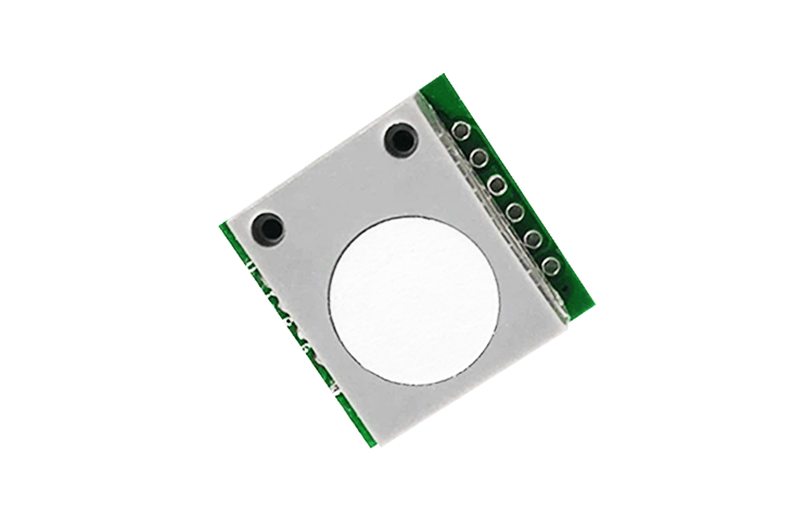
How to Choose a formaldehyde sensor:
● Accuracy: Choose a high-precision sensor to ensure you get accurate formaldehyde concentration data.
● Real-time Monitoring: Prioritize sensors capable of real-time monitoring for immediate action.
● Alarm Function: Select sensors with an alarm function to alert you in dangerous situations.
● Automatic Control: For advanced applications, choose sensors that can integrate with vehicle systems for automated air quality management.
● Reliability: Purchase formaldehyde sensors from well-known brands to ensure reliability and durability.
In-car air detection is a key part of maintaining health and improving the driving experience. Formaldehyde sensors play an important role in this process, helping us monitor and manage air quality in real time. Choosing the right formaldehyde sensor will help provide a healthier and more comfortable in-car environment while enhancing driving safety and experience. With continuous technological progress, we can expect future automobiles to place even greater emphasis on in-car air quality, providing drivers and passengers with higher levels of protection and comfort.
