

Technical Support:
158-7527-1139

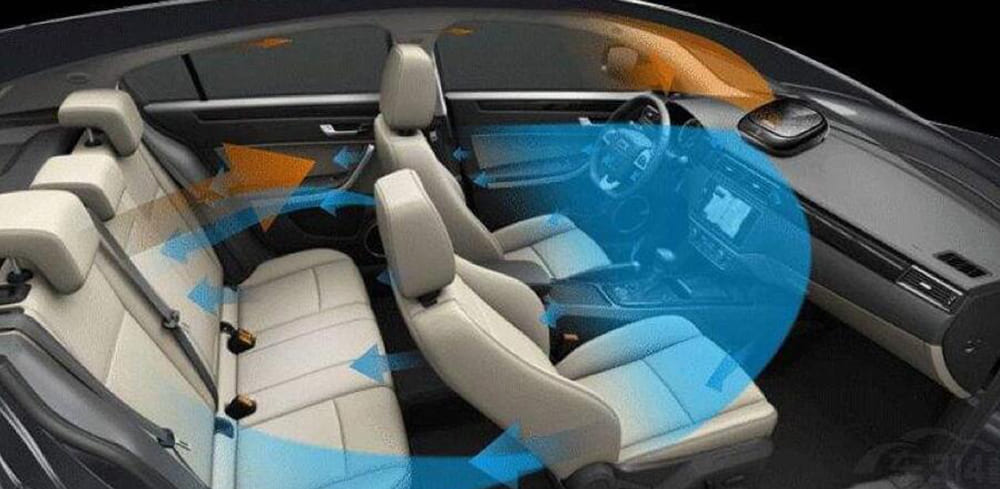
With the increasingly serious problem of air pollution, car air purifiers have become an important choice for people to improve in-car air quality. High-performance car air purifiers can effectively remove pollutants such as PM2.5, formaldehyde, and VOCs from the air inside the vehicle, providing a healthy and comfortable environment for drivers and passengers.
High-performance car air purifiers utilize various sensors to monitor in-car air quality in real-time and automatically adjust the purifier's operating mode based on changes in pollutant concentrations. Common car air purifier sensors include the following types:
● PM2.5 Sensor: Used to detect PM2.5 concentration in the car. PM2.5 is particulate matter with a diameter of 2.5 micrometers or less, which can enter the human lungs through the respiratory tract and cause serious harm to human health.
● Formaldehyde Sensor: Used to detect formaldehyde concentration in the car. Formaldehyde is a colorless, odorless gas with a strong irritating effect and is one of the main sources of indoor air pollution.
● VOC Sensor: Used to detect the concentration of Volatile Organic Compounds in the car. VOCs are volatile compounds that pose hazards such as irritation and carcinogenicity.
In addition, some high-performance car air purifiers also use other sensors, such as:
● Temperature and Humidity Sensors: Used to detect the temperature and humidity of the air inside the car.
● Carbon Dioxide Sensor: Used to detect the concentration of carbon dioxide in the car. Excessively high CO2 concentrations can lead to difficulty breathing, dizziness, and other symptoms.
● Ozone Sensor: Used to detect ozone concentration in the car. Ozone is a strong oxidant that is irritating and carcinogenic.
Sensor selection is a crucial part of designing a high-performance car air purifier. When selecting sensors, the following factors should be considered:
● Accuracy: The higher the sensor's accuracy, the more precise the measurement results.
● Response Speed: The faster the sensor's response, the better it can reflect real-time changes in air quality.
● Stability: Better stability means smaller errors during long-term use.
● Cost: The cost of the sensor is a significant factor in the selection process.
By reasonably selecting sensors, the performance and reliability of car air purifiers can be improved, providing a healthier and more comfortable air environment for drivers and passengers.
