

Technical Support:
158-7527-1139

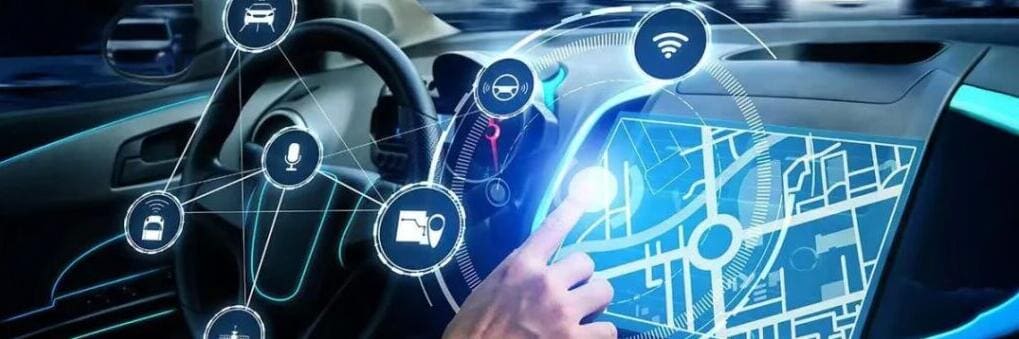
The evolution of modern cars goes far beyond just a means of transportation; they are becoming intelligent partners with the ability to perceive and think. Among them, automotive sensors play a vital role, providing smart cars with perceptual capabilities, allowing vehicles to understand, analyze, and adapt to their surroundings. This article will delve into the types and functions of various automotive sensors and their practical applications in smart cars.
1. The “Eyes” for Perceiving Road Conditions: Camera Sensors
Camera sensors are the “eyes” of smart cars, capable of capturing images and videos of the road. They are used to identify traffic signs, detect road markings, and monitor other vehicles and pedestrians, helping drivers make more informed decisions. Additionally, camera sensors support advanced driver assistance systems such as lane-keeping assist and automatic parking functions.
2. The “Eyes” for Perceiving Obstacles Ahead: Radar Sensors
Radar sensors use radio waves to detect the distance and speed of obstacles ahead. They play a key role in automatic emergency braking systems, helping to avoid collisions and improving driving safety. Furthermore, radar sensors are used for adaptive cruise control, helping to maintain a safe distance from the vehicle in front.
3. The “Ears” for Perceiving Surrounding Vehicles: Ultrasonic Sensors
Ultrasonic sensors perceive the distance of surrounding objects by emitting sound waves. They are commonly used in parking assist systems to help drivers avoid collisions while parking. Additionally, ultrasonic sensors support automatic parking functions, making parking much easier.
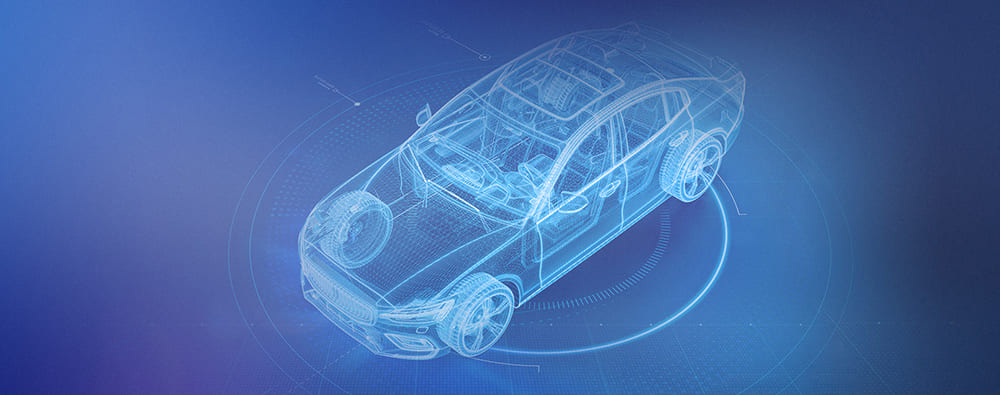
4. The “Brain” for Perceiving Vehicle Position: GPS Sensors
GPS sensors determine a vehicle's precise location and navigation information via satellite positioning systems. They allow drivers to easily find destinations and are also critical components for autonomous driving systems, helping vehicles achieve precise navigation and path planning.
5. The “Intelligence” for Perceiving the Vehicle Powertrain: Engine Sensors
Engine sensors monitor vehicle performance and fuel efficiency. They can detect engine temperature, fuel consumption, and emissions, providing real-time data for engine adjustments to improve fuel efficiency and reduce exhaust emissions, helping to protect the environment.
Automotive sensors are the wisdom eyes of modern smart cars, granting vehicles perception and intelligence, which enhances driving safety, convenience, and comfort. By understanding the types and functions of various automotive sensors more deeply, we can better appreciate these key technologies and how they shape the future of mobility. Car manufacturers and consumers need to carefully consider sensor selection to ensure high performance, reliability, and a better driving experience. Further development of sensors will drive the smart car industry toward a more intelligent, green, and connected future.
