Technical Support:
158-7527-1139

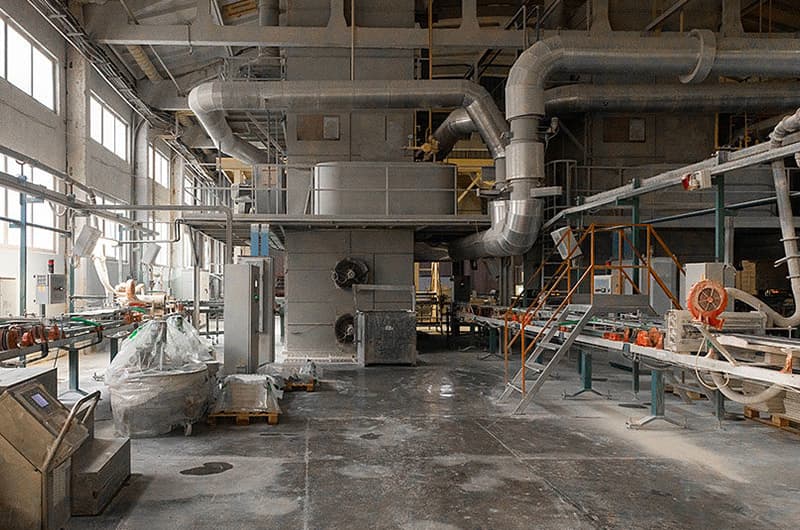
Dust is a common pollutant in industrial production that can pose hazards to workers' health and production equipment. Therefore, effective detection and control of dust in industrial indoor environments is an important measure to ensure workers' health and production safety.
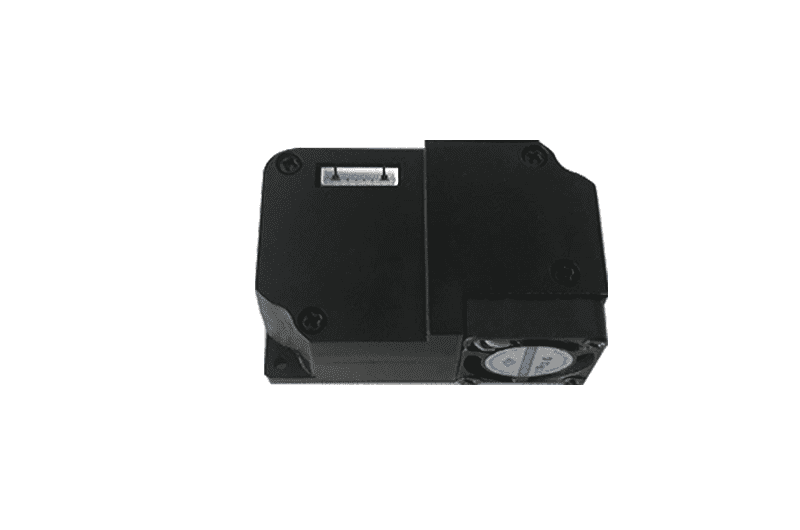
A dust sensor is an instrument that can detect the concentration of dust in the air. Its principle is to use the characteristics of dust particles, such as absorption, scattering, or blocking of physical quantities like light, electricity, and heat, for detection. Currently, common dust sensors on the market mainly include laser scattering, electrostatic, and photoelectric types.
So, can dust sensors be used for industrial indoor environmental detection? The answer is yes. Dust sensors have the following advantages that make them highly suitable for industrial indoor environmental detection:
● Wide Range: Dust sensors can detect dust of different particle sizes, from PM10 to PM2.5, and even finer dust particles.
● High Speed: Dust sensors can quickly detect dust concentration in the air, providing a basis for taking timely measures.
● Low Cost: The price of dust sensors is relatively low, making them easy to popularize.
Of course, there are several issues to consider when using dust sensors for industrial indoor environmental detection, such as:
● Selection: Choose the appropriate dust sensor type and parameters according to the dust characteristics of different industrial sites.
● Placement: Reasonably arrange sensors according to the actual situation of the industrial site to ensure comprehensive monitoring of air dust concentration.
● Maintenance: Regularly maintain sensors to ensure their accuracy.
Overall, dust sensors are a very effective means of industrial indoor environmental detection, helping enterprises effectively control dust pollution and protect workers' health and production safety.
Here are some application cases of dust sensors in industrial indoor environmental detection:
● Used for dust control in industries such as mining and metallurgy: Dust sensors can monitor dust concentration in the production process in real-time, providing a basis for taking timely measures to control dust pollution.
● Used for dust detection at construction sites and work areas: Dust sensors can help site managers promptly discover when dust exceeds standards and take measures to control pollution.
● Used for air quality monitoring in workshops and offices: Dust sensors can help companies understand the air quality in the working environment, providing a reference for improving working conditions.
With the continuous development of dust sensor technology, its application in industrial indoor environmental detection will become more extensive, playing a greater role in ensuring worker health and production safety.