

Technical Support:
158-7527-1139

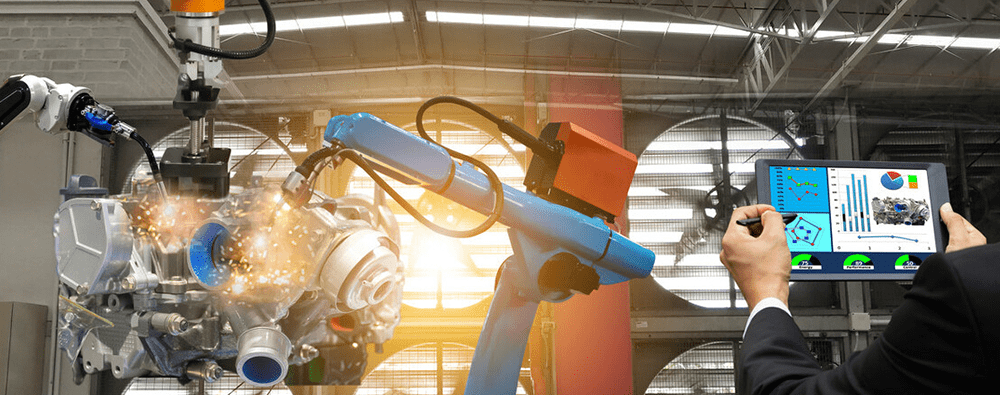
Modern industrial manufacturing is undergoing a massive transformation to adapt to increasingly complex market demands. In this revolution, all-in-one sensors are emerging as a comprehensive aid to industrial production. This article will explore the application of all-in-one sensors in industrial production and how they promote production efficiency, reduce costs, and improve quality.
Multiple Functions of All-in-One Sensors
An all-in-one sensor is a device that integrates multiple sensing functions into a single unit. This means one all-in-one sensor can simultaneously measure and monitor multiple parameters such as temperature, humidity, pressure, vibration, sound, etc. This versatility makes its application in industrial production extremely wide.
1. Quality Control and Testing
Product quality is paramount in industrial production. All-in-one sensors can be used to monitor various quality parameters including dimensions, temperature, humidity, and color. This helps ensure products meet specifications, reduces reject rates, and improves customer satisfaction.
2. Equipment Condition Monitoring
Monitoring the status of factory equipment is vital for production efficiency. All-in-one sensors can be used to monitor equipment temperature, vibration, and sound to detect anomalies. This helps in early detection of equipment failure, reducing downtime and maintenance costs.
3. Energy Management and Conservation
Energy costs account for a large proportion of industrial production. All-in-one sensors can be used to monitor energy consumption, including electricity, gas, and water. Through real-time data collection and analysis, factories can optimize energy use, lower costs, and reduce environmental impact.
4. Automation Control
All-in-one sensors play an important role in industrial automation. They can be used to control production processes, including temperature control, liquid flow control, and robot navigation. This helps improve production efficiency and reduce manual intervention.
5. Safety and Environmental Protection
All-in-one sensors can also be used to monitor hazardous factors in the work environment, such as noise, harmful gases, and chemical substances. This helps ensure employee health and safety while reducing environmental risks for the factory.
6. Data Collection and Analysis
All-in-one sensors not only collect data but also transmit it to computers or the cloud for analysis. This facilitates real-time monitoring and decision-making, improving production efficiency and quality. Through data analysis, factories can identify potential problems and take measures for improvement.

Advantages of All-in-One Sensors
The application of all-in-one sensors brings multiple benefits. First, they reduce equipment complexity because one sensor can replace multiple single-function sensors, lowering maintenance and repair costs. Second, all-in-one sensors provide more comprehensive data, helping to better understand production processes and equipment status, leading to more accurate decisions and higher efficiency.
All-in-one sensors are becoming a comprehensive aid for industrial production. Their versatility and comprehensiveness make them favored in many application areas, from quality control to equipment monitoring, energy management, and automation. By improving efficiency, reducing costs, and enhancing quality, all-in-one sensors are bringing substantial improvements to industrial production. As technology evolves, the application prospects for all-in-one sensors will further expand, bringing more innovation and competitiveness to the manufacturing industry.
