Technical Support:
158-7527-1139

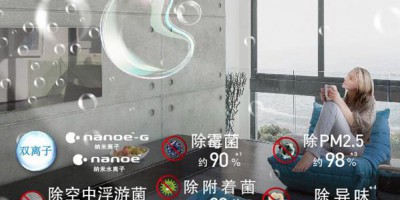
While temp/humidity sensors are standard in ACs, adding dust sensors is a new trend to combat rising urban dust levels and improve indoor health.
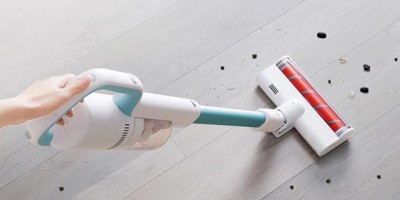
Vacuums use suction to remove dirt from surfaces. They come in various types (regular, powerful, specialized for carpets/furniture) and functions (dry or wet/dry).
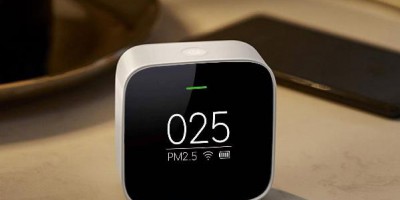
LUFTMY PM2.5 sensors integrate aerodynamics and optoelectronics to detect dust mass concentration. They are the core modules for indoor, urban, and mobile monitoring systems.
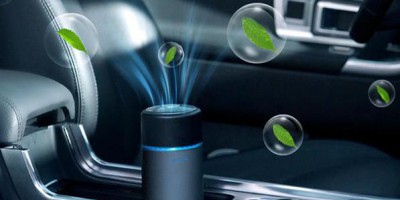
During haze, we use purifiers at home and masks outside, but what about in the car? Clean cars require more than surface tidiness; air cleanliness is vital for health.
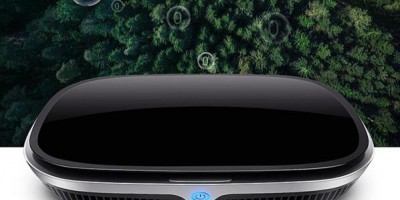
As entry barriers lower, many companies enter the car air purifier market. How should consumers select quality products among the various options?

Do you know where PM2.5 is most serious? Research shows high concentration environments, whether for short or long stays, damage respiratory and cardiovascular health.
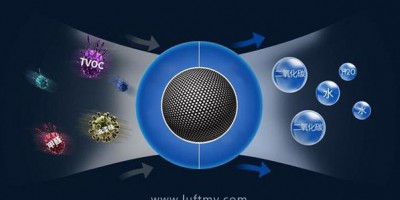
During haze, outdoor pollution leaks inside. Indoor activities like smoking, cooking, and AC use further degrade air quality, causing dizziness and reduced efficiency. PM2.5 sensors help monitor and address this.
Fine particulate matter (PM2.5) is harmful as it enters the lungs and even the bloodstream. Humans breathe 10,000 liters of air daily; pollutants therein inevitably damage health.
Whenever we enter a car in the morning, we often smell a strong odor, indicating the interior air is fully polluted. To have a healthy car interior space, how should we clear in-car air pollution?

Detailed principle: Light is focused into a measuring chamber. As particles pass through, they scatter the light into pulses. These are converted to electrical signals by a photodetector, amplified, and displayed by the counting system.
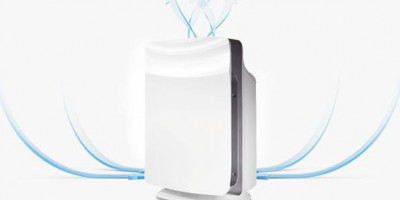
Standard filter structures in purifiers usually feature HEPA + Active Carbon technology. HEPA filters block PM2.5, smoke, and mites, while active carbon absorbs odors, mold, and formaldehyde.
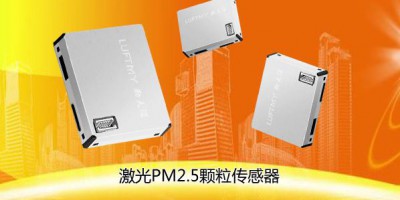
Laser sensors use laser technology for measurement. The LD16 laser scattering particulate sensor (dust detector) developed by Guangzhou LUFTMY integrates aerodynamics and digital signal processing. It is a modern instrument featuring high precision, long-range measurement, and resistance to light and electrical interference.