

Technical Support:
158-7527-1139

Special equipment used for vacuuming dust and dirt from floors, walls, and other flat areas is one of the most common electronic devices in cleaning work. When the vacuum cleaner starts, it generates a powerful suction force, causing dust to be sucked into the dust storage compartment along with the airflow, achieving the goal of cleaning the floor. There are many types of vacuum cleaners. According to the suction power size, there are ordinary types and powerful types; according to the scope of application, there are different types for floor dust, carpet dust, and cleaning furniture dirt; according to the number of functions, there are single-function vacuum cleaners and dual-purpose vacuum cleaners for both dust and water suction.
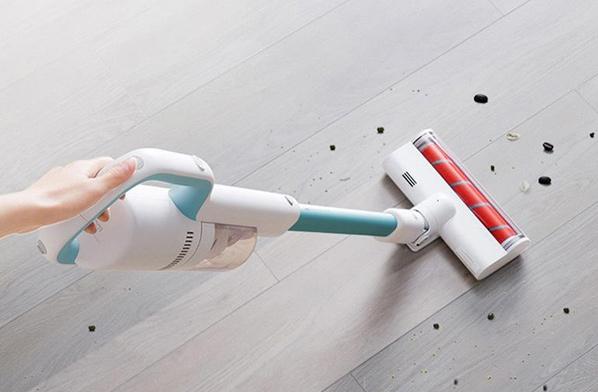
1. Different models and specifications of vacuum cleaners have different structural performances and functional characteristics. Therefore, it is necessary to read the instruction manual carefully before using the purchased vacuum cleaner to prevent damage to the device and danger to life safety caused by improper use.
2. Before use, the hose should be properly connected to the suction inlet of the housing. The hose should be tightly connected to each section of the transfer pipe and the suction nozzle at the end of the transfer pipe, such as furniture brushes, crevice nozzles, floor brushes, etc.
3. Check the power cord for damage to ensure electrical safety.
4. During use, the suction control device can be adjusted as necessary depending on the cleaning occasion. There is a circular hole on the elbow with an adjustment ring. When the adjustment ring covers the hole on the elbow, the suction is at its maximum; when the adjustment ring fully exposes the hole, the suction is at its minimum. Some vacuum cleaners use the method of motor speed regulation to adjust the suction.
5. When vacuuming, ensure that there are no significant paper scraps, nails, glass, or other debris in the cleaning area.
6. The Midea Shenyuan Influence specialty store editor believes that after use, the vacuum cleaner should be stored in a dry place. Storing it in an excessively humid place will negatively affect electrical insulation and service life.
7. Vacuuming should be done sequentially from the inside to the outside.
8. During vacuuming, avoid dragging the vacuum cleaner hose or kicking the vacuum cleaner.
9. After vacuuming, the dust bag should be cleaned promptly. (After dumping the dust and garbage in the dust bag, use another vacuum cleaner to suck the dust bag clean, use a rag to clean the inner cylinder of the vacuum cleaner, and then put the dust bag back in place.)
10. Wipe the outer surface of the machine.
Precautions for using vacuum cleaners:
(1) Avoid sucking up water, nails, glass, etc.
(2) Avoid washing the dust bag with water.
(3) Avoid dragging the vacuum cleaner hose.
The vacuum cleaner is so powerful, how to judge the vacuum cleaner cleanliness?
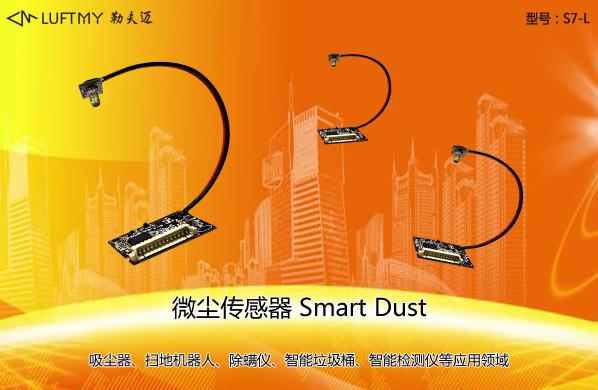
Luftmy has exclusively developed the S7-L Smart Dust sensor for real-time micro-dust perception and cleanliness display of vacuum cleaners. The S7-L cleanliness identification sensor adopts an infrared through-beam working method and is installed in the ventilation ducts of vacuum cleaners, robot vacuum cleaners, and other equipment. The S7-L mite cleanliness detector accurately measures the quantity and concentration data of mites, dust, hair fibers, and other particles, providing real-time display of cleanliness data for floors, carpets, bed sheets, sofas, and car interiors.
The application benefits of Luftmy's S7-L Smart Dust cleanliness detector in vacuum cleaner and robot vacuum cleaner products:
1. The vacuum cleaning effect of the device and the cleanliness of the floor, carpet, bed sheet, etc., are intuitively presented to the user through sensor output data and LED color display;
2. The equipment intelligently controls the motor speed according to sensor data, achieving silent energy saving, power saving, and extending the life of the motor.
