

Technical Support:
158-7527-1139

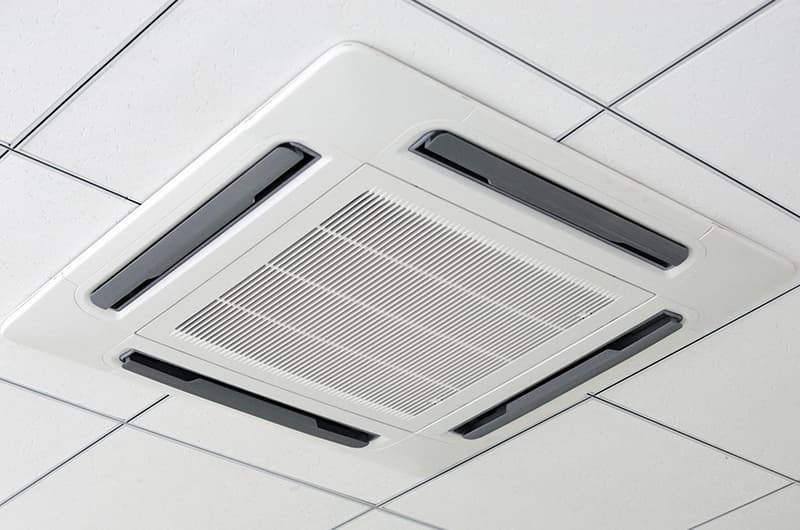
Central air conditioning is an HVAC system that uses refrigerant to circulate between the evaporator and condenser, absorbing indoor heat and discharging it outdoors. To achieve effective control of the air conditioning system, central air conditioning requires the installation of various sensors to collect environmental parameters such as temperature, humidity, pressure, and flow rate.
Types of Central Air Conditioning Sensors
According to the measurement principle of the sensors, central air conditioning sensors can be divided into the following categories:
● Temperature Sensors: These are the most commonly used sensors in central air conditioning, used to measure indoor and outdoor air temperature, water temperature, evaporator temperature, condenser temperature, etc. Temperature sensors mainly include thermocouples, thermal resistors, optical sensors, infrared sensors, etc.
● Humidity Sensors: Used to measure indoor and outdoor air humidity. Humidity sensors mainly include capacitive sensors, resistive sensors, thermal sensors, etc.
● Pressure Sensors: Used to measure the pressure in refrigerant pipelines. Pressure sensors mainly include capacitive sensors, magneto-resistive sensors, resistance strain gauge sensors, etc.
● Flow Sensors: Used to measure refrigerant flow. Flow sensors mainly include vortex flowmeters, ultrasonic flowmeters, electromagnetic flowmeters, etc.
● Other Sensors: There are also some other sensors, such as light sensors, PM2.5 sensors, carbon dioxide sensors, etc., to meet different requirements.
Selection of Central Air Conditioning Sensors
The selection of central air conditioning sensors should consider the following factors:
● Measurement parameters: Select sensors suitable for measuring corresponding parameters according to the specific needs of the AC system.
● Measurement range: The measurement range of the sensor should meet the actual requirements of the AC system.
● Measurement accuracy: The measurement accuracy of the sensor should meet the control requirements of the AC system.
● Response speed: The response speed of the sensor should meet the control requirements of the AC system.
● Reliability: The sensor should have good reliability to meet the long-term operation needs of the air conditioning system.

Application of Central Air Conditioning Sensors
Central air conditioning sensors play an important role in central air conditioning systems, mainly used in the following areas:
● Temperature Control: Adjust the cooling or heating capacity of the air conditioning system according to indoor and outdoor air temperatures to achieve a comfortable indoor temperature.
● Humidity Control: Adjust the dehumidification capacity of the air conditioning system according to indoor air humidity to achieve comfortable indoor humidity.
● Refrigerant Flow Control: Adjust the cooling capacity of the air conditioning system based on refrigerant flow to achieve high-efficiency cooling effects.
● Fault Alarm: When the air conditioning system malfunctions, sensors can send out alarm signals to alert the user for maintenance.
Central air conditioning sensors are essential components of central air conditioning systems, playing a key role in the operation and control of the system. Central air conditioning manufacturers should select appropriate sensors according to the specific needs of the system to ensure stable operation and good comfort.
