Technical Support:
158-7527-1139


Air conditioners are essential air conditioning equipment for modern homes, providing a comfortable indoor environment. However, during use, air conditioners can also inhale pollutants such as dust and bacteria from the air, affecting indoor air quality.
To solve this problem, many air conditioner manufacturers have begun to integrate dust sensors into air conditioners. A dust sensor can monitor the dust concentration in the air in real-time and automatically adjust the operating mode of the air conditioner based on the concentration level, thereby effectively purifying indoor air and protecting people's health.
So, what are the specific benefits of having a built-in dust sensor in an air conditioner?
1. Health Protection
Dust is a major source of air pollution and can cause various health hazards, including respiratory diseases, cardiovascular diseases, and allergic conditions. A built-in dust sensor in an air conditioner helps filter dust from the air and reduce pollution levels, thereby protecting people's health.
2. Enhanced Comfort
Dust can affect the cleanliness and transparency of the air, making indoor air appear turbid and unclear. A built-in dust sensor can effectively remove dust from the air, making indoor air cleaner and more transparent, thus enhancing people's comfort.
3. Energy Efficiency and Power Saving
When an air conditioner is operating, it needs to inhale air for cooling or heating. If the dust concentration in the air is too high, it can lead to a clogged filter, affecting the cooling or heating efficiency of the air conditioner and increasing power consumption. A built-in dust sensor can automatically adjust the airflow of the air conditioner based on the dust concentration, thereby reducing energy consumption.
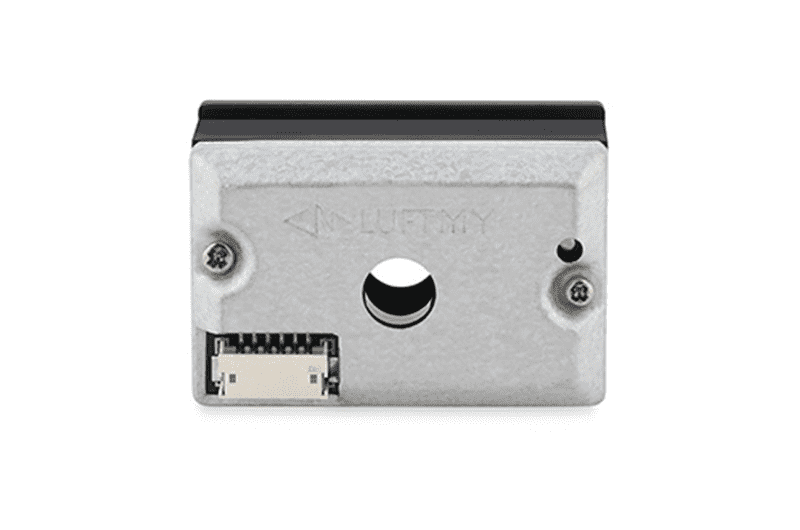
In summary, having a built-in dust sensor in an air conditioner is a very beneficial feature that can effectively purify indoor air, protect people's health, enhance comfort, and save energy.
The following are specific benefits of built-in dust sensors in air conditioners:
● Reduces air pollution and decreases health risks such as respiratory diseases, cardiovascular diseases, and allergic conditions.
● Improves indoor air cleanliness and transparency, making the indoor environment more comfortable.
● Lowers the power consumption of the air conditioner and reduces energy usage.
With the continuous improvement of health and environmental awareness, built-in dust sensors in air conditioners will become a mainstream trend in the future.