

Technical Support:
158-7527-1139

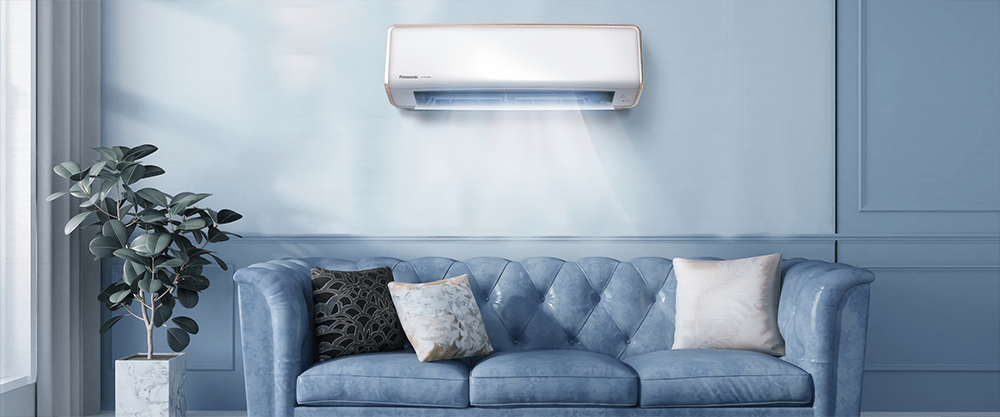
With the continuous development of technology, air conditioners have evolved from simple temperature control devices into truly intelligent systems. At the heart of this intelligent transformation are various sensors, which turn air conditioners from simple cooling machines into technological wonders capable of automatically adapting to the environment. In this article, we will explore how air conditioners would become worthless without these sensors and how they have redefined our lifestyle.
What sensors are found in an air conditioner?
Air conditioner sensors are core components of modern AC systems, allowing them to perceive the indoor environment and make adjustments as needed. Here are some common types of air conditioner sensors and their functions:
1. Temperature Sensors
Temperature sensors are among the most basic sensors, used to measure indoor temperature. Based on data from the temperature sensor, the AC system can automatically adjust cooling or heating modes to maintain the desired temperature.
2. Humidity Sensors
Humidity sensors measure indoor humidity levels, which is vital for providing a comfortable environment. When humidity is too high or too low, the AC system can automatically adjust to provide a more pleasant atmosphere.
3. Air Quality Sensors
Air quality sensors can detect particulate matter, chemicals, and odors in the indoor air. This helps the system automatically adjust to improve indoor air quality, providing a healthier living environment.
4. Occupancy Sensors
Occupancy (human) sensors can detect if anyone is in the room. When no one is present, the AC system can reduce power to save energy, and when someone enters, it can increase cooling or heating efficiency.
What would happen if an air conditioner had no sensors?
Imagine for a moment: if an air conditioner lost its sensors, what would it be? First, it would lose its ability to self-regulate, requiring users to manually set the temperature and fan speed. This would lead to the following problems:
1. Increased Energy Consumption
An air conditioner without sensors cannot intelligently adapt to the indoor environment and might run continuously even when cooling or heating is not needed. This results in wasted energy and high electricity bills.
2. Discomfort
Without the support of temperature and humidity sensors, the AC cannot provide a pleasant environment. Users may feel too cold or too hot, and indoor humidity becomes difficult to control, leading to discomfort.
3. Inability to Adapt to Changes
The indoor environment changes over time and with external weather conditions. An air conditioner without sensors cannot adapt to these changes, requiring constant manual adjustments to meet needs.

What role do sensors on the air conditioner play?
The introduction of sensors has completely transformed the way air conditioners work, making them intelligent, efficient, and comfortable devices. Here is how sensors have redefined some key aspects of air conditioning:
1. Energy Saving
Temperature and humidity sensors can perceive the indoor environment and automatically adjust the working mode of the AC as needed. This means the air conditioner only runs when necessary, saving energy and reducing electricity costs.
2. Comfort
Sensors ensure that indoor temperature and humidity remain within an ideal range, providing a more pleasant environment. Users no longer need to manually adjust the AC; they just set the desired temperature and enjoy the comfort.
3. Intelligent Adaptation
Air conditioner sensors can perceive changes in both indoor and outdoor environments, automatically adjusting to adapt to these changes. For example, when the number of people in the room increases, it can boost cooling or heating efficiency to ensure comfort.
4. Time Saving
Users no longer need to spend time manually adjusting AC settings; sensors handle these tasks automatically. This makes life more convenient and eliminates unnecessary hassles.
The introduction of sensors has completely revolutionized the air conditioner, making it an intelligent, efficient, and comfortable device. Without these sensors, air conditioners would be inefficient, uncomfortable, and require significant manual intervention. Therefore, sensors are key to modern AC systems; they not only improve the quality of life for users but also help reduce energy waste and lower electricity expenses. The magic of sensors has redefined our expectations of air conditioning, turning it into an intelligent technological wonder.
