

Technical Support:
158-7527-1139

Air pollutants harm the human body in many ways, primarily manifested as respiratory diseases and physiological functional disorders, as well as irritation and illness of mucosal tissues such as the eyes and nose. The effects of air pollution on humans can generally be divided into acute and chronic. If a person is exposed to high concentrations of polluted air for a period of time, it immediately causes poisoning or other symptoms. In addition to respiratory and lung diseases, it may also cause damage to the cardiovascular system, such as the liver, and can even take lives; this is an acute hazard.
In most cases, the harm of air pollutants to the human body is slow. When the human body is harmed by pollutants, they slowly accumulate in the body, causing chronic bronchitis, bronchial asthma, emphysema, and lung cancer.
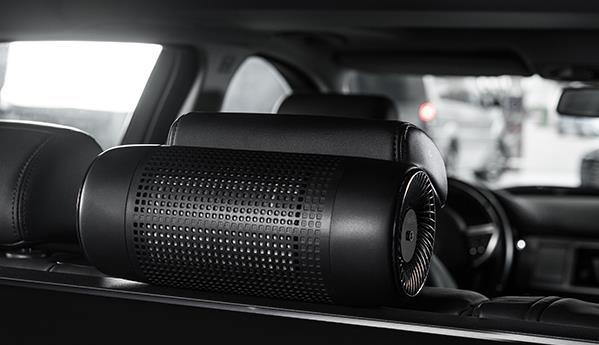
Similarly, poor air quality in cars also threatens people's health. In-car air pollution refers to poor air quality caused by a lack of ventilation, body decorations, etc. Sources of air pollution inside the car mainly come from the vehicle body itself and decorative materials, with toxic substances like formaldehyde, xylene, and benzene having the most serious consequences. In September 2012, a “Healthy Car Test Report” indicated that 11 mainstream models might pose a cancer risk, with carcinogenicity originating from car air quality containing carcinogenic substances.
For newly purchased cars, everyone knows that the smell inside the car is inevitably unpleasant, usually consisting of odors from leather, plastic, and fiber fabrics. Even with perfume, these odors are hard to cover. Furthermore, car perfumes have an impact on health. Some owners who are not accustomed to smoking might smoke inside the car, making the air inside even more chaotic. This not only affects the health of occupants but also causes the seats to absorb a large amount of smoke.
Therefore, it is necessary to use in-car purifiers equipped with PM2.5 sensors and VOC sensors. The PM2.5 and VOC sensors in the purifier can effectively detect some smoke and dust particles in the car and prevent drivers or passengers from inhaling these harmful substances. LUFTMY recommends using the opposed infrared dust sensor HPD05. Overview of LUFTMY PM2.5 sensor:
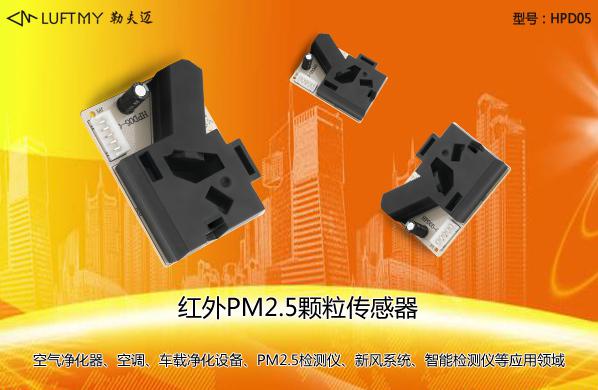
The LUFTMY in-car PM2.5 dust sensor HPD05 infrared particulate sensor is a small module that uses the optical scattering principle to detect dust particles in the air. It features a small size, high detection accuracy, good repeatability, high consistency, real-time response for continuous sampling, and strong anti-interference capability. Each automotive PM sensor is 100% inspected and calibrated before leaving the factory.
The in-car dust sensor HPD05 uses the optical scattering principle to detect dust concentration in the air. The air quality PM2.5 sensor HPD05 product has stable detection capability and high production efficiency, offering dual advantages. The LUFTMY in-car PM2.5 dust sensor HPD05 features small size, high precision, low power consumption, short response time, long service life, and stable operation under high dust concentrations.
