

Technical Support:
158-7527-1139


Double 11 is approaching, and for many, it is one of the most anticipated shopping carnivals of the year. In addition to home appliances and fashion apparel, there is one product that is particularly popular this season: the Air Purifier. Especially in modern cities, air quality has become an increasing concern. In this article, we will discuss how to choose an Air Purifier that suits you and introduce some knowledge related to Sensor technology to help you make informed decisions during the Double 11 shopping spree.
Air Quality: The Key to Buying During Double 11
First, let us be clear: air quality is vital to our health. In urban life, we inevitably come into contact with various pollutants, such as PM2.5, formaldehyde, and volatile organic compounds (VOCs). These pollutants can cause allergic reactions, respiratory diseases, and even serious health problems. Therefore, an efficient Air Purifier can create a clean and healthy living environment indoors.
The Role of Air Purifiers
Air Purifiers purify the air by filtering, adsorbing, and decomposing harmful substances in the air. For particulate matter like allergens, dust, and pollen, mechanical filters are very effective. However, when it comes to gaseous pollutants such as volatile organic compounds (VOCs) and formaldehyde, more complex technology is required. This is where Sensor technology comes into play.
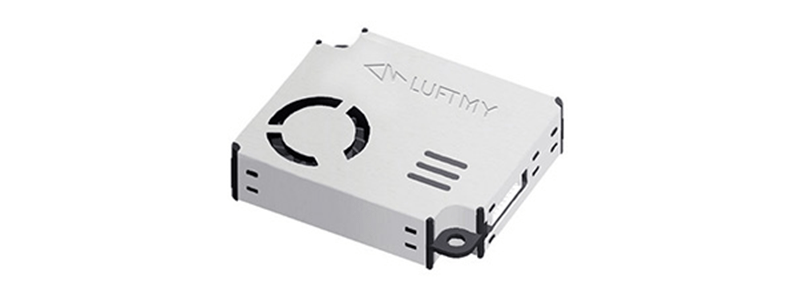
Sensor Technology: Improving Purification Efficiency
Modern Air Purifiers are usually equipped with a variety of sensors to monitor air quality in real-time and automatically adjust working modes to improve purification efficiency. Here are some common types of sensors:
● Particulate Matter Sensors: These sensors can detect tiny particulate matter in the air, such as PM2.5. They help you understand the concentration of particles in the air and adjust the purifier's fan speed accordingly.
● Volatile Organic Compounds (VOCs) Sensors: VOCs are a class of volatile organic compounds that can come from home decor, cleaning agents, and paints. VOC sensors can monitor these pollutants and trigger an appropriate response.
● Formaldehyde Sensors: Formaldehyde is a common indoor pollutant that can come from new furniture, building materials, etc. Formaldehyde sensors can detect formaldehyde concentrations, ensuring your purifier effectively removes this harmful substance.
● Humidity and Temperature Sensors: Humidity and temperature also have an important impact on indoor air quality. These sensors help maintain appropriate humidity and temperature levels.

How to Choose the Right Air Purifier for You
When shopping for an Air Purifier during Double 11, consider these key factors:
1. Room Size: Choose a purifier that fits the size of your room. Check the product specifications for the applicable square footage range.
2. Filtration Efficiency: Check the purifier's filtration efficiency, especially its ability to handle particulate matter and gaseous pollutants.
3. Sensor Technology: Choose a purifier equipped with multiple sensors to enhance air quality monitoring and purification efficiency.
4. Filter Replacement Cost: Understand the cost and frequency of filter replacements to avoid unnecessary expenses.
5. Noise Level: For purifiers used in bedrooms, consider the noise level to ensure your sleep is not disturbed.
6. Energy Efficiency: Check the energy consumption of the purifier to reduce long-term operating costs.
7. Brand Reputation: Choose purifiers from well-known brands to ensure product quality and after-sales service.
The Double 11 shopping season is an excellent time to buy an Air Purifier. However, before purchasing, be sure to understand your needs and select the Air Purifier that suits you. Consider space size, allergens, filtration technology, extra features, user reviews, and brand reputation to ensure your investment helps improve indoor air quality and quality of life. We hope you find the perfect Air Purifier during the Double 11 shopping season and enjoy a fresh and healthy indoor environment.
