

Technical Support:
158-7527-1139

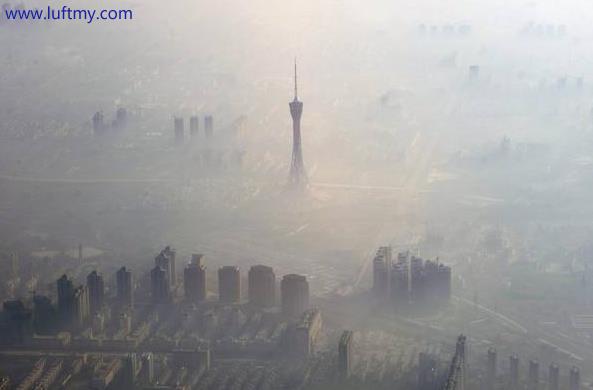
Clean atmosphere is one of the necessary conditions for human survival. A person can maintain life without eating for five weeks or without drinking water for 5 days, but will die if they do not breathe air for more than 5 minutes. Air is closely related to human survival, directly participating in processes such as gas metabolism, substance metabolism, and body temperature regulation. Luftmy editor learned that a person breathes about 10,000 liters of air every day, which is about 12.9kg in mass, approximately 10 times the amount of food and water required daily. With the rapid development of modern industry and transportation, the emission of smoke, dust, and automobile exhaust has exceeded the self-purification limit of the atmosphere. What follows is a very serious problem——atmospheric pollution. Pollutants that have a major impact on atmospheric pollution include: sulfur oxides, nitrogen oxides, hydrocarbons, carbon oxides, dust, etc.
Hazards of several atmospheric pollutants to the human body:
Dust: Injuries to the eyes, reduced visual range, chronic bronchitis, childhood asthma, and pneumoconiosis, increased mortality, reduced visibility, and increased traffic accidents;
Sulfur dioxide: Reduced visual range, tearing, eye inflammation. Smelling odors, chest tightness, respiratory tract inflammation, difficulty breathing, pulmonary edema, and rapid death by suffocation;
Hydrogen sulfide: Foul odor, nausea, vomiting, affecting human respiration, blood circulation, endocrine, digestive, and nervous systems, coma, and death by poisoning;
Fluorine and hydrogen fluoride: Strongly irritate the eyes, nasal cavity, and respiratory tract, causing bronchitis, pulmonary edema, fluorosis, and mottled enamel;
Chlorine and hydrogen chloride: Irritate the eyes and upper respiratory tract, causing toxic pulmonary edema in severe cases;
Nitrogen oxides: Smelling odors, bronchitis, tracheitis, pulmonary edema, emphysema, difficulty breathing, and even death;
Photochemical smog: Red and painful eyes, weakened vision, headache, chest pain, general pain, paralysis, pulmonary edema, and death within 1 hour in severe cases;
Hydrocarbons: Skin and liver damage, death from cancer;
Lead: Neurasthenia, abdominal discomfort, constipation, anemia, and poor memory;
Carbon monoxide: Dizziness, headache, anemia, myocardial damage, central nervous system paralysis, difficulty breathing, and death within 1 hour in severe cases;
What is the function of air quality sensors?
Currently, various air quality sensors have been widely used in air quality detection instruments and air purification devices such as air purifiers. Luftmy professionally provides air quality sensors, including infrared dust sensors and laser PM2.5 sensors. They feature long life, multiple serial port outputs, strong anti-interference ability, high quality and precision, low power consumption, and affordable prices. Welcome customers to call for consultation.
