

Technical Support:
158-7527-1139

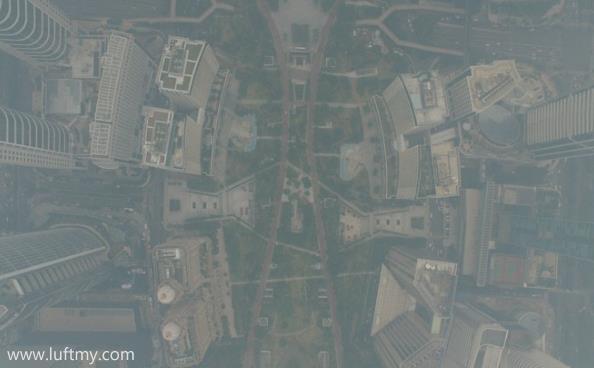
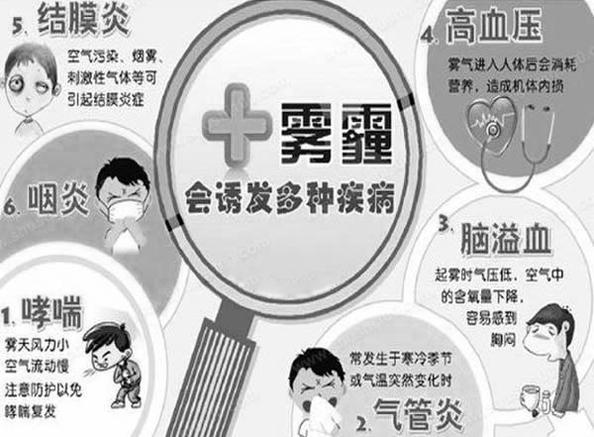
In the environment we live in, a large amount of particulate matter floats in the air at all times. These are called Total Suspended Particulates (TSP), which are the main components of air pollutants. Within TSP, particles with a diameter of less than 10 micrometers are usually called PM10, also known as inhalable particulate matter or floating dust. PM10 can be inhaled into the respiratory tract, causing harm and significantly affecting human health and atmospheric visibility. PM10 mainly comes from dust raised by wind or pollen emitted by plants. Having understood the concept of PM10, PM2.5 is easy to understand. PM2.5 refers to particles with a diameter of less than 2.5 micrometers in total suspended particulate matter (TSP), also known as lung-penetrating particulate matter. It mainly comes from the combustion of fossil fuels, such as vehicle exhaust, coal burning, and volatile organic compounds. Compared with PM10, PM2.5 is much more hazardous. Environmental science research shows that compared with PM10, PM2.5 is richer in toxic and harmful substances, has a longer residence time in the atmosphere, and can be transported over longer distances, thus having a greater impact on human health and atmospheric environmental quality. More seriously, particles with a diameter above 2.5 micrometers can be blocked by the nose, respiratory mucosa, and other organs during human breathing, thereby being discharged from the body. Luftmy editor learned that because the diameter of PM2.5 particles is extremely small—only about 1/20 of a human hair—they can directly penetrate human organs and enter the lungs, triggering diseases including asthma, bronchitis, and cardiovascular diseases.
Since PM2.5 has many hazards, we should take measures to protect ourselves personally. We can take the following measures:
1. Wear PM2.5 masks: PM2.5 masks can not only prevent dust and PM2.5, but their fabric uses Cleancool fiber, which can kill "superbugs" that even antibiotics cannot kill. During continuous breathing, PM2.5 particles mixed with a large amount of pathogenic bacteria are inhaled and directly harm human health. Using masks is undoubtedly an effective solution to both dust and disease prevention, especially on the way to and from work, in subway stations, and in high-density areas.
2. Reduce smoking or even stop smoking: Smoke contains a large amount of PM2.5, which causes direct and indirect harm to the human body. If you cannot stop people around you from smoking, you should stay away from the smoke as much as possible.
3. Do not exercise outdoors on foggy days: PM2.5 is one of the main culprits of heavy fog. Therefore, when you wake up and find heavy fog, you should not go out for morning exercise. If you must exercise, it is recommended to wear a mask that truly prevents PM2.5 for low-intensity morning exercise like jogging or trotting.
Here, what PM2.5 and PM10 sensors does Guangzhou Luftmy provide for smart homes? What are the available dust sensors?
Currently, the PM2.5 sensors developed and produced by Luftmy include infrared PM2.5 sensors and laser dust sensors. For example, the popular HPD05 infrared dust sensor can maintain normal operation under high concentrations in harsh environments; the widely acclaimed LD series laser PM2.5 sensors, represented by LD09; and the S7 micro-dust sensor, specifically developed for dust cleanliness data in smart home sweepers and vacuum cleaners.
The high-precision infrared dust sensor GDS06 utilizes the principle of optical scattering to measure the dust concentration within the detection range through the conversion of optical paths and circuits. The Luftmy infrared dust sensor module GDS06 features small size, high precision, low power consumption, short response time, and stable operation under high dust concentrations. This infrared dust sensor can be used in air purifiers, air conditioners with purification functions, PM2.5 detectors, etc.
The LD09 high-precision laser dust sensor is based on the Laser Mie scattering theory. It can continuously collect and calculate the concentration distribution of particulate matter and output it in the form of a universal digital interface. The laser dust particle sensor LD09 has the characteristics of small size, high precision, strong anti-interference ability, low power consumption, long life, zero error alarm rate, and short response time. The Luftmy laser dust particle sensor LD09 can be embedded in various instruments or environmental improvement equipment related to the concentration of suspended particulate matter in the air, providing timely and accurate concentration data.
The S7-L Smart Dust particle sensor utilizes the optical transmission principle. The cleanliness particle sensor S7-L can accurately detect the number and concentration of particles in the ventilation ducts of equipment such as vacuum cleaner handles or extension poles, sweeping robots, range hoods, and particle detection instruments. Application benefits of the Luftmy S7-L Smart Dust sensor in vacuum cleaners and sweeping robots: the dust cleaning effect of the equipment and the cleanliness of floors, carpets, bed sheets, etc., are intuitively presented to the user through sensor output data and LED color displays; the device intelligently controls the motor speed based on sensor data to achieve quiet operation, energy saving, and extended motor life.
