

Technical Support:
158-7527-1139

Good sleep is essential for our health and happiness; however, indoor dust may affect our sleep quality. Fortunately, air purifiers can help us solve this problem. This article will introduce the impact of indoor dust on sleep, and how air purifiers can improve indoor air quality and enhance our sleep quality.
The impact of indoor dust on sleep
Indoor dust is composed of dust, pollen, pet dander, bacteria, and other tiny particulate matter. They float in the air and are inhaled into our bodies. Indoor dust affects sleep in several ways:
● Respiratory issues: Inhaling dust can cause respiratory allergic reactions, leading to nasal congestion, sneezing, and coughing, affecting sleep onset and sleep quality.
● Allergic reactions: Allergens in indoor dust can trigger allergic reactions such as allergic rhinitis and asthma, aggravating sleep problems.
● Discomfort and itching: Tiny particles in dust can cause discomfort and itching on the skin, interfering with sleep onset and sleep continuity.
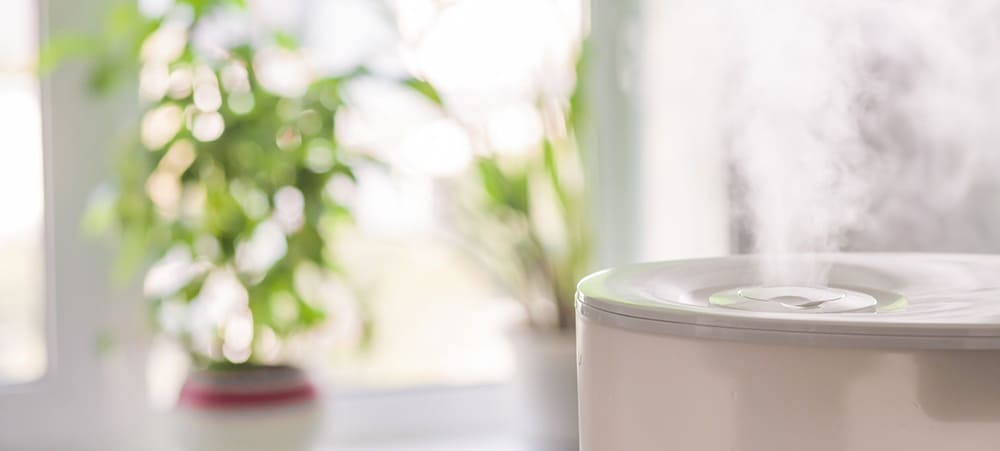
Air purifiers improve indoor air quality
An air purifier is a device that can filter and purify pollutants in the air. Through built-in sensors and advanced filtration technology, they can effectively improve indoor air quality, thereby enhancing sleep quality. Here are the main functions and advantages of air purifiers:
● Air filtration: The filtration system inside the air purifier can capture and remove dust, pollen, bacteria, and other pollutants from the air, making indoor air fresher and cleaner.
● Activated carbon adsorption: Some air purifiers are equipped with activated carbon filter layers, which can adsorb volatile organic compounds (VOCs) and odors, providing a fresher air environment.
● HEPA filtration technology: High-Efficiency Particulate Air (HEPA) filters are an efficient filtration technology that can capture tiny particles like dust, pollen, and bacteria. It can filter 99.97% of particles in the air, providing a healthier indoor environment.
● Smart sensors: Some air purifiers feature smart sensors that can monitor indoor air quality in real-time and automatically adjust the working mode to ensure continuous air purification.
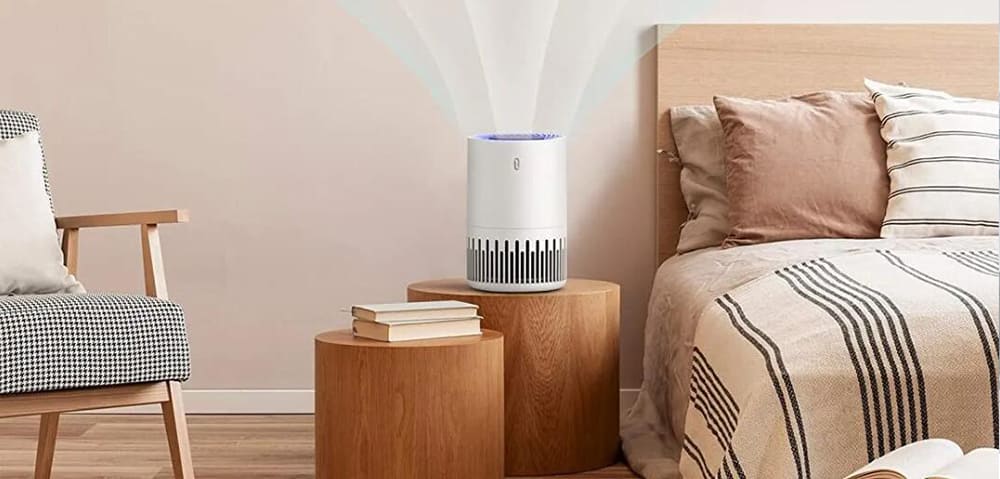
How air purifiers improve sleep quality
By using an air purifier to improve indoor air quality, we can enjoy the following benefits, thereby improving sleep quality:
● Reduce allergic reactions: Air purifiers can filter allergens in the air, reducing the occurrence of allergic reactions such as nasal congestion, coughing, and difficulty breathing, helping us fall asleep better and maintain sleep.
● Provide fresh air: Purified air is fresher and cleaner, free from the interference of odors and pollutants, creating a comfortable sleeping environment.
● Reduce respiratory problems: Air purifiers can remove dust and bacteria from the air, reducing the irritation of inhaled particles to the respiratory tract, improving breathing quality, and facilitating deep sleep.
● Lower itching and discomfort: By filtering tiny particles in the air, air purifiers can reduce discomfort and itching on the skin, helping us fall asleep better and maintain sleep continuity.
Indoor dust has an undeniable impact on sleep quality, while air purifiers are effective tools for improving indoor air quality and enhancing sleep quality. Through built-in sensors and advanced filtration technology, air purifiers can remove dust, pollen, bacteria, and other pollutants from the air, creating a fresh and clean sleep environment. Choose a suitable air purifier to let it become the guardian of your sleep quality and provide you with a healthy and comfortable sleep experience.
