Technical Support:
158-7527-1139

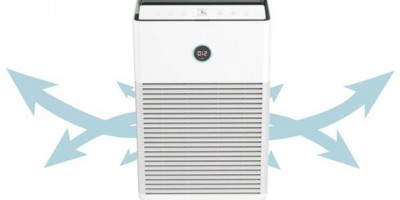
The "winter" of the air purifier industry has not yet passed. While the market grew wildly years ago due to severe haze, it is now entering a period of adjustment. Despite the slowdown, PM2.5 sensors have transitioned from premium features to standard components across most models.
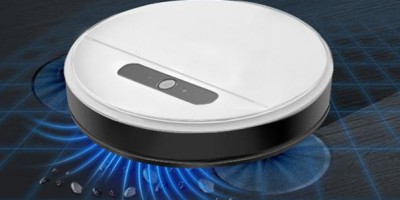
With the advancement of computer technology and AI, intelligent robotics has become a research hotspot. Cleaning robots have become an essential household appliance for many, solving the exhausting problem of cleaning up after home renovations or daily maintenance.
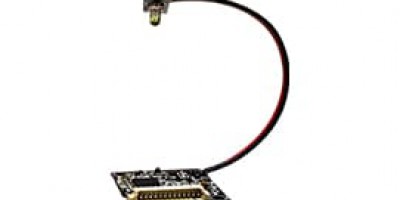
Dust sensors use optical methods to measure the characteristics of tiny particles suspended in gas or liquid media. They feature non-contact measurement and do not disturb the target object. They are widely used in atmospheric measurement, fire safety, and industrial dust removal efficiency monitoring.

Clean air is a basic necessity for human survival. While one can survive weeks without food, life ends in minutes without air. With rapid industrial and traffic development, emissions often exceed the atmosphere’s self-purification limits, leading to severe pollution. Key pollutants include sulfur oxides, nitrogen oxides, and dust particulates.

In our environment, a large amount of particulate matter floats in the air at all times, known as Total Suspended Particulates (TSP). Within TSP, particles with a diameter below 10 microns are called PM10, or inhalable particles. These can enter the respiratory tract, posing significant risks to human health and affecting atmospheric visibility.
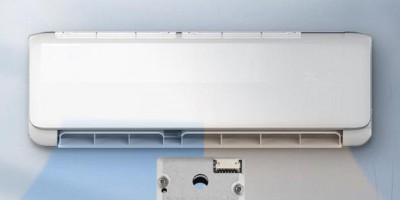
Air conditioning is indispensable for heat relief, but how many people think about regular cleaning and disinfection? Without it, air conditioners can blow out invisible bacteria and fungi, even causing white rice to mold within 72 hours. Modern smart units now integrate PM2.5 sensors to address these hidden air quality concerns.
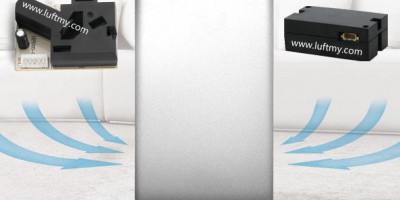
When looking into smart air purifiers, there is significant debate regarding the dust sensors used for intelligent detection. Both types seem to have their own advantages. The Luftmy editor consulted industry experts to clarify the differences between infrared and laser PM2.5 sensor modules and how to identify them.
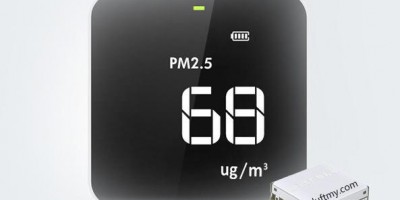
Indoor air may look clean, but is it? Luftmy notes that it contains harmful substances like SO2, NOx, and especially PM2.5. These small, active particles stay airborne for long periods and impact health. This article introduces the application of Luftmy PM2.5 sensors in portable detectors.
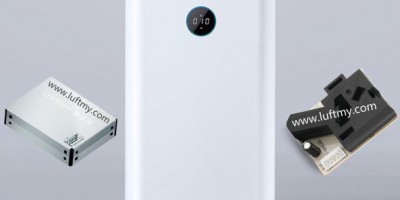
Luftmy, a particle sensor module manufacturer, produces sensors that help users monitor harmful pollutants like dust, soot, and smoke. These laser sensors are widely used in HVAC equipment and air purifiers for homes, buildings, and public areas.
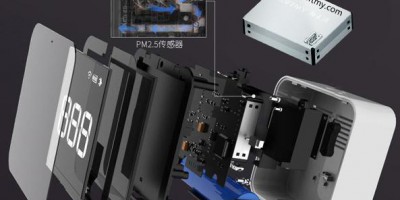
Experimental tests at an environmental station show that smoking significantly increases PM2.5 levels. In a 2-square-meter elevator, initial PM2.5 was 81.3 µg/m³. Within 10 seconds of lighting a cigarette, the level spiked to 999 µg/m³, a tenfold increase.

As living standards improve, attention to air quality grows, especially with winter smog approaching. PM2.5 is a major component of haze. Luftmy notes that PM2.5 detection mainly uses two technologies: infrared and laser dust sensors.
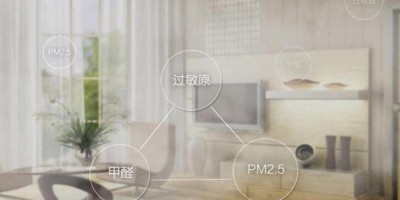
Smart homes bring life closer to nature. Compared to ordinary homes, they offer full information interaction, helping families stay connected and optimizing lifestyle and safety.