Technical Support:
158-7527-1139

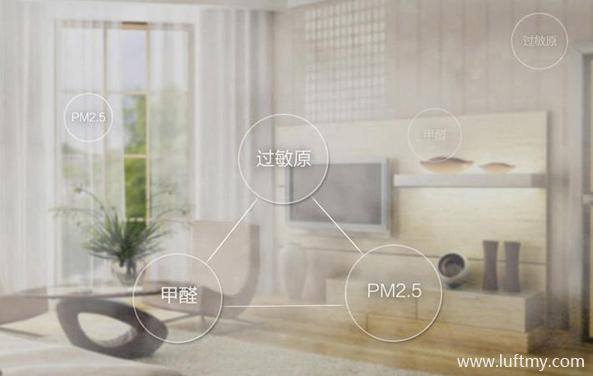
Smart homes bring life closer to nature. Compared with ordinary homes, smart homes not only possess traditional living functions but also provide comprehensive information interaction capabilities. This helps families maintain smooth information exchange with the outside world, optimizes people's lifestyles, and enhances the security of home life.
For example, ventilating on severe haze days not only fails to exhaust indoor air pollutants but instead allows outdoor PM2.5 to enter. The environmental monitoring and control functions of smart homes equipped with high-precision dust sensors and other sensors can effectively regulate the indoor living environment. Through air quality sensors, they actively filter harmful substances such as bacteria, viruses, and PM2.5 in the air, thereby improving air quality.
With the explosion of the mobile internet, smart homes have gradually moved from original concepts to implementation, truly taking up the banner of green life.
In recent years, people's requirements for home life have not been limited to comfort and practicality but also the pursuit of environmental protection, health, safety, and energy saving. The concept of domestic smart homes was proposed around 2000. However, due to high costs of installation and after-sales service, as well as issues with interconnection maturity, smart homes remained in the conceptual stage and did not truly enter people's lives.

As consumer internet awareness awakened, the popularity of smartphones cultivated the habit of users controlling their homes via phones and tablets. Through the internet, smart homes have truly moved from concept into people's lives. In 2013, various smart home individual products flourished. Google's acquisition of Nest further ignited the popularity of smart homes. The intervention of smart innovative products and internet companies has caused the costs of purchasing, installation, use, and after-sales of smart homes to drop rapidly.
As the price bottleneck restricting the popularity of smart homes is gradually broken, smart homes are no longer out of reach for ordinary people. Smart homes are also moving from initial "cool" requirements to true safety, health, comfort, efficiency, energy saving, and environmental protection.
Smart homes are taking up the green life banner and represent the next massive market with trillions of market space. As an emerging industry, its boundaries are constantly expanding, and the market scale is dynamically swelling.
Smart homes have also truly realized low-carbon energy saving in life. For example, after household appliances stop working, the power can be automatically cut off. It can achieve lights turning on when people come and off when they leave, and can also adjust the power of light sources according to changes in natural light intensity.