

Technical Support:
158-7527-1139


Haze is common in cities. It results from climate conditions and human activities. High population densities emit large amounts of fine particles (PM2.5). When emissions exceed atmospheric capacity, concentrations build up. How can sensors help prevent exposure to these particles?

Known as the "World's Factory," China's economy grew rapidly, but environmental pollution followed. Industrial waste damages ecosystems and human health. Consequently, authorities value environmental monitoring. Air quality modules can be used for this purpose.
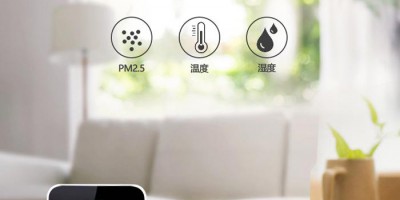
Sensors are embedded in various instruments for different fields. Both dust detectors and particle counters use laser scattering to detect particulates. What is the difference between them?
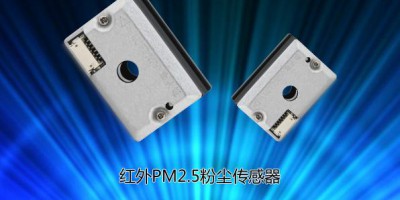
A gas sensor is a device that converts gas composition and concentration into information usable by humans or computers. These include semiconductor, electrochemical, catalytic combustion, thermal conductivity, infrared, and solid electrolyte types. They have wide applications in life.

With 5G and IoT, smart homes are part of daily life. Smart locks, appliances, and audio-visual systems are popular. All rely on sensors. While some people lack a concept of them, they are closely related to our lives. Which ones are typically needed?
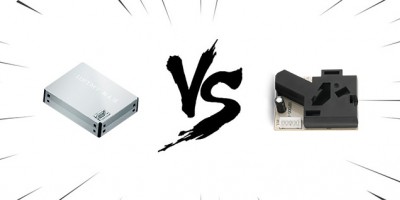
Air purifiers display air quality via lights or values during operation. This is achieved through PM2.5 sensors. Common types are infrared and laser. Which one should be chosen for an air purifier?
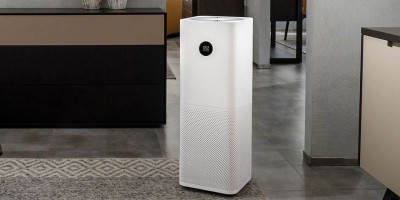
Air pollution damages the respiratory tract and affects health. Especially in cities with frequent air issues, people keep an air purifier at home. Sensors are indispensable accessories in them. What exactly do they do?

Anyone who has worked in a factory knows that workers wear masks for protection because most factories produce dust during production. To protect worker health and product quality, most factories now install PM2.5 sensors to monitor harmful particulates.
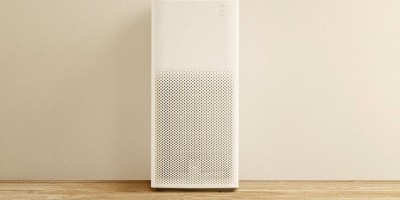
With the rapid development of industrialization and the increase in vehicles, urban environments are gradually affected, leading to rising PM2.5 concentrations and frequent hazy weather. The primary task in addressing haze pollution and improving air quality is controlling PM2.5. Modern weather forecasts monitor PM2.5 concentrations to remind everyone of protection. When indoor air is polluted, many choose air purifiers. The dust sensor is an extremely important component of these machines. What role does it play?

Smart dust refers to ultra-miniature sensors with computer functions that can detect various surrounding environmental parameters, collect large amounts of data, perform appropriate calculations, and then use two-way wireless communication devices to transmit this information between smart dust devices at distances of up to 1,000 feet. In which fields are smart dust sensors applied? Today, smart dust sensors are already being used in medical, military, and environmental monitoring fields.
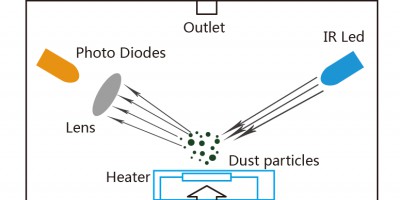
The term "photoelectric sensor" may sound unfamiliar, but with the rapid development of technology, smart devices are everywhere in life. The components of these devices cannot do without sensors, and photoelectric sensors are one of the most widely used types. Examples include barcode scanning at supermarket checkouts, monitoring air PM2.5 data, and smoke alarms in public places. After the COVID-19 outbreak, forehead thermometers used for rapid temperature detection also utilize photoelectric sensors. So, what are the working principles and characteristics of photoelectric sensors?

In spring, everything revives, and various flowers compete for beauty. Many flower lovers visit parks and scenic spots, but for those with pollen allergies, this season requires great caution. Every spring, the number of people seeking medical treatment for pollen allergies increases significantly. Dust sensors are used to monitor pollen concentrations in spring, helping allergy sufferers effectively avoid areas with high pollen levels.
