

Technical Support:
158-7527-1139

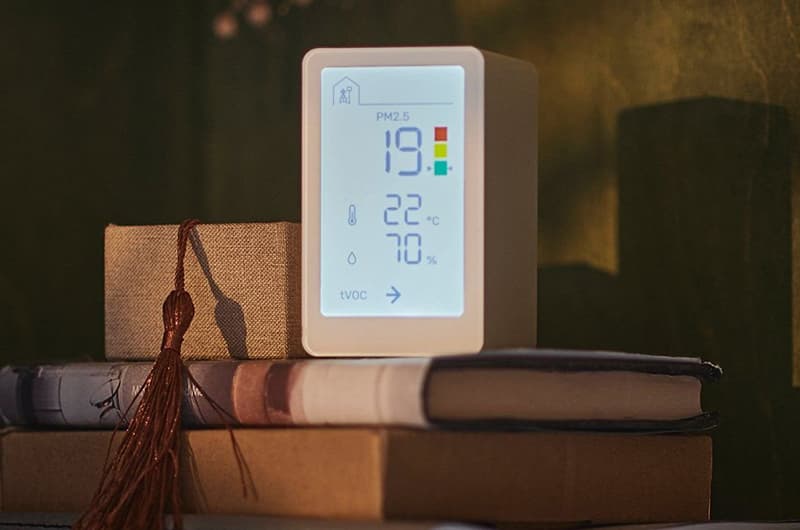
PM2.5 is a type of particulate matter with a diameter less than or equal to 2.5 micrometers. It can enter the human body through the respiratory tract and cause serious impacts on human health. Indoor air quality refers to the impact of various pollutants in indoor air on human health and comfort. PM2.5 is one of the important pollutants of indoor air quality.
PM2.5 sensor is a type of sensor that can detect the concentration of PM2.5. It can measure the concentration of PM2.5 through principles such as light scattering and laser scattering. PM2.5 sensors have important application value in indoor air quality monitoring.
PM2.5 sensors can be used for real-time monitoring of indoor air quality. Through the monitoring of PM2.5 sensors, the indoor air quality status can be understood in a timely manner, providing a basis for taking corresponding measures. For example, when the PM2.5 concentration exceeds the standard, an air purifier can be turned on or windows can be opened for ventilation in time to improve indoor air quality.
PM2.5 sensors can also be used for indoor air quality research. Through the monitoring of PM2.5 sensors, a large amount of indoor air quality data can be collected, providing data support for in-depth research on the causes and effects of indoor air pollution.
The application of PM2.5 sensors in indoor air quality monitoring is still in its infancy. With the continuous development of PM2.5 sensor technology, PM2.5 sensors will play an increasingly important role in indoor air quality monitoring.
Specifically, the application of PM2.5 sensors in indoor air quality monitoring is mainly reflected in the following aspects:
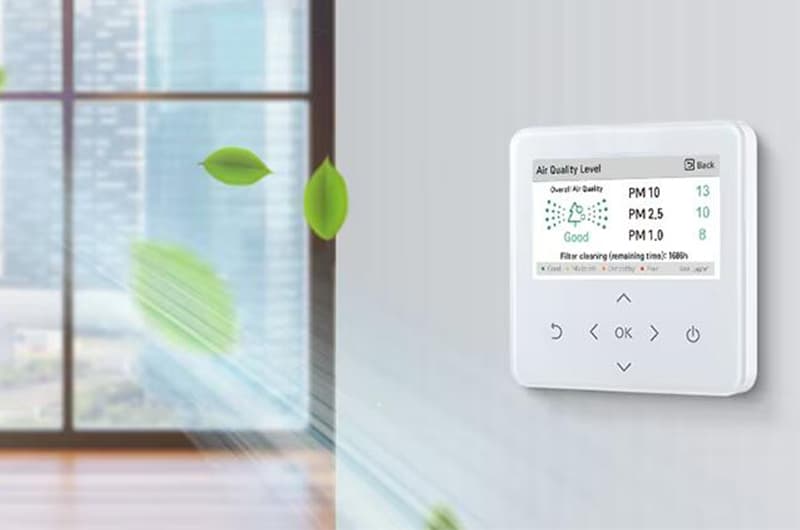
▶ Real-time monitoring of indoor air quality
PM2.5 sensors can monitor indoor air quality in real-time, providing people with timely and accurate indoor air quality information. This is of great significance for people to understand indoor air quality conditions and take corresponding measures to improve indoor air quality.
▶ Researching the causes and effects of indoor air pollution
Through the monitoring of PM2.5 sensors, a large amount of indoor air quality data can be collected, providing data support for in-depth research on the causes and effects of indoor air pollution. This is of great significance for formulating effective measures to prevent and control indoor air pollution.
▶ Improving indoor air quality management levels
The application of PM2.5 sensors can help people better manage indoor air quality and improve indoor air quality management levels. For example, PM2.5 sensors can be used to evaluate indoor air quality, identify indoor air pollution sources, and control indoor air purifiers, etc.
In summary, PM2.5 sensors have important application value in indoor air quality monitoring. With the continuous development of PM2.5 sensor technology, the application of PM2.5 sensors in indoor air quality monitoring will become even more widespread.
