

Technical Support:
158-7527-1139


The human body produces different physiological reactions under different environmental temperature and humidity. Temperatures that are too high or too low will cause discomfort to the human body, while a suitable temperature and humidity environment can maintain a comfortable state for the human body, improving work efficiency and quality of life.
The Most Suitable Temperature and Humidity Environment for the Human Body
According to numerous studies, the most suitable temperature and humidity environment for the human body is:
● Indoor Temperature: 18°C-24°C
● Indoor Humidity: 50%-60%
In such an environment, the human body can maintain a constant body temperature through sweating and heat dissipation without feeling dry or damp.
The Impact of Temperature and Humidity on the Human Body
The impact of temperature on the human body is mainly reflected in the following aspects:
● Temperature Regulation: The human body regulates temperature through sweating and heat dissipation. Excessive temperature causes the body to sweat too much, leading to fluid loss, which causes symptoms like dehydration and heatstroke; temperatures that are too low lead to insufficient heat dissipation, causing body temperature to drop, which results in illnesses such as colds and influenza.
● Metabolism: Temperature affects the rate of human metabolism. Excessive temperatures accelerate metabolism, thereby consuming more energy; temperatures that are too low slow down metabolism, thus affecting the normal operation of body functions.
● Work Efficiency: Temperature affects a person's attention span, reaction speed, and work efficiency. Temperatures that are too high or too low will make people feel fatigued and unable to concentrate, thereby reducing work efficiency.
The impact of humidity on the human body is mainly reflected in the following aspects:
● Skin: Humidity that is too low will make the skin dry and itchy, or even cause skin diseases; humidity that is too high will make the skin damp and sweltering, thereby breeding bacteria.
● Respiratory Tract: Humidity that is too low dries out the respiratory tract, causing symptoms like coughing and a dry throat; humidity that is too high leads to the growth of bacteria and viruses in the air, thereby increasing the risk of respiratory diseases.
● Sleep: Humidity that is too low can make a person feel a dry mouth and nasal cavity, thus affecting sleep quality; humidity that is too high will make a person feel sweltering and find it difficult to fall asleep.
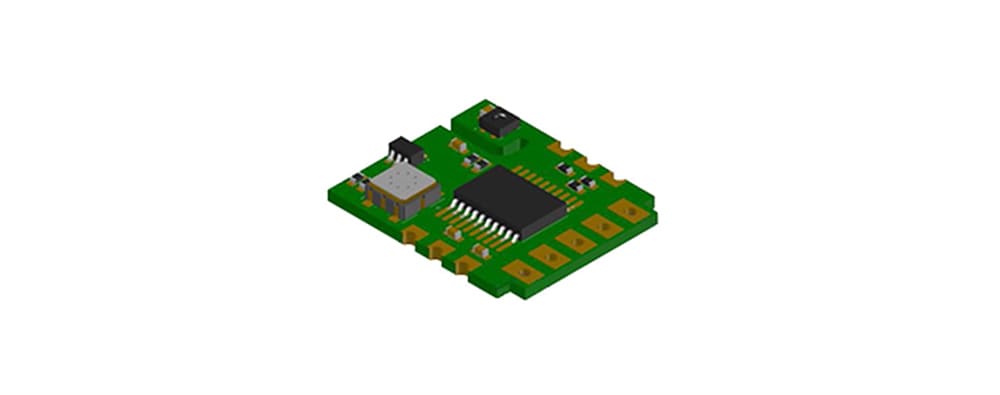
Furthermore, a temperature and humidity sensor is a sensor capable of measuring temperature and humidity. It consists of a temperature sensor and a humidity sensor and can be used to monitor environmental temperature and humidity and adjust them as needed. It is widely applied in household appliances like air conditioners and heaters, temperature and humidity control in industrial production, and environmental monitoring in fields such as healthcare and agriculture. It can help us monitor the environmental temperature and humidity and adjust them according to needs, thereby creating a more comfortable environment for us.
