

Technical Support:
158-7527-1139

With the increasing focus on health and comfortable environments, indoor environmental monitors have become increasingly important tools. These instruments are equipped with various sensors that provide a variety of data about the indoor environment. This article will reveal what data indoor environmental monitors can detect and the importance of this data.

Indoor air quality monitoring
A primary function of an indoor environmental monitor is to monitor indoor air quality. It can measure several indicators, including:
● Temperature and Humidity: Sensors can accurately measure indoor temperature and humidity levels, helping us create a comfortable living environment.
● CO2 concentration: High concentrations of carbon dioxide can lead to problems such as dizziness, fatigue, and poor concentration. Sensors can monitor indoor CO2 concentration and remind us to ventilate in a timely manner.
● TVOC: Volatile Organic Compounds (TVOCs) are a class of pollutants in indoor air, with sources including furniture, carpets, and cleaning products. Sensors can detect TVOC levels, helping us identify potential air pollution issues.
Noise Level Monitoring
Indoor environmental monitors are also typically equipped with noise sensors to monitor indoor noise levels. Noise has a significant impact on our health and sleep quality. By monitoring noise levels, we can take measures to reduce noise interference and create a quieter indoor environment.
Light Intensity Monitoring
Indoor environmental monitors can also detect indoor light intensity. Light affects our mood, circadian rhythm, and visual health. Sensors can help us understand indoor lighting levels so that lighting adjustments can be made as needed.
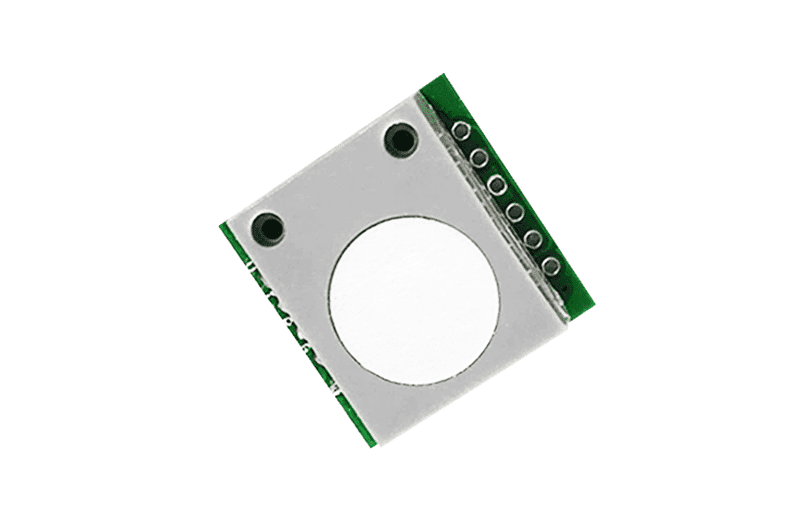
Other Data Monitoring
In addition to the main indicators mentioned above, indoor environmental monitors can also monitor other data, such as:
● PM2.5 and PM10: These are indicators of fine particulate matter in the air, which have potential hazards to our respiratory system. Sensors can measure the concentration of these particles.
● Formaldehyde: Formaldehyde is a common indoor pollutant with sources including furniture and decoration materials. Sensors can detect indoor formaldehyde levels, helping us maintain a healthy indoor environment.
Indoor environmental monitors, by integrating various sensors, can provide a variety of data about the indoor environment. From indoor air quality to temperature and humidity, noise levels, and light intensity, this data is vital for our health and comfort. Understanding real-time data of the indoor environment can help us take appropriate measures to maintain a good indoor environment. Indoor environmental monitors have become important tools for us to monitor and improve the indoor environment, helping us create a healthier and more comfortable living space.
