

Technical Support:
158-7527-1139

Temperature and humidity are important factors affecting people's lives and production. Temperatures that are too high or too low can affect health, and humidity that is too high or too low also affects comfort. Therefore, the detection and monitoring of temperature and humidity are of great significance.
Temperature and humidity sensors are used to detect temperature and humidity. According to their working principles, temperature and humidity sensors can be divided into the following categories:
● Thermistor Sensors: Utilize the temperature characteristics of thermistor materials to achieve temperature measurement.
● Capacitive Sensors: Utilize the relationship between the dielectric constant of a capacitor and temperature to achieve temperature measurement.
● Resistive Sensors: Utilize the relationship between the resistance value of a resistor and temperature to achieve temperature measurement.
● Optical Sensors: Utilize the relationship between optical properties and temperature to achieve temperature measurement.
● Hygroscopic Sensors: Utilize the humidity characteristics of hygroscopic materials to achieve humidity measurement.
● Capacitive Sensors: Utilize the relationship between the dielectric constant of a capacitor and humidity to achieve humidity measurement.
● Resistive Sensors: Utilize the relationship between the resistance value of a resistor and humidity to achieve humidity measurement.
● Optical Sensors: Utilize the relationship between optical properties and humidity to achieve humidity measurement.
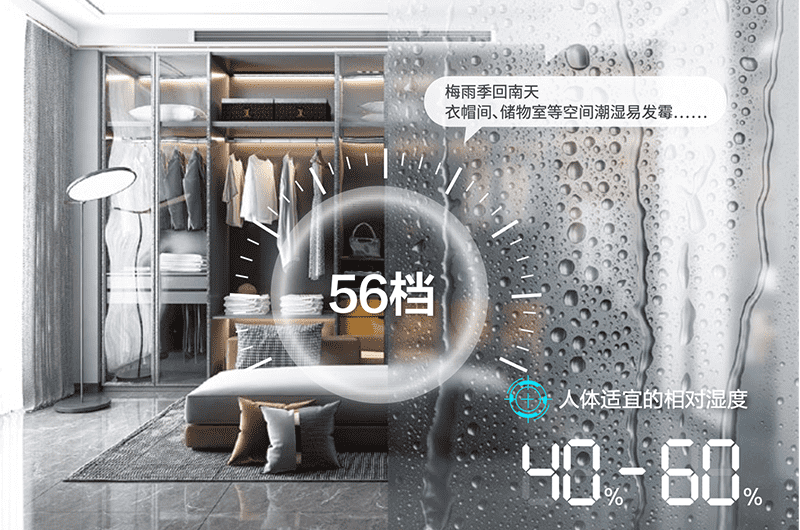
Temperature and humidity sensors are widely used in daily life, mainly in the following aspects:
● Household Appliances: Temperature and humidity sensors are widely used in home appliances such as air conditioners, refrigerators, washing machines, and humidifiers. They can be used to control the operating state of appliances, improving comfort and energy efficiency.
● Industrial Production: Temperature and humidity sensors are widely used in industrial production, such as food processing, chemical production, and textile printing/dyeing. They can be used to control industrial production processes, improving product quality and production efficiency.
● Environmental Monitoring: Temperature and humidity sensors are widely used in environmental monitoring, such as meteorological monitoring, water quality monitoring, and soil monitoring. They can be used to monitor environmental quality and protect the environment.
With the continuous development of science and technology, the technical level of temperature and humidity sensors is also constantly improving. In the future, temperature and humidity sensors will be applied in more fields, bringing more convenience to people's lives and production.
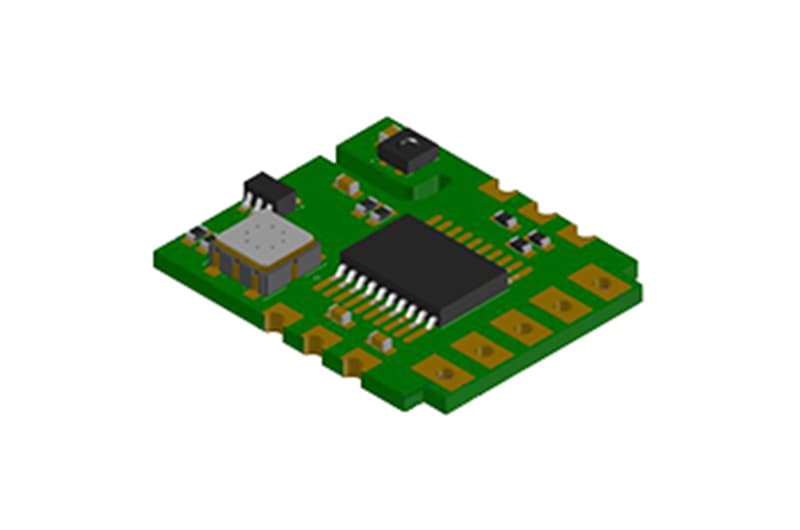
Development Trends of Temperature and Humidity Sensors
With the continuous development of science and technology, temperature and humidity sensors will be further developed in the following aspects:
● Detection accuracy and sensitivity will be further improved. With the continuous application of new materials and technologies, the detection accuracy and sensitivity of temperature and humidity sensors will be further enhanced, allowing for more accurate detection of temperature and humidity.
● The measurement range will be further expanded. With the continuous development of sensor technology, the measurement range of temperature and humidity sensors will be further expanded, enabling the detection of higher or lower temperatures and humidity levels.
● Application fields will be further broadened. As people's demand for environmental protection and healthy living increases, temperature and humidity sensors will be applied in more fields, making greater contributions to ensuring people's lives and environmental safety.
All in all, temperature and humidity sensors are indispensable “little guards” in life. With the continuous development of science and technology, temperature and humidity sensors will be further developed, bringing more convenience to people's lives and production.
