

Technical Support:
158-7527-1139

Indoor air environmental quality has a significant impact on our health and comfort. Understanding and monitoring indoor air quality is key to ensuring our quality of life. In this article, we will explore how to use sensor technology to monitor indoor air quality and why this process is so important.
Why is Monitoring Indoor Air Quality Important?
Indoor air quality has a profound impact on our health and comfort. Here are some of the main reasons:
● Health Issues: Poor indoor air quality can lead to respiratory problems, allergic reactions, headaches, and fatigue.
● Increased Productivity: In workplaces and learning environments like offices or schools, good indoor air quality can improve the efficiency and learning performance of employees and students.
● Comfort: Fresh indoor air helps increase people's sense of comfort and promotes a pleasant indoor experience.

Applications of Sensor Technology in Indoor Air Quality Monitoring
Indoor air quality monitoring typically involves measuring several key parameters, including but not limited to:
● Temperature: Indoor temperature affects people's comfort and quality of life. Sensors can be used for real-time monitoring of indoor temperature.
● Humidity: Humidity levels affect indoor comfort and health. High humidity can lead to discomfort and mold growth, while low humidity can cause dryness and irritation.
● CO2 Concentration: Elevated carbon dioxide levels can be a sign of poor air circulation, leading to oxygen deficiency and discomfort.
● PM2.5 and PM10 Particulates: The presence of fine particulate matter can be harmful to the respiratory system, making it crucial to monitor these concentrations.
● Volatile Organic Compounds (VOCs): VOCs are a class of volatile chemicals that may come from furniture, paint, cleaning agents, etc., with potential impacts on indoor air quality.
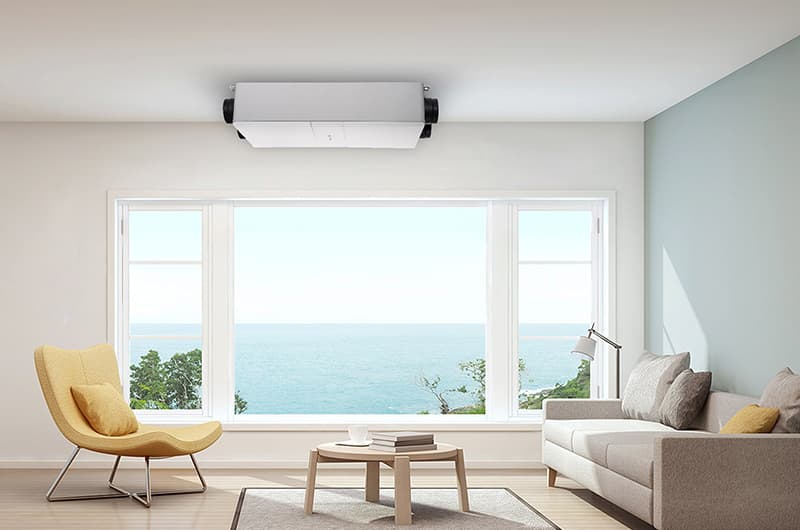
How to Monitor Indoor Air Environmental Quality
Now, let us explore how to use sensor technology to monitor indoor air environmental quality:
Install All-in-one Sensors: An all-in-one air quality sensor is an integrated device that can simultaneously measure multiple key parameters, such as temperature, humidity, CO2 concentration, and PM2.5/PM10 particulate levels. Install these sensors in key locations to obtain comprehensive indoor air quality data.
● Real-time Monitoring: All-in-one sensors provide accurate real-time data, which can be viewed by connecting to a monitoring system or a smartphone app.
● Regular Maintenance: Periodically calibrate and maintain sensors to ensure their accuracy. Replace batteries or sensor elements according to the manufacturer's recommendations.
● Take Action: Once an alert regarding a decline in indoor air quality is received, take appropriate action, such as ventilating, purifying the air, or replacing air filters, to improve air quality.
Monitoring indoor air environmental quality is vital to our health and life quality. Sensor technology provides us with an accurate and convenient method to monitor key parameters to ensure indoor air quality remains good. By properly installing and maintaining all-in-one sensors, we can better manage indoor environments and improve our quality of life and health standards.
