

Technical Support:
158-7527-1139

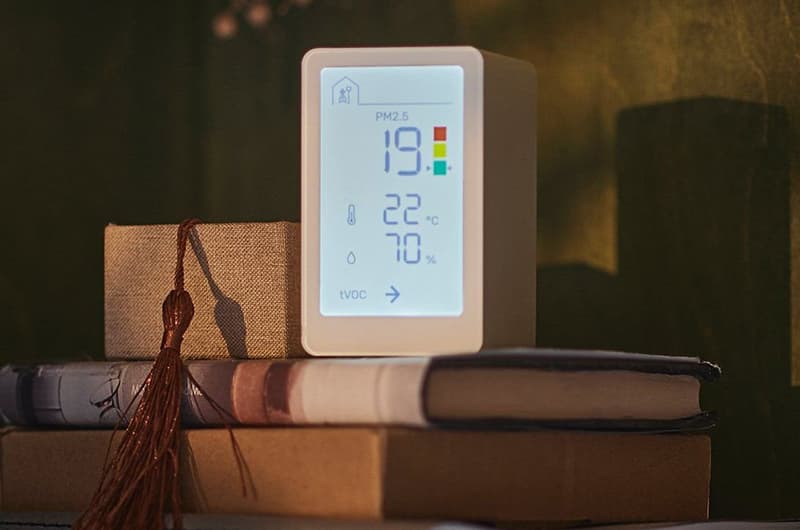
An infrared dust sensor is used to detect dust in the air. It utilizes the scattering principle of infrared light. When air containing dust passes through the sensor, the dust scatters the infrared beam, causing light attenuation. By measuring this attenuation, the concentration of dust can be calculated.
Infrared dust sensors have the following advantages:
● High detection accuracy: The scattering of infrared light is proportional to the size of dust particles, allowing the infrared dust sensor to accurately detect concentrations.
● Fast response speed: The infrared dust sensor can quickly respond to changes in dust concentration.
● Long service life: Infrared dust sensors generally have a long operational lifespan.
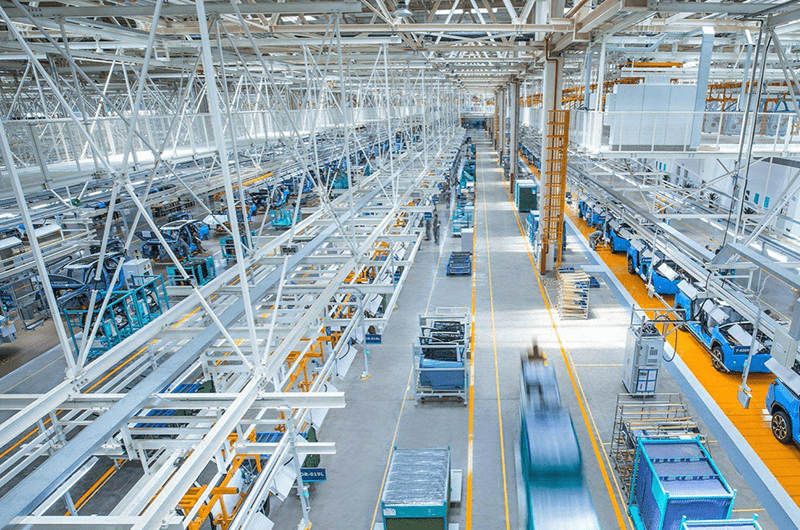
Infrared dust sensors are widely used in the following applications:
Infrared dust sensors are vital for air quality monitoring. They can be used for indoor monitoring, industrial exhaust emissions, and urban air pollution.
● In homes, offices, and schools, these sensors help discover pollution issues promptly to improve the environment.
● In industrial exhaust monitoring, they control dust concentration produced during industrial production to reduce environmental impact.
● For urban pollution, they provide real-time data for environmental governance.
Infrared dust sensors are used in various industrial scenarios for dust control, environmental monitoring, and product quality testing.
● They monitor dust generation and emissions during manufacturing.
● They assess the environmental impact of waste gas and wastewater.
● They detect dust contamination on product surfaces to ensure quality standards.
Other Fields
● In agriculture, they monitor dust in crop growth environments to improve yield and quality.
● In transportation, they help improve road environments by monitoring dust pollution.
● In construction, they protect the health and safety of workers by monitoring site dust levels.
In conclusion, infrared dust sensors have broad applications across many sectors, providing convenience and safety for life and production.
