

Technical Support:
158-7527-1139

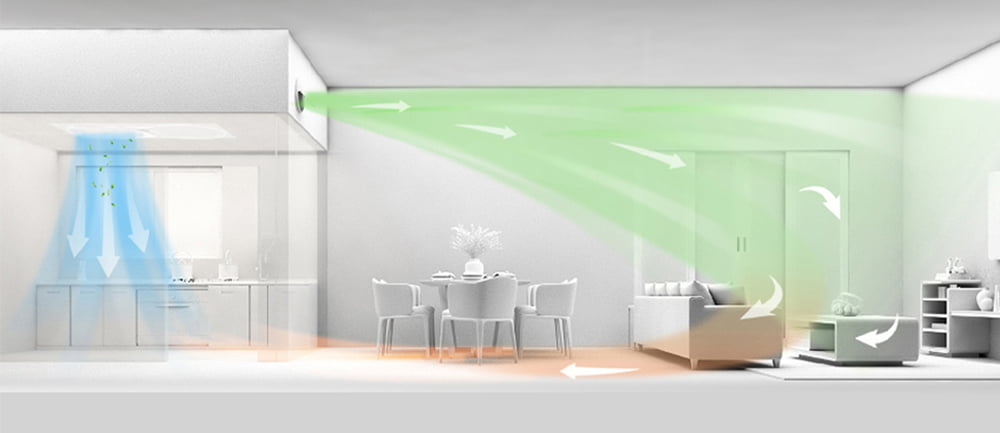
As the demand for healthy and comfortable indoor environments increases, fresh air systems are gradually becoming an indispensable part of modern buildings. As a vital component of the fresh air system, CO2 sensors play a key role in optimizing indoor air quality. This article will explore the application and role of CO2 sensors in fresh air systems, and how their use can improve indoor air quality, save energy, and achieve a healthy and comfortable living environment.
Principle and Working Mode of CO2 Sensors
A CO2 sensor is a device capable of detecting carbon dioxide concentration in indoor air. It uses infrared, chemical adsorption, or optical principles to measure CO2 levels. When the concentration in the indoor air exceeds a set threshold, the sensor sends a signal to trigger the operation of the fresh air system, achieving air circulation and renewal.
Role of CO2 Sensors in Fresh Air Systems
● Providing Precise Air Quality Monitoring: CO2 sensors can monitor carbon dioxide levels in indoor air in real-time, providing accurate air quality data for the fresh air system. Freshness and ventilation effectiveness can be assessed by monitoring CO2 concentration.
● Achieving Intelligent Control and Adjustment: Based on the detection results of the CO2 sensor, the fresh air system can intelligently adjust the air volume and ventilation frequency. When CO2 levels are high, the system increases fresh air to maintain freshness and comfort. Conversely, when CO2 levels are low, the system can reduce air volume to lower energy consumption.
● Energy Saving and Environmental Protection: By using CO2 sensors for intelligent control, fresh air systems can maximize energy savings while ensuring indoor air quality. Adjusting fresh air based on actual needs avoids energy waste from over-ventilation, reduces reliance on air conditioning, and lowers carbon emissions.
● Providing a Healthy and Comfortable Indoor Environment: Excessive CO2 levels in indoor air can lead to discomfort, such as dizziness and fatigue. The application of CO2 sensors can promptly monitor and control CO2 levels to ensure fresh and comfortable indoor air, providing a healthy living environment.
Optimizing Fresh Air System Configuration
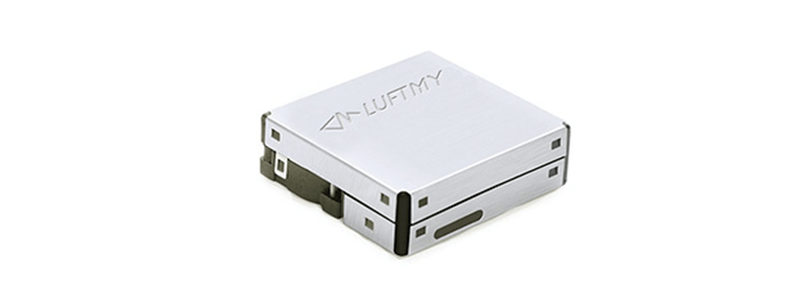
● Proper Sensor Installation: In fresh air systems, the CO2 sensor should be placed in common living areas, such as the living room or bedroom, to ensure detection accuracy. Additionally, the number and layout of sensors need to be reasonably configured based on room layout and area to cover the entire indoor space.
● Combining with Other Sensors and Control Systems: Besides CO2 sensors, integrating other sensors like temperature, humidity, and air quality sensors allows for more comprehensive monitoring and control of the indoor environment. Through smart control system integration, more precise indoor air quality management can be achieved, improving comfort and energy efficiency.
● Regular Maintenance and Calibration: To ensure accuracy and reliability, regular maintenance and calibration of the CO2 sensor are necessary. Cleaning the sensor surface, checking its operation status, and calibrating measurement accuracy ensures its normal performance.
CO2 sensors play an important role in fresh air systems. Through real-time monitoring and smart control, they improve indoor air quality, save energy, and create a healthy and comfortable indoor environment. Proper sensor configuration, integration with other systems, and regular maintenance further optimize performance. In the future, with technological development, the application of CO2 sensors in fresh air systems will become even more intelligent and efficient, creating healthier living spaces.
