Technical Support:
158-7527-1139


An all-in-one air quality sensor refers to a sensor capable of simultaneously measuring the concentrations of multiple air pollutants. The emergence of the all-in-one air quality sensor has simplified the process of air quality testing, improved detection efficiency, and reduced costs.
All-in-one air quality sensors can be classified into the following categories based on their different measurement indicators:
● PM2.5/PM10 all-in-one sensor: Can simultaneously measure the concentrations of PM2.5 and PM10.
● Formaldehyde/TVOC all-in-one sensor: Can simultaneously measure the concentrations of formaldehyde and TVOC.
● PM2.5/Formaldehyde/TVOC all-in-one sensor: Can simultaneously measure the concentrations of PM2.5, formaldehyde, and TVOC.
● PM2.5/PM10/Formaldehyde/TVOC all-in-one sensor: Can simultaneously measure the concentrations of PM2.5, PM10, formaldehyde, and TVOC.
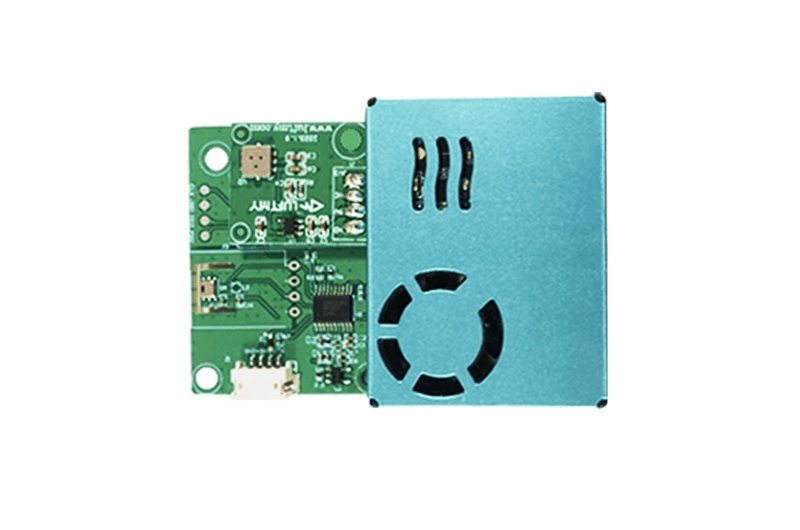
All-in-one air quality sensors use a combination of various sensors to measure multiple pollutant concentrations. Commonly used sensor types include:
● Electrochemical sensors: Used to measure organic gases such as formaldehyde and TVOC.
● Optical sensors: Used to measure particulate matter such as PM2.5 and PM10.
● Ionization sensors: Used to measure gases such as carbon dioxide and carbon monoxide.
All-in-one air quality sensors have the following advantages:
● Simplified air quality testing process: All-in-one air quality sensors can simultaneously measure multiple pollutant concentrations, eliminating the need for multiple single-function sensors and simplifying the air quality testing process.
● Improved detection efficiency: All-in-one air quality sensors can simultaneously measure multiple pollutant concentrations, reducing detection time and improving efficiency.
● Reduced detection costs: All-in-one air quality sensors can simultaneously measure multiple pollutant concentrations, reducing the cost of sensors and overall testing expenses.
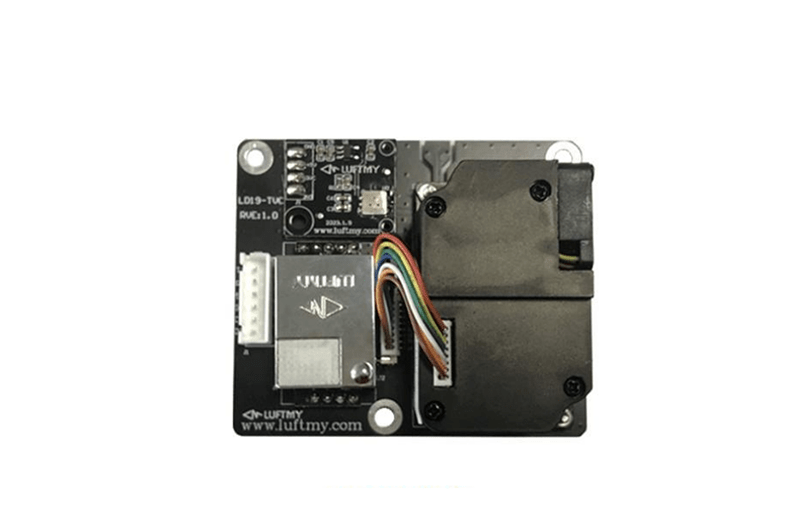
All-in-one air quality sensors are widely used in homes, offices, schools, factories, and other places for monitoring air quality. All-in-one air quality sensors can help people understand air quality conditions and take corresponding measures to protect their health.
When using an all-in-one air quality sensor, the following precautions should be taken:
● Select an appropriate sensor: Choose a sensor based on actual needs to ensure accurate measurement values.
● Use the sensor correctly: Follow the manual to use the sensor correctly and ensure accurate measurement values.
● Calibrate the sensor regularly: Periodically calibrate the sensor to ensure accurate measurement values.
Through proper use and maintenance, the service life of all-in-one air quality sensors can be extended, ensuring they continue to provide us with accurate air quality information.