

Technical Support:
158-7527-1139


Air quality sensors are instruments used to detect the concentration of pollutants in the air and are widely used in homes, offices, schools, and other places. The lifespan of an air quality sensor refers to the length of time it can operate normally. The lifespan of an air quality sensor depends on various factors, including the type of sensor, manufacturing process, and working environment.
Air quality sensors can be classified into the following categories based on their working principles:
● Electrochemical sensors: Use electrochemical reactions to detect pollutant concentration, with a typical lifespan of 1-2 years.
● Optical sensors: Use optical methods to detect pollutant concentration, with a typical lifespan of 2-3 years.
● Ionization sensors: Use ionization methods to detect pollutant concentration, with a typical lifespan of 3-5 years.
The manufacturing process and working environment of an air quality sensor will also affect its lifespan. High-quality sensors utilize advanced manufacturing processes and durable materials to maintain good performance even in harsh working environments. In contrast, inferior sensors use crude manufacturing processes and fragile materials, which may lead to a shortened lifespan even in normal working environments.
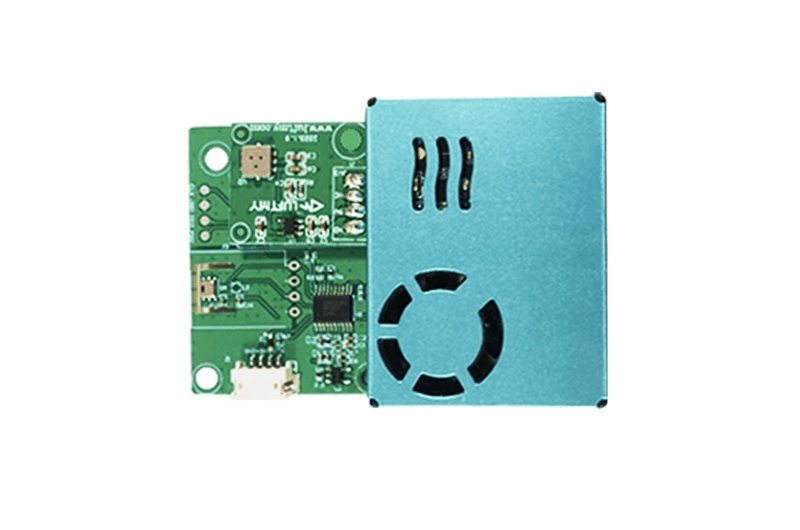
The service life of air quality sensors can be extended through the following methods:
● Select the right sensor: Choose a sensor with a longer service life.
● Pay attention to environmental factors: When using an air quality sensor, avoid environments with high temperatures, high humidity, or high airflow.
● Correct use: The air quality sensor should be placed and used correctly to ensure accurate measurement values.
Based on the above factors, the general lifespan of an air quality sensor is 2-5 years. Under normal use, most air quality sensors can be used for 2-3 years. If the operating environment is harsh or the usage method is incorrect, the lifespan of the air quality sensor may be shortened.
To extend the service life of air quality sensors, the following care and maintenance should also be noted:
● Regular cleaning: Air quality sensors may accumulate dust and dirt during use, affecting measurement accuracy. Therefore, the air quality sensor should be cleaned regularly to ensure its normal operation.
● Regular calibration: Air quality sensors may experience drift during use, affecting measurement accuracy. Therefore, the air quality sensor should be calibrated regularly to ensure accurate measurement values.
With proper use and maintenance, the service life of air quality sensors can be extended, ensuring they continue to provide us with accurate air quality information.
