

Technical Support:
158-7527-1139

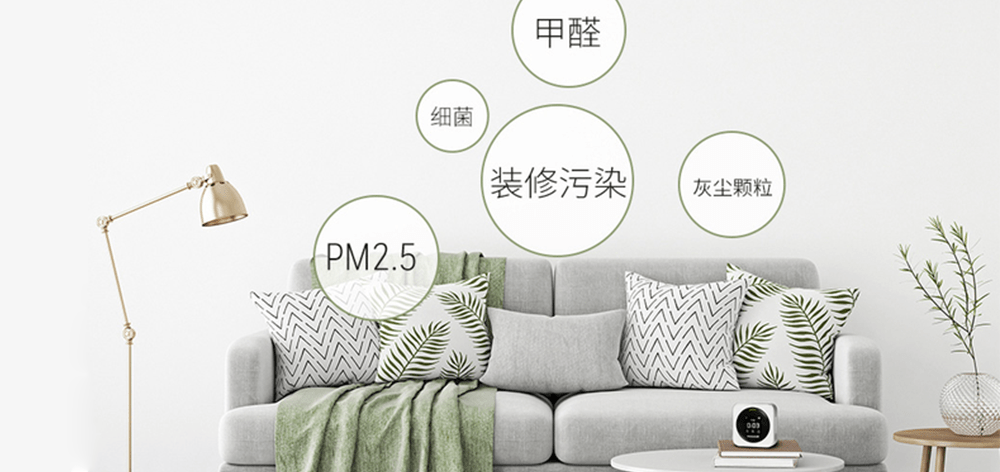
Indoor air quality plays a significant role in our lives; however, we often underestimate the potential threats present in indoor air. Formaldehyde, a common harmful gas, can jeopardize our health. To protect you and your family, understanding the importance of formaldehyde sensors is crucial.
The Threat of Formaldehyde
Formaldehyde is a volatile organic compound (VOC) commonly found in new furniture, renovation materials, and household items. Prolonged exposure to high concentrations of formaldehyde can lead to various health issues, including allergies, respiratory infections, and chronic diseases. The invisible threat of formaldehyde should alert us.
The Role of Formaldehyde Sensors
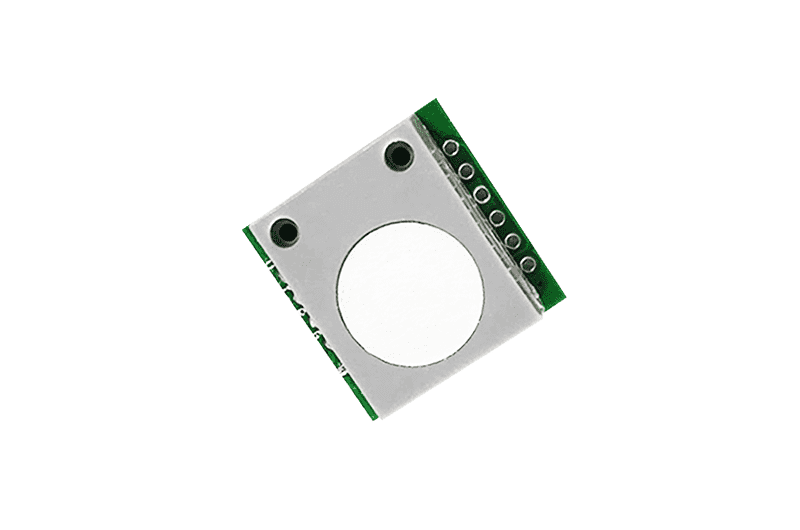
A formaldehyde sensor is an intelligent device that detects indoor formaldehyde concentrations and provides real-time data. They play a key role in indoor air quality monitoring, helping you understand the levels of formaldehyde in your indoor environment.
Working Principle
Formaldehyde sensors use chemical sensing elements to detect the presence of formaldehyde. When formaldehyde molecules come into contact with the sensing element, they trigger a specific chemical reaction. This reaction causes a change in the resistance of the sensing element. The sensor determines the formaldehyde concentration by measuring this resistance change and transmits the data to a monitoring system.
Why Use a Formaldehyde Sensor?
● Real-time Monitoring: Formaldehyde sensors provide real-time data on indoor air quality, allowing you to track formaldehyde concentrations at any time.
● Health Protection: By monitoring formaldehyde levels, you can take steps to reduce exposure, thereby protecting the health of you and your family.
● Environmental Awareness: These sensors empower you to be a supervisor of indoor air quality, contributing to an improved indoor environment.
How to Improve Indoor Air Quality?
When formaldehyde concentrations are high, you can take the following measures to improve indoor air quality:
● Ventilation: Through regular ventilation, indoor air can be exchanged for fresh air, allowing harmful gases to be discharged.
● Choose Low-Formaldehyde Materials: When purchasing new furniture and renovation materials, select products with low formaldehyde emission to reduce sources of formaldehyde.
● Air Purification: Using an air purifier with a formaldehyde filtering function helps remove formaldehyde and other harmful substances.
● Regular Testing: Use formaldehyde sensors for regular detection of indoor concentrations to identify problems early and take action.

Application Cases
● Home Use: Formaldehyde sensors in the home help monitor indoor air quality, particularly in households with children, the elderly, or allergy sufferers.
● Workplace: In offices and industrial environments, formaldehyde sensors help ensure employee health and safety, improving the indoor working environment.
● Medical Facilities: In medical facilities, formaldehyde sensors are used to monitor the air quality in operating rooms and wards, ensuring patient safety.
Formaldehyde sensors are powerful tools for improving indoor air quality and indoor health. By monitoring formaldehyde levels and taking appropriate measures, we can reduce the risk of indoor pollution and improve our quality of life. In indoor environments, formaldehyde sensors represent a vital environmental sensing technology that helps create a safer and healthier living environment.
