

Technical Support:
158-7527-1139

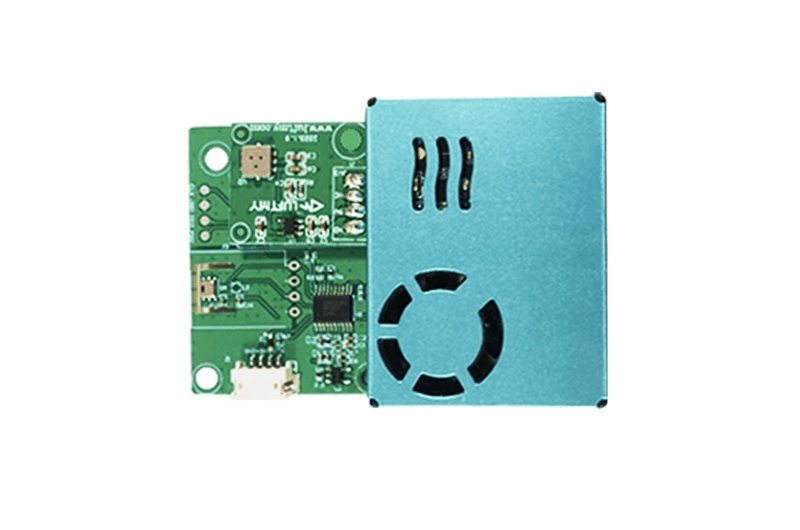
All-in-one sensors play a key role in the field of modern technology. These smart devices have become mainstays in engineering, medicine, environmental monitoring, and other fields due to their outstanding versatility. This article will provide an in-depth introduction to the working principle, main application areas, and why all-in-one sensors are so important.
Working Principle of All-in-One Sensors
Part of the reason all-in-one sensors are so favored is their unique working principle. They integrate multiple sensor elements internally, such as temperature sensors, humidity sensors, and pressure sensors, which work collaboratively through an internal processing unit. This allows them to monitor and measure multiple environmental parameters simultaneously, thereby providing comprehensive data.
Main Application Areas
All-in-one sensors play a crucial role in various fields. Here are some of the main application areas:
● Meteorological Monitoring: All-in-one sensors can be used to measure temperature, humidity, air pressure, and other meteorological parameters, providing vital information for meteorologists, farmers, and weather forecasting.
● Industrial Automation: In factories and manufacturing, all-in-one sensors are used to monitor equipment operating status, environmental conditions, and quality control.
● Environmental Monitoring: All-in-one sensors help monitor air and water quality, soil conditions, and urban pollution, contributing to environmental protection and sustainable development.
● Medical Devices: In the medical industry, all-in-one sensors are used to monitor patients' physiological parameters, such as heart rate, body temperature, and respiration rate, thereby providing better medical care.
Importance of All-in-One Sensors
The importance of all-in-one sensors lies not only in their wide range of applications but also in the benefits they bring. They provide more comprehensive data and reduce the cost and complexity of requiring multiple separate sensors. Additionally, they help improve data accuracy because the collaboration between different sensors can reduce errors.
In summary, all-in-one sensors play an indispensable role in modern technology and engineering. Whether in weather forecasting, environmental protection, or the medical industry, they provide us with more information and better solutions. Understanding the working principle and application areas of all-in-one sensors will help to better utilize their potential and enhance efficiency and outcomes in various fields.
