

Technical Support:
158-7527-1139

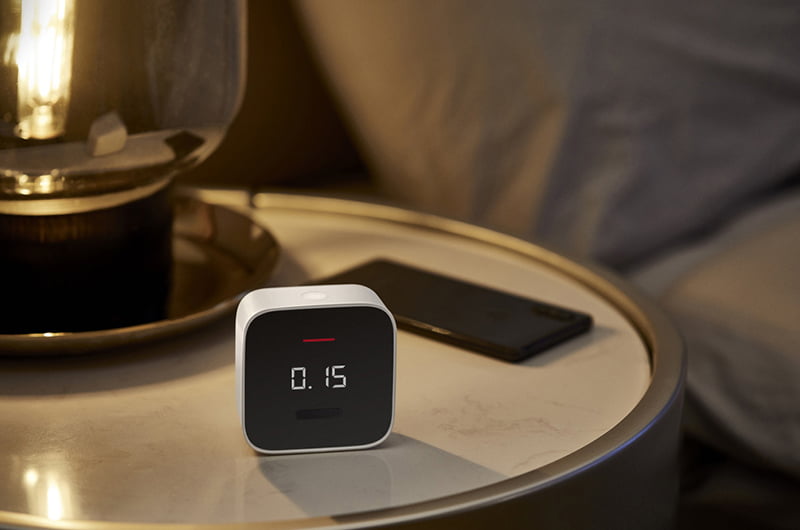
Formaldehyde sensors are instruments used to detect formaldehyde concentration and are widely used in homes, offices, schools, and other places. During use, formaldehyde sensors may encounter some common problems. Understanding these issues and taking corresponding measures can ensure the normal use and data accuracy of the formaldehyde sensor.
Inaccurate measurement values:
Inaccurate measurement values of formaldehyde sensors are one of the most common problems during use. There are many reasons for inaccurate measurements, including:
● Issues with the sensor itself: The quality, service life, and temperature/humidity adaptation range of the sensor will affect the accuracy of the measurement values.
● Influence of environmental factors: Factors such as ambient temperature, humidity, and airflow will also affect the measurement values.
● Incorrect usage methods: The placement of the sensor, sampling time, etc., will affect the measurement values.
To ensure accurate measurement values of the formaldehyde sensor, the following points should be noted:
● Select an appropriate sensor: Choose a sensor that has a test report issued by a nationally recognized testing agency.
● Regular calibration: Formaldehyde sensors have a certain service life and need to be calibrated regularly during use to ensure accurate measurements.
● Pay attention to environmental factors: When using the formaldehyde sensor, care should be taken to avoid environments with high temperatures, high humidity, or high airflow.
● Correct use: The formaldehyde sensor should be placed in a well-ventilated environment, and the sampling time should be at least 10 minutes.
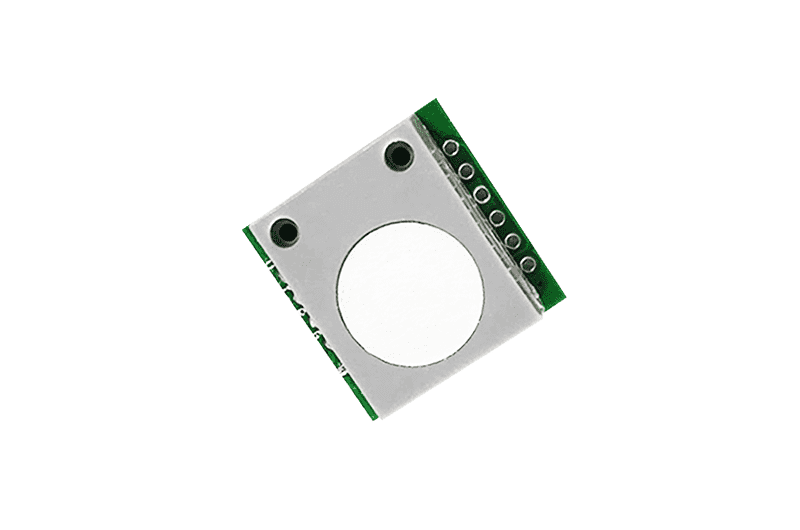
Sensor failure:
After long-term use, formaldehyde sensors may experience failure. There are many reasons for sensor failure, including:
● Issues with the sensor itself: The quality, service life, and temperature/humidity adaptation range of the sensor will affect its lifespan.
● Influence of environmental factors: Factors such as ambient temperature, humidity, and airflow will also affect the sensor's service life.
● Incorrect usage methods: The placement of the sensor, sampling time, etc., will affect the service life of the sensor.
To extend the service life of the formaldehyde sensor, the following points should be noted:
● Select an appropriate sensor: Choose a sensor with a longer service life.
● Pay attention to environmental factors: When using the formaldehyde sensor, care should be taken to avoid environments with high temperatures, high humidity, or high airflow.
● Correct use: The formaldehyde sensor should be placed in a well-ventilated environment, and the sampling time should be at least 10 minutes.
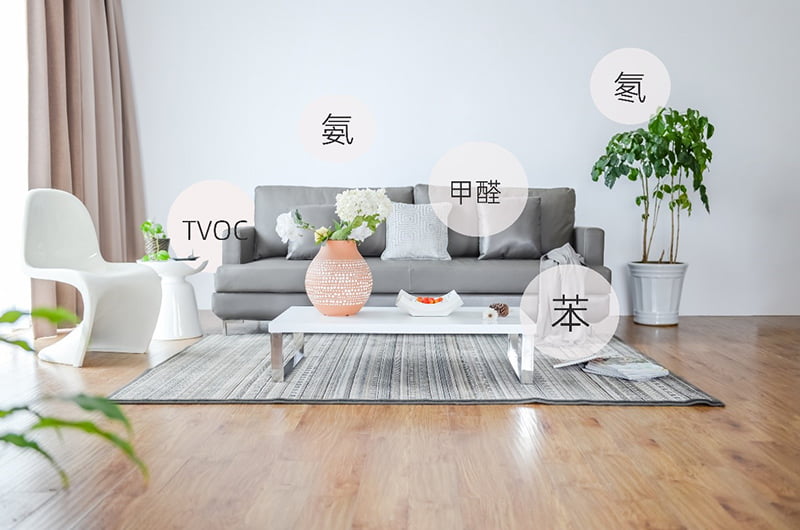
Other issues:
Formaldehyde sensors may also encounter other problems during use, such as:
● Sensor alarm: Formaldehyde sensors may have false positives or false negatives, and it is necessary to check the cause promptly and take appropriate measures.
● Sensor failure: Formaldehyde sensors may experience issues like abnormal displays or inability to work. It is necessary to contact the manufacturer or professional maintenance personnel for repair promptly.
When encountering any problems while using a formaldehyde sensor, the cause should be identified and addressed promptly to ensure normal use and data accuracy.
The following are some precautions for using formaldehyde sensors:
● Select an appropriate sensor: There are many types of formaldehyde sensors; an appropriate one should be selected according to actual needs.
● Use the sensor correctly: Formaldehyde sensors should be placed and used correctly to ensure accurate measurements.
● Calibrate the sensor regularly: Formaldehyde sensors have a certain service life and should be calibrated regularly to ensure accurate measurement values.
By understanding common problems during use and taking appropriate measures, you can ensure the normal operation and data accuracy of formaldehyde sensors, providing us with accurate formaldehyde concentration information.
