

Technical Support:
158-7527-1139


A gas sensor is a sensor used to detect the concentration of gases in the air. Gas sensors have a wide range of applications in daily life, mainly in the following fields:
Air Quality Monitoring: Gas sensors can be used to monitor the concentration of pollutants in the air, such as PM2.5, sulfur dioxide, carbon monoxide, etc. These pollutants can cause harm to human health; therefore, gas sensors play an important role in air quality monitoring.
Indoor air quality monitoring: Indoor air quality is also receiving increasing attention. Pollutants in indoor air, such as formaldehyde, benzene, toluene, etc., can be hazardous to health. Gas sensors can be used to monitor the concentration of these indoor pollutants, helping people improve indoor air quality.
Industrial Safety: In industrial production, gas leaks can cause serious safety accidents. Gas sensors can be used to detect gas leaks during production, providing timely warnings to prevent accidents.
Medical: Gas sensors can be used to monitor gas concentrations in a patient's blood, such as blood oxygen and carbon dioxide levels. This data helps doctors diagnose and treat diseases.
Food Safety: Gas sensors can be used to detect harmful gases in food, such as sulfur dioxide and formaldehyde. These gases are harmful to health, so gas sensors play an important role in food safety testing.
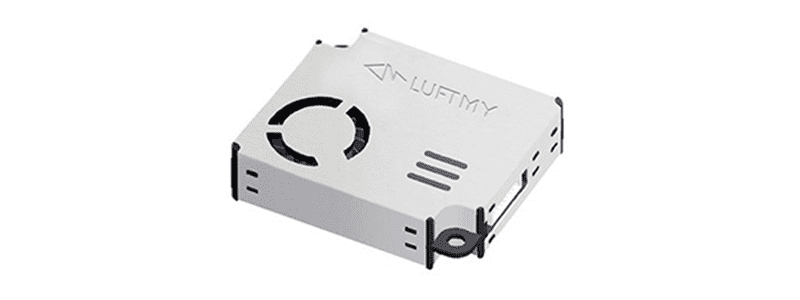
The application of gas sensors in daily life has the following characteristics:
Wide Range of Applications: Gas sensors can be applied to various scenarios, including indoor, outdoor, industrial, medical, etc.
Significant Role: Gas sensors help people protect health, safety, and the environment.
Rapid Development: With technical progress, the performance of gas sensors continues to improve while prices drop, leading to wider adoption.

When purchasing gas sensors, consider the following factors:
Detection Range: Choose a sensor with a detection range suited to your needs.
Accuracy: Higher accuracy provides more precise measurement results.
Stability: Better stability leads to a longer service life for the sensor.
Price: Cost is also a factor to consider.
Gas sensors are an indispensable type of sensor in modern life. With technological advancements, the application of gas sensors will become increasingly widespread, bringing more convenience and security to people's lives.
