

Technical Support:
158-7527-1139


An electrochemical gas sensor is a type of sensor that detects gas using electrochemical reaction principles. The structure of an electrochemical gas sensor mainly consists of four parts: the working electrode, reference electrode, sensitive membrane, and electrolyte.
The working electrode is the site where the gas reacts with the electrolyte and is the core component of the gas sensor. The reference electrode forms a cell with the working electrode to measure changes in cell voltage. The sensitive membrane is used to control the contact area between the gas and the electrolyte and prevent interference from impurities. The electrolyte is a substance used to provide electrolytes and facilitate electrochemical reactions.
The working principle of an electrochemical gas sensor is: when target gas molecules contact the working electrode, an electrochemical reaction occurs with the electrolyte, producing a current or voltage change. The magnitude of the current or voltage change is proportional to the concentration of the target gas.
The advantages of electrochemical gas sensors are:
● High sensitivity, capable of detecting low-concentration gases;
● Good selectivity, enabling selective detection of specific gases;
● Fast response speed, allowing for rapid detection of gas concentration changes;
● Compact size, easy to carry and use.
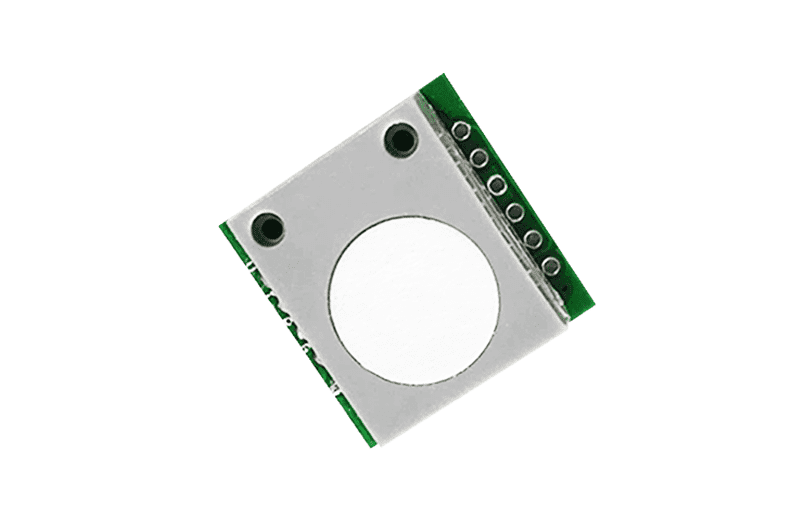
Electrochemical gas sensors have a wide range of application areas, including:
● Industrial environmental monitoring: used to monitor harmful gases in industrial environments, such as sulfur dioxide, carbon monoxide, nitrogen oxides, etc.;
● Civil environmental monitoring: used to monitor indoor air quality, such as formaldehyde, benzene, TVOC, etc.;
● Medical and health: used to monitor gases in the blood, such as oxygen and carbon dioxide;
● Military applications: used to detect poisonous gases, biochemical weapons, etc.
Electrochemical gas sensor technology has developed rapidly in recent years and has broad application prospects. With continuous technological development, the performance of electrochemical gas sensors will be further improved, and application areas will become even more extensive.
