Technical Support:
158-7527-1139

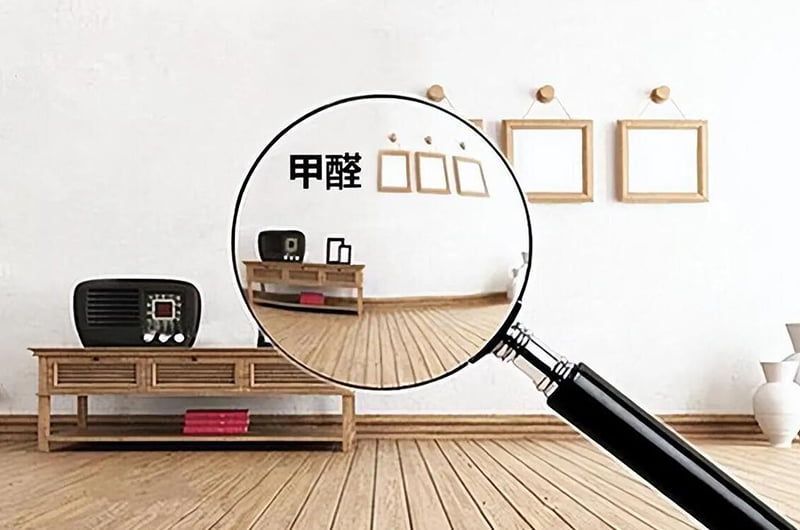
Formaldehyde is a colorless and odorless gas. Short-term exposure to high concentrations of formaldehyde can cause symptoms such as headache, nausea, vomiting, and difficulty breathing, while long-term exposure to low concentrations can trigger respiratory diseases, nasopharyngeal cancer, etc. Therefore, when decorating a new house or purchasing new furniture, formaldehyde detection is indispensable.
The traditional method of formaldehyde detection is to identify the smell of formaldehyde with the human nose. Although this method is simple and easy to implement, it has certain limitations:
● The sensitivity of the human nose to formaldehyde is limited; when the formaldehyde concentration is low, the nose may not be able to detect it.
● The human nose's ability to identify formaldehyde decreases over time.
● The recognition of formaldehyde by the human nose is affected by individual physical conditions and environmental factors.
To detect formaldehyde more accurately, we can use formaldehyde sensors. A formaldehyde sensor is an instrument that can detect formaldehyde concentration, offering the following advantages:
● High sensitivity, capable of detecting trace amounts of formaldehyde.
● High accuracy, capable of precisely measuring formaldehyde concentration.
● Good repeatability, allowing for multiple measurements to ensure consistent results.
● Convenient to use, simple operation, no professional personnel required.
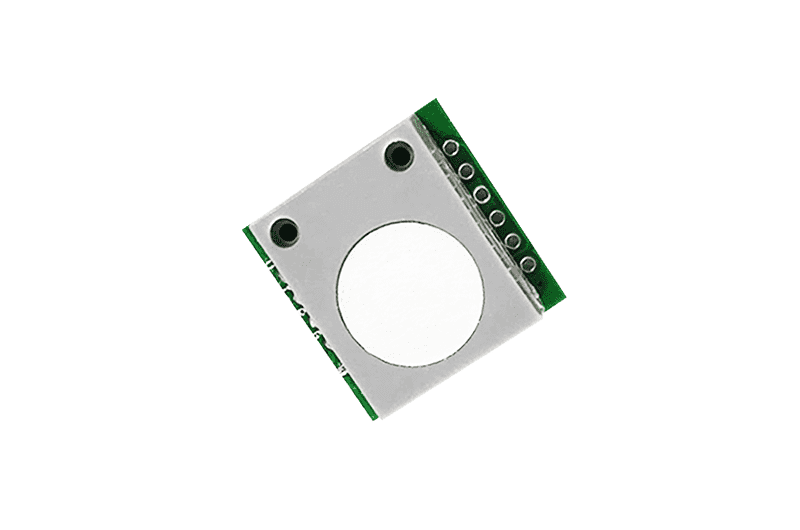
There are many types of formaldehyde sensors, the most common being the electrochemical formaldehyde sensor. Electrochemical formaldehyde sensors operate on electrochemical principles and are characterized by high sensitivity, high resolution, and low power consumption.
When purchasing a formaldehyde sensor, we need to pay attention to the following points:
● Choose sensors produced by regular manufacturers to ensure quality.
● Choose sensors with high sensitivity and high resolution to ensure accurate measurement results.
● Choose sensors with good repeatability to ensure consistent measurement results.
The usage of formaldehyde sensors is very simple: just place the sensor in the environment to be tested and wait a few minutes to read the formaldehyde concentration.
When using formaldehyde sensors, we need to note the following:
● Place the sensor in a well-ventilated environment to avoid contamination.
● Calibrate the sensor regularly to ensure its accuracy.
Formaldehyde sensors are effective tools for detecting formaldehyde concentration. They help us understand indoor formaldehyde pollution more accurately, allowing us to take effective measures to reduce formaldehyde concentration and protect our health.