

Technical Support:
158-7527-1139

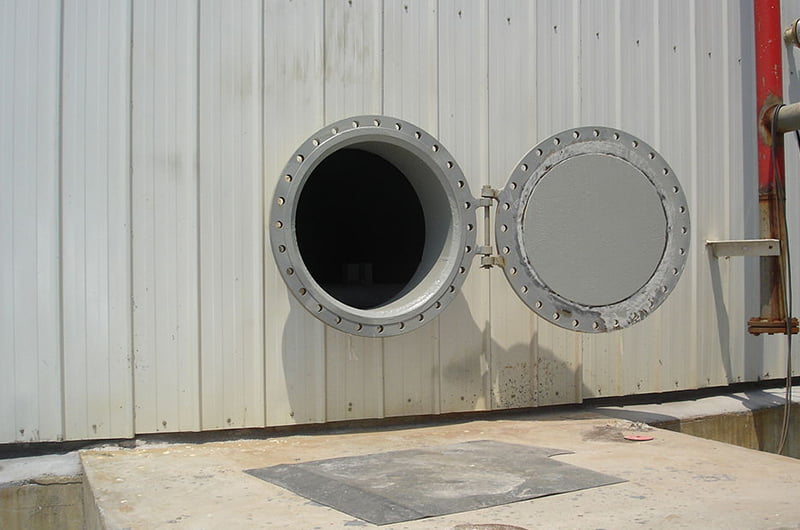
In modern life, the use of confined spaces has become increasingly common, whether in residences, offices, industrial plants, or car interiors. However, the rise of carbon dioxide (CO2) concentration in confined spaces may have adverse effects on human health and safety. To solve this problem, CO2 sensors have emerged, used to monitor and control the CO2 concentration within confined spaces, thereby ensuring air quality and safety. This article will deeply explore the key role of CO2 sensors in confined spaces, their working principle, and their value in various application fields.
Importance of CO2 Sensors
Elevated CO2 concentrations in confined spaces can lead to a range of health issues, including headaches, drowsiness, poor concentration, and in more severe cases, poisoning. Furthermore, high CO2 concentrations also affect work and study efficiency, reducing productivity. Therefore, ensuring the control of CO2 concentration in confined spaces is crucial. CO2 sensors play a key role in this field, as they can monitor CO2 concentration in real-time, helping to take necessary measures to maintain safe levels.
Working Principle of CO2 Sensors
The working principle of CO2 sensors is based on different technologies, the most common being sensors based on infrared technology. These sensors contain an infrared light source and a receiver. When infrared light passes through CO2 in the air, its wavelength undergoes a small change. By measuring the change in the wavelength of the received light, the sensor can accurately calculate the CO2 concentration. Additionally, some CO2 sensors can also measure temperature and humidity, which helps improve measurement accuracy.
Application Fields of CO2 Sensors
CO2 sensors have a wide range of applications in various fields; here are some examples of major areas:
● Indoor air quality monitoring: CO2 sensors are widely used in indoor environments such as offices, schools, and hospitals to monitor CO2 concentration and ensure indoor air quality. When CO2 concentration rises, the sensor can trigger an automatic ventilation system to provide fresh air and keep the indoor air fresh.
● Industrial Production: In industrial environments, CO2 sensors can be used to monitor CO2 emissions during the production process, ensuring the safety of the working area and helping to achieve environmental goals.
● Greenhouse Agriculture: In greenhouses, CO2 sensors can be used to monitor and control CO2 concentration to promote plant growth. By increasing CO2 concentration, plant growth speed and yield can be improved.
● Vehicles: Car interiors are also frequently installed with CO2 sensors to monitor interior air quality. This is very important for passenger health during long-distance driving and traffic jams.
● Mines and Underground Projects: In mines and underground projects, CO2 sensors are used to monitor gas concentration and ensure the safety of the working area. High CO2 concentrations may lead to harmful gas leaks and poisoning.
CO2 sensors play a vital role in monitoring and controlling CO2 concentration in confined spaces, which helps maintain healthy indoor air quality, ensures industrial safety, promotes plant growth, improves comfort in vehicles, and ensures the safety of mines and underground projects. As technology continues to advance, CO2 sensors will continue to play an important role in various fields, providing healthier and safer conditions for our living and working environments. If you need further information or help, please feel free to contact our professional team.
