





Technical Support:
158-7527-1139

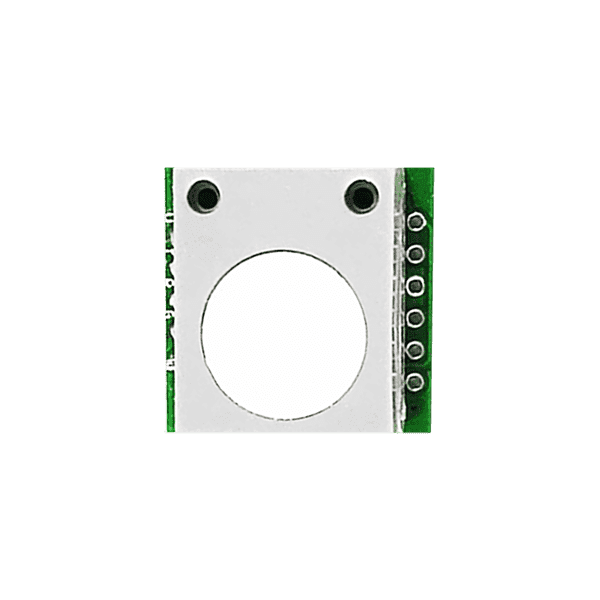
Resolution up to 1ppb
Highly integrated module, simultaneous output of Formaldehyde, VOC, TVOC and other parameters
Full-range temperature and humidity compensation
Unique dual-channel design, alcohol cross-interference < 1%
Alcohol poisoning resistance, fast recovery time
Multiple communication methods available: UART, IIC, PWM
Good long-term stability, service life up to 6 years
Detection Principle: Electrochemical
Measurement Range: Formaldehyde: 0~1ppm
Ambient Conditions: 25±2℃, 50±10%RH
Detection Accuracy: ±30ppb or ±10% of the larger value
Response Time: 50s
Working Conditions: -10-50C; below 15-95%RH (Non-condensing)
Storage Conditions: -20~50℃; under 15-95%RH (Non-condensing)
Working Voltage: DC(+3.7V~+5.5V)
Working Current: <15 mA
Standby Current: ≤0.5mA
Signal Output: PWM, UART, IIC
Mean Time Between Failures: ≥2 years
Product Size: W23*H25.5*D6.5(mm)
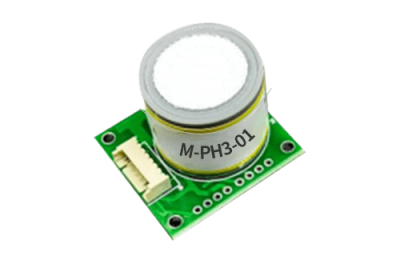
The MPH301 electrochemical phosphine module is a general-purpose, miniaturized module. It uses electrochemical principles to detect PH3 in the air, offering good selectivity and stability. Built-in temperature sensor for temperature compensation; features both digital and analog voltage outputs for ease of use. The MPH301 module combines mature electrochemical detection technology with sophisticated circuit design to create a general-purpose gas module. Mainly used in portable instruments, air quality monitoring equipment, air purifiers, fresh air ventilation systems, air conditioners, smart home devices, and other locations.
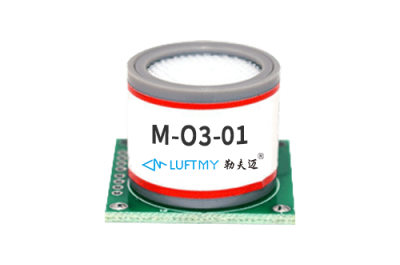
The MO301 electrochemical ozone sensor module is a general-purpose, miniaturized module. It uses electrochemical principles to detect O3 in the air, offering good selectivity and stability. Built-in temperature sensor for temperature compensation; features both digital and analog voltage outputs for ease of use. The MO301 module combines mature electrochemical detection technology with sophisticated circuit design to create a general-purpose gas module. Mainly used in disinfection of confined spaces such as hotels, ship cabins, and vehicle carriages, as well as industrial environmental monitoring.
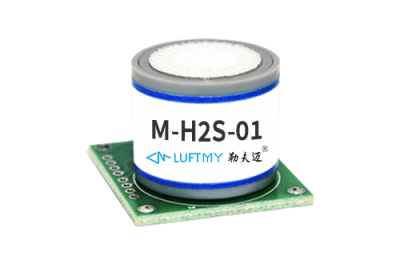
The MH2S01 electrochemical hydrogen sulfide module is a general-purpose, miniaturized module. It uses electrochemical principles to detect H2S in the air, offering good selectivity and stability. Built-in temperature sensor for temperature compensation; features both digital and analog voltage outputs for ease of use. The MH2S01 module combines mature electrochemical detection technology with sophisticated circuit design to create a general-purpose gas module. Mainly used in portable instruments, air quality monitoring equipment, air purifiers, fresh air ventilation systems, air conditioners, smart home devices, and other locations.
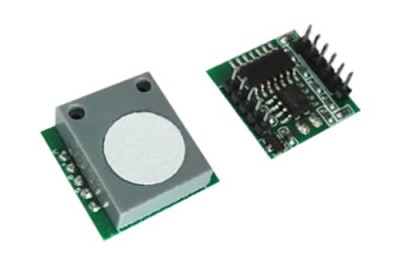
The MCO01 electrochemical carbon monoxide module is a general-purpose, miniaturized module. It uses electrochemical principles to detect CO in the air, offering good selectivity and stability. Built-in temperature sensor for temperature compensation; features both digital and analog voltage outputs for ease of use. The MCO01 module combines mature electrochemical detection technology with sophisticated circuit design to create a general-purpose gas module. Mainly used in portable instruments, air quality monitoring equipment, air purifiers, fresh air ventilation systems, air conditioners, smart home devices, and other locations.
