

Technical Support:
158-7527-1139

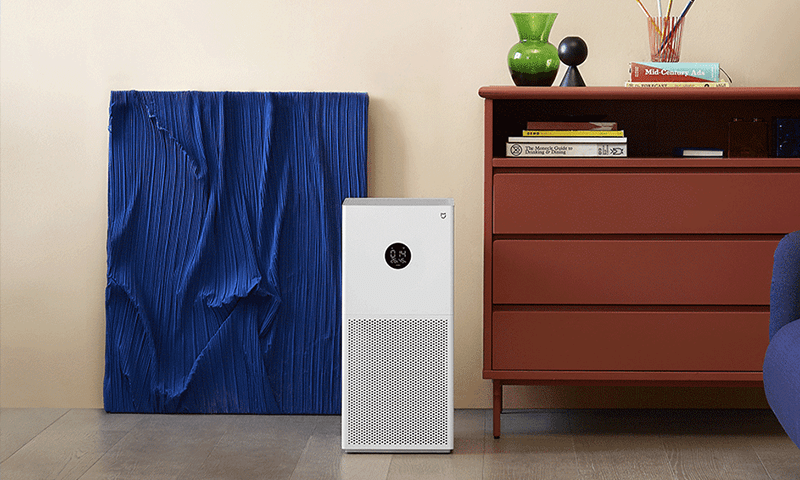
When it comes to improving indoor air quality, people often consider using air purifiers and fresh air systems. Both play a key role in providing fresh air, but what is the relationship between them? In this article, we will analyze the relationship between air purifiers and fresh air systems, with a special focus on the role of sensors in this context.
The Role of Air Purifiers
An air purifier is an electronic device designed to remove pollutants and harmful substances from the air, such as dust, pollen, bacteria, viruses, and harmful gases. By using different filters and technologies—such as HEPA filters, activated carbon, and UV sterilization—these devices can effectively purify indoor air, making it fresher and healthier.
The Role of Fresh Air Systems
A fresh air system is a mechanical system used to introduce outdoor air into the room and exhaust stale indoor air. This helps maintain the freshness of indoor air and reduce the concentration of harmful gases. A fresh air system typically includes fans, filters, and ductwork to ensure the circulation and filtration of indoor air.
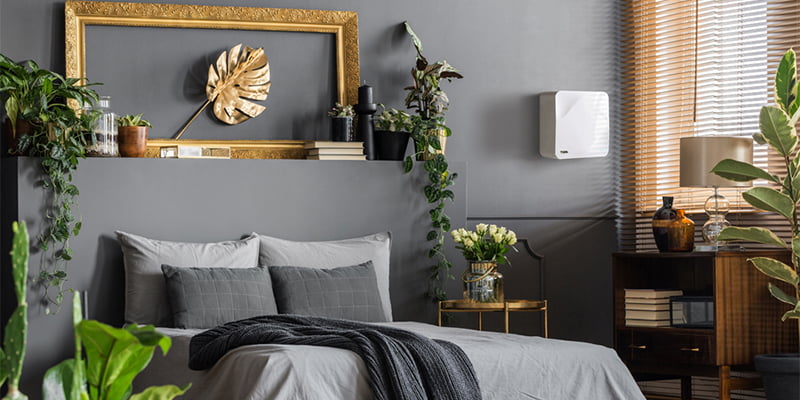
The Relationship between Air Purifiers and Fresh Air Systems
While both air purifiers and fresh air systems aim to improve indoor air quality, they differ in their methods and functions. Sensors play a pivotal role when discussing the relationship between the two.
1. Application of Sensors in Air Purifiers
Air purifiers are often equipped with sensors to monitor indoor air quality. These sensors can measure particulate matter concentration, humidity, carbon dioxide levels, and other harmful substances. Once the sensors detect a decline in air quality, the air purifier can automatically adjust its operating mode based on the results to effectively remove pollutants.
2. Application of Sensors in Fresh Air Systems
Fresh air systems can also integrate sensors to monitor both indoor and outdoor air quality. These sensors measure outdoor pollution levels and indoor air freshness. When sensors detect a decline in indoor air quality or when outdoor air becomes cleaner, the system can automatically adjust air volume and operation time to ensure a constant supply of fresh air.
3. Synergistic Effect
The application of sensors in both air purifiers and fresh air systems enables a synergistic effect to provide superior indoor air quality. When used together, sensors coordinate their operations, ensuring the purifier provides extra filtration when needed while the fresh air system introduces fresh air to maintain ideal quality.
Both air purifiers and fresh air systems are useful tools for improving indoor air quality. Their relationship is complementary, and sensors play the key role in allowing them to automatically adjust operations based on actual needs. Therefore, choosing the right sensor technology and equipment can help you achieve better indoor air quality and increase the comfort and health of your living and working environments.
