Technical Support:
158-7527-1139

In today's society, which focuses on indoor air quality and comfort, air quality monitoring equipment such as fresh air systems and PM2.5 sensors play an important role. This article will explore the working principle of fresh air systems and the key role of PM2.5 sensors in fresh air systems to ensure our living and working environments are always filled with fresh and healthy air.
What is a Fresh Air System?
A fresh air system is an indoor ventilation device designed to introduce fresh outdoor air while exhausting stale indoor air. This helps maintain indoor air quality and improves the comfort of the indoor environment. A fresh air system typically includes fans, filters, ventilation ducts, and a control system.

Working Principle of a Fresh Air System:
● Introducing Fresh Air: Fans in the fresh air system draw in outdoor air, which passes through filters to remove dust, pollen, and other particulate matter.
● Exhausting Stale Air: Simultaneously, the system exhausts indoor air to ensure air circulation and renewal.
● Filtration and Purification: Through high-efficiency filters, the fresh air system can remove harmful particles and odors, thereby providing fresher indoor air.
● Control and Monitoring: Advanced fresh air systems are usually equipped with sensors to monitor indoor air quality and automatically adjust air volume and operating time as needed to ensure the indoor air remains fresh.
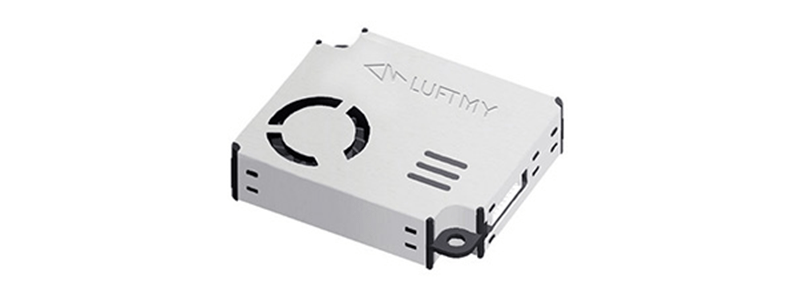
The Key Role of PM2.5 Sensors in Fresh Air Systems
A PM2.5 sensor is a device used to detect the concentration of PM2.5 particulate matter in the atmosphere. These particles have a diameter of less than 2.5 micrometers and can remain suspended in the air, posing a threat to health. In a fresh air system, PM2.5 sensors play a critical role with the following important functions:
● Air Quality Monitoring: PM2.5 sensors can monitor the concentration of PM2.5 particulate matter in indoor air in real-time. This helps in understanding air quality, especially during high pollution or fire events.
● Automatic Adjustment: Based on data from the PM2.5 sensor, the fresh air system can automatically adjust fan speed and operating time. When the sensor detects an increase in PM2.5 concentration, the system increases the supply of fresh air to improve indoor air quality.
● Health Protection: By monitoring and controlling PM2.5 levels, the fresh air system can reduce the concentration of harmful particles in indoor air, providing a healthier indoor environment and reducing potential hazards to the respiratory tract.
● Energy Saving: By automatically adjusting operation based on actual needs, the fresh air system can use energy more efficiently and reduce energy waste.
Fresh air systems and PM2.5 sensors are key components for achieving improvement in indoor air quality. The fresh air system introduces fresh air and exhausts stale air while using filters to provide a fresh indoor environment. PM2.5 sensors help monitor and control the concentration of PM2.5 particulate matter in indoor air, ensuring the air is fresh and healthy. The synergy between these two provides us with a higher quality indoor environment, promoting health and comfort. Therefore, it is very important to consider the integration of PM2.5 sensors when designing and using fresh air systems.