

Technical Support:
158-7527-1139


As public concern over indoor air quality continues to grow, fresh air systems have become increasingly popular as an essential device for improving the indoor environment. This article will deeply explore the roles and functions of fresh air systems, as well as the key role of sensors within them, helping you better understand how to improve indoor air quality and comfort.
Basic Roles and Functions of Fresh Air Systems
1. Introducing Fresh Air: The primary task of a fresh air system is to bring outdoor fresh air indoors to replace stale air. This helps provide a clean indoor environment and reduces the concentration of harmful gases and odors.
2. Exhausting Stale Air: Simultaneously, the fresh air system exhausts indoor stale air to ensure air circulation and renewal. This helps prevent the indoor air from becoming stuffy and polluted.
3. Air Filtration and Purification: Many fresh air systems are equipped with high-efficiency filters that remove dust, pollen, bacteria, viruses, and harmful particulate matter from the air. This significantly improves indoor air quality, especially in high-pollution areas.
4. Energy-Efficient Operation: Advanced fresh air systems often include energy efficiency features. Through intelligent control, they can automatically adjust operating time and air volume based on actual demand to reduce energy waste.
5. Increasing Comfort: The introduction of fresh air and improved circulation help enhance the comfort of the indoor environment, reducing humidity, stuffiness, and odors.
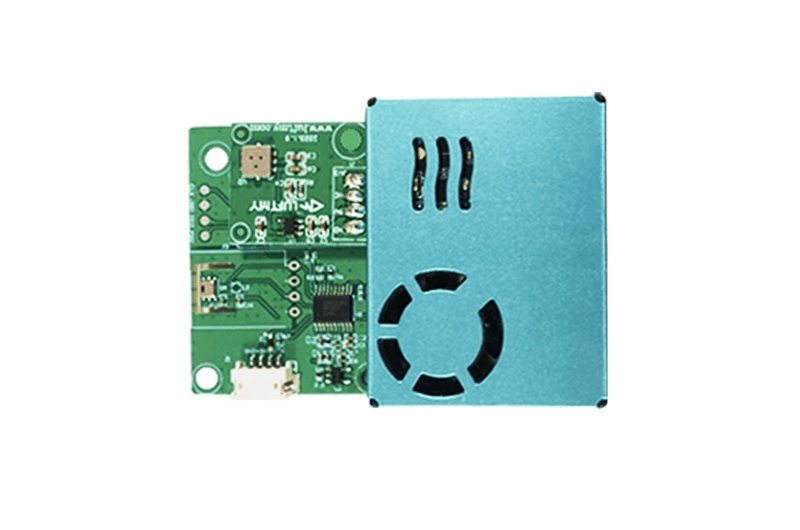
The Key Role of Sensors in Fresh Air Systems
1. Air Quality Monitoring: Sensors in fresh air systems are used for real-time monitoring of indoor air quality. These sensors can measure humidity, carbon dioxide concentration, harmful gases, and particulate matter levels. Using data from these sensors, the fresh air system understands air quality conditions and automatically adjusts its operation accordingly.
2. Automatic Control: Based on sensor data, the fresh air system can automatically adjust its working mode to ensure indoor air remains consistently fresh. When sensors detect a decline in air quality, the system increases the supply of fresh air to improve the indoor environment.
3. Health Protection: By monitoring the levels of harmful gases and particles, the fresh air system can reduce the potential health hazards posed by harmful substances. This is critical for respiratory and cardiovascular health.
4. Energy Efficiency and Environmental Protection: The use of sensors helps fresh air systems use energy more efficiently. Systems can automatically adjust operation based on actual needs, reducing unnecessary energy waste and contributing to environmental protection.
Understanding the Importance of Fresh Air Systems
Fresh air systems play a key role in improving indoor air quality, protecting health, saving energy, and enhancing comfort. As technology advances, fresh air systems are becoming more intelligent. Through sensors and automatic control, they can better meet user needs and provide a fresher, healthier indoor environment. For those who value quality of life and health, understanding the role of fresh air systems and the critical function of sensors is very important.
Fresh air systems are vital tools for maintaining indoor air quality and comfort. The key role of sensors allows the system to monitor and automatically adjust in real-time, ensuring superior air quality. By understanding the roles and functions of fresh air systems, we can better utilize this technology to improve indoor environments, protect health, save energy, and achieve a higher quality of life.
