

Technical Support:
158-7527-1139

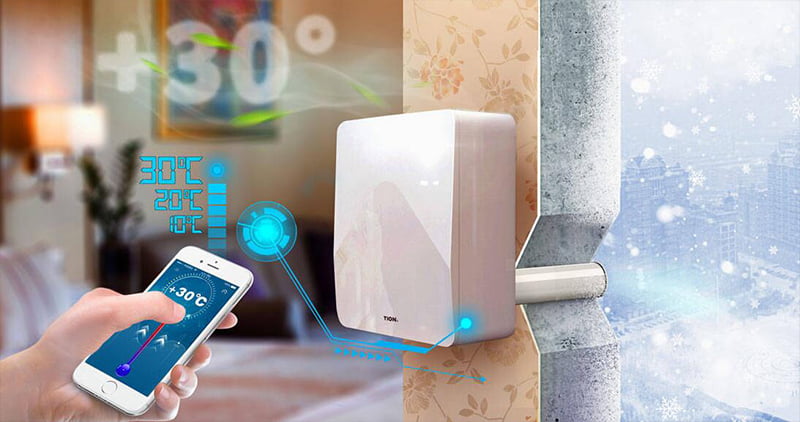
In modern work environments, indoor air quality and the health and comfort of employees have become increasingly important. Equipping a fresh air system as part of office equipment has become a more prevalent trend. This article will explore why offices need to install fresh air systems and the key role of sensors in this process.
The Necessity of a Fresh Air System
● Improving Indoor Air Quality: The office is where employees stay for long periods, and indoor air quality is crucial for their health and efficiency. A fresh air system can introduce fresh outdoor air, remove stale air, and reduce the concentration of harmful substances in the air.
● Enhancing Employee Health: High-quality indoor air can lower the risk of illness among employees, reducing respiratory problems and allergic reactions. This has a positive impact on both employee health and productivity.
● Increasing Work Efficiency: Good air quality and a comfortable working environment can improve employee efficiency and focus. Employees find it easier to concentrate, thereby reducing error rates.
● Boosting Employee Satisfaction: Providing a fresh indoor environment is a way for employers to show care for employee well-being. Employees are more motivated and satisfied with the company culture in a comfortable work environment.
● Energy Saving and Environmental Protection: Advanced fresh air systems often use more energy-efficient technologies, such as sensor control, which can automatically adjust operation based on actual demand. This not only helps save energy but also contributes to reducing carbon emissions.
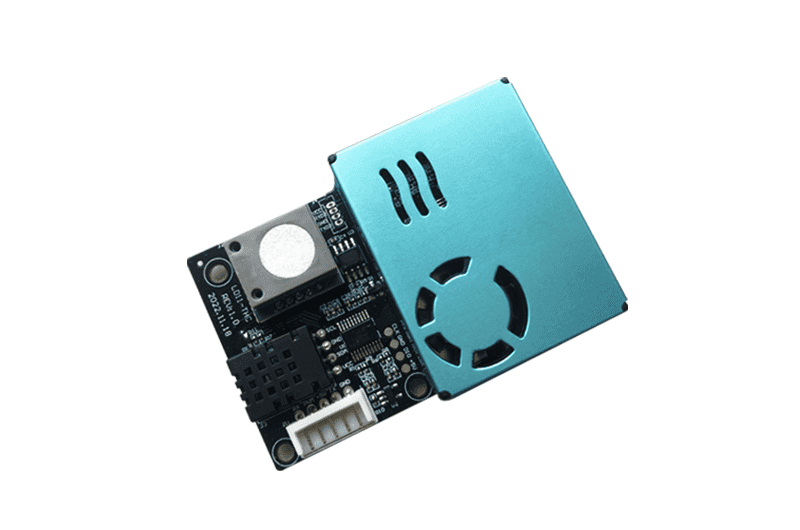
The Key Role of Sensors in Fresh Air Systems
Sensors play a vital role in office fresh air systems:
● Air Quality Monitoring: Sensors can monitor indoor air quality in real-time, including carbon dioxide concentration, humidity, temperature, and the concentration of harmful particles. This data is used to evaluate air quality status.
● Automatic Adjustment: Based on sensor data, the fresh air system can automatically adjust its operation to ensure superior air quality. When sensors detect poor air quality, the system can increase the supply of fresh air.
● Health Protection: By monitoring and controlling harmful substances in indoor air, sensors help reduce health risks for employees, particularly respiratory issues.
● Energy Conservation: Sensor technology can reduce unnecessary energy waste by ensuring the system operates when needed and lowers energy consumption when idle.
The Future of Fresh Air Systems
As technology continues to advance, fresh air systems will continue to evolve to meet growing demands. In the future, we can expect fresh air systems to become more intelligent, capable of integrating with other office equipment and smart building systems to achieve higher levels of automation and energy efficiency. Additionally, new sensor technologies and data analysis tools will help offices better understand and manage air quality.
The installation of an office fresh air system is a key step in improving the indoor environment and enhancing employee health and comfort. Sensor technology plays a critical role in this process, helping to monitor and control air quality while achieving energy savings and environmental protection. By understanding the necessity of fresh air systems and the role of sensors, offices can provide employees with a healthier and more comfortable work environment, thereby increasing productivity and employee satisfaction.
