Technical Support:
158-7527-1139

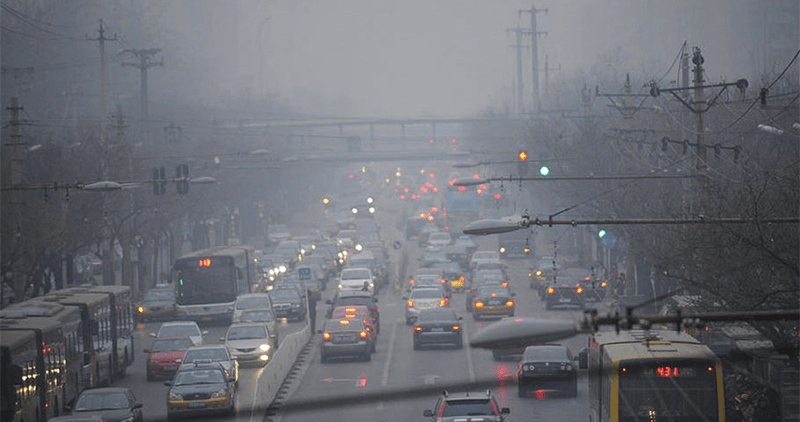
In autumn, as temperatures drop and moisture in the air decreases, air pollutants more easily condense into particulate matter. Particles in haze, including PM2.5 and PM10, have diameters of less than 10 micrometers and can enter the human respiratory tract, causing damage to the lungs. Additionally, haze contains harmful gases such as formaldehyde and benzene, which also affect human health.
Therefore, during autumn haze weather, it is very important to perform indoor air purification.
So, how should indoor air purification be done in autumn?
In autumn haze weather, the following measures can be taken for indoor air purification:
● Strengthen Ventilation: Open windows for ventilation 2-3 times a day for at least 30 minutes each time. In haze weather, you can turn on the fresh air system to enhance indoor and outdoor air exchange.
● Use Air Purifiers: Air purifiers can effectively remove pollutants such as particulate matter and harmful gases. When choosing an air purifier, select an appropriate model based on the indoor area and the level of air pollution.
● Reduce Indoor Pollution Sources: Reducing indoor pollution sources can effectively improve indoor air quality. When decorating, choose environmentally friendly materials and ensure good ventilation. In daily life, keep the interior clean to reduce dust and pollutants.
● Utilize Sensors: Sensors can monitor indoor air quality and provide a scientific basis for indoor air purification. Smart air purifiers can automatically adjust their purification functions based on sensor data, making them more energy-efficient and environmentally friendly.
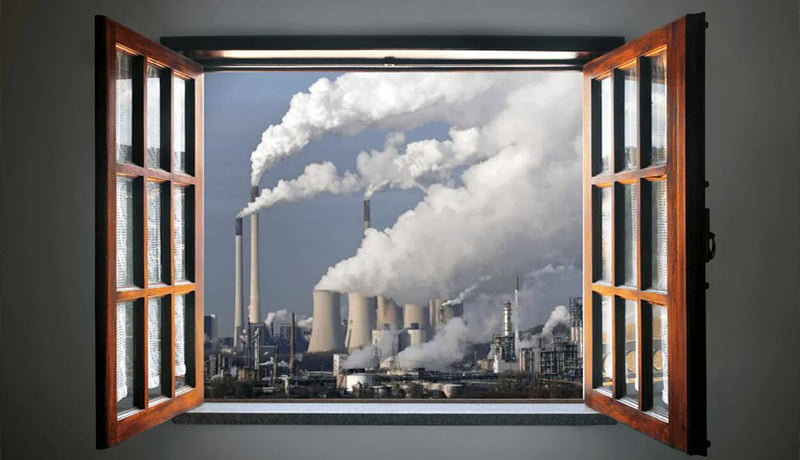
Sensors Aid Indoor Air Purification
The application of sensor technology can help us better perform indoor air purification.
● Air Quality Sensors: Air quality sensors can monitor indoor air quality in real-time, such as concentrations of PM2.5, PM10, formaldehyde, benzene, and other pollutants. With air quality sensors, we can promptly understand indoor air quality conditions and take corresponding measures.
● Smart Air Purifiers: Smart air purifiers can automatically adjust their purification function based on data from air quality sensors. This ensures the purifier works when needed, making it more energy-efficient.
In autumn haze, protecting health starts with purifying indoor air. By strengthening ventilation, using air purifiers, reducing indoor pollution sources, and utilizing sensors, we can effectively improve indoor air quality and protect the health of ourselves and our families.