Technical Support:
158-7527-1139

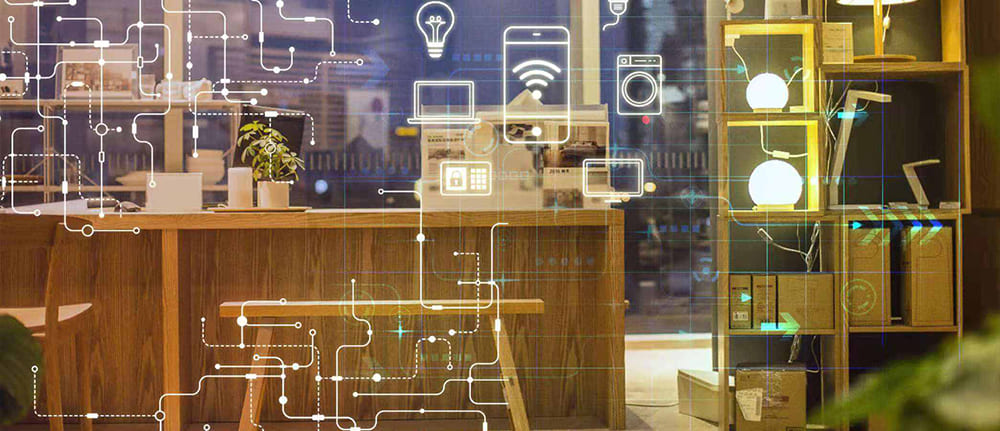
With the continuous development of technology, smart homes have gradually become a standard feature in modern households, bringing more convenience and comfort to our lives. However, to achieve a true smart home experience, sensors play a vital role. This article will explore in depth why smart homes cannot live without sensors, revealing their core position in smart home technology.
What is the role of sensors?
Before diving deep into the relationship between smart homes and sensors, let us first understand the basic role of sensors. A sensor is a device capable of perceiving and measuring the surrounding environment, capturing various information such as temperature, humidity, light, motion, sound, gas, liquid, etc. This information is converted into digital signals by the sensor and then transmitted to smart devices, such as smartphones, smart speakers, and smart home control centers.
The essence of a smart home
The essence of a smart home lies in achieving automation and interconnection of home devices to provide a smarter, more convenient, and efficient lifestyle. This means that home devices can be controlled not only remotely through a smartphone or voice assistant, but also through intelligent collaboration and automated operations between devices. Sensors play a key role in this process.
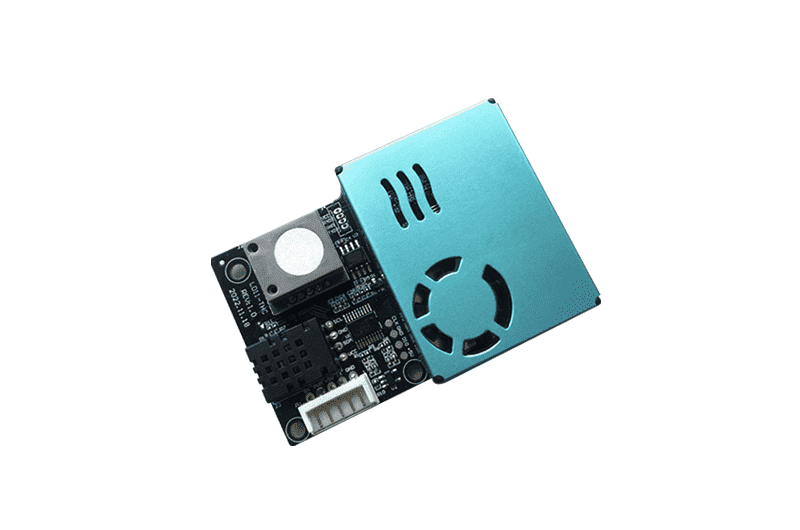
Applications of sensors in smart homes
Below we will delve into various applications of sensors in smart homes:
● Temperature and Humidity Sensors: These can help you achieve automatic control of indoor temperature and humidity. These sensors can be connected to smart thermostats, allowing you to easily adjust your home's indoor climate, increasing comfort and reducing energy consumption.
● Motion Sensors: These can detect personnel activity within a room. They are used to trigger operations for devices such as lighting, security cameras, and smart door locks. This helps improve home security and convenience.
● Light Sensors: These can perceive indoor light levels and automatically control curtains, lighting, and smart windows. This helps improve energy efficiency and improves indoor lighting when needed.
● Sound Sensors: These can detect sound signals and are used for voice assistants, audio systems, and smart security alarms in smart homes. They can also be used to detect abnormal sounds, such as breaking glass or the sound of a smoke detector.
● Gas Sensors: These can detect harmful gases (such as carbon monoxide, formaldehyde) or fire alarms. This helps in early detection of potential hazards and improves home safety.
● Level Sensors: Used to monitor liquid levels in water tanks, pipes, or fuel tanks to ensure timely maintenance and resource conservation.

Interconnection of Sensors
Sensors do not only work individually; they are also capable of communicating with each other to achieve intelligent collaboration between devices. For example, when a temperature sensor detects a temperature rise, it can communicate with a thermostat to lower the indoor temperature. This interconnection makes smart home systems more intelligent and adaptive.
Future Development
As technology continues to develop, sensors will continue to play more roles, and more innovative applications may emerge in the future. For example, machine learning and artificial intelligence will make sensors even smarter, capable of learning user preferences and providing a more personalized experience.
In modern smart home systems, sensors play a key role, providing convenience, comfort, and safety for our lives. Whether in indoor climate control, security monitoring, energy management, or intelligent interconnection, sensors are an indispensable part of smart homes. In the future, sensor technology will continue to evolve, bringing more innovation and improvement to our home life. Therefore, we can say without exaggeration that smart homes cannot live without sensors.