

Technical Support:
158-7527-1139


Indoor air quality is one of the key factors in our lives, especially in modern society where people spend most of their time working and living indoors. Unfortunately, many people underestimate the potential impact of indoor pollution on health. This article will focus on the importance of indoor air quality detection, and the role of gas sensors in enhancing indoor air quality.
Importance of Indoor Air Quality Detection
Indoor air quality directly affects our health and quality of life. Poor indoor air quality can lead to a range of health issues, including respiratory problems, allergic reactions, headaches, fatigue, and long-term diseases. Therefore, understanding and improving indoor air quality is crucial.
Here are some key reasons for indoor air quality detection:
● Health issues: Long-term exposure to highly polluted indoor air may lead to serious health problems such as asthma, bronchitis, and other respiratory diseases.
● Productivity improvement: Good indoor air quality can improve work efficiency and academic performance, as fresh air helps with concentration and mental clarity.
● Comfort: Good indoor air quality provides a more pleasant living and working environment, promoting quality of life.
● Indoor pollution sources: Through indoor air quality detection, you can identify and reduce indoor pollution sources, such as volatile organic compounds (VOCs), formaldehyde, and nitrogen oxides.
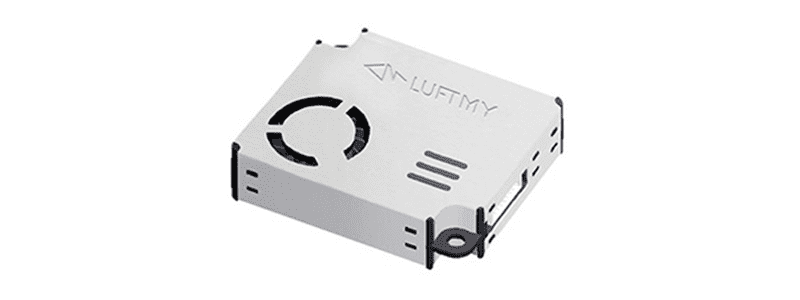
Role of Gas Sensors in Indoor Air Quality Detection
To improve indoor air quality, gas sensors play a vital role. These sensors can detect and monitor various gases indoors, helping us better understand and control indoor air quality.
Here is the role of gas sensors in indoor air quality detection:
● Detecting harmful gases: Gas sensors can detect the concentration of harmful gases such as formaldehyde, carbon monoxide, nitrogen oxides, etc. This helps identify indoor pollution sources and take necessary measures to reduce their concentration.
● Monitoring temperature and humidity: Gas sensors can also monitor indoor temperature and humidity, which is vital for ensuring a comfortable indoor environment. Inappropriate temperature and humidity levels may cause health issues.
● Data recording and analysis: Modern gas sensors are usually integrated with smart systems, capable of recording and analyzing data. This allows users to monitor indoor air quality at any time, and even perform remote control and management.
● Alarm system: Gas sensors can be integrated with alarm systems. When the concentration of a certain gas indoors exceeds safety standards, the system will issue an alarm to remind users to take necessary action.
● Continuous improvement: Through long-term data recording, you can evaluate trends in indoor air quality and take improvement measures to ensure continuous high-quality air.

How to Improve Indoor Air Quality
In addition to using gas sensors to detect indoor air quality, there are other methods to improve it, including:
● Ventilation: Maintain indoor ventilation and open windows regularly so that fresh air can flow in and discharge pollutants.
● Use air purifiers: Air purifiers can filter particles and pollutants from the air, improving air quality.
● Reduce chemical use: Minimize the use of chemical cleaners and harmful substances indoors and choose environmentally friendly products.
● Indoor greening: Indoor plants can help improve air quality as they can absorb some harmful substances.
● Regular maintenance: Ensure regular maintenance of all indoor equipment and systems to ensure their proper operation.
In summary, indoor air quality detection is a key step to ensure that you and your family have a healthy life. The use of gas sensors can help you better understand indoor air quality and take the necessary measures to improve it. Meanwhile, through ventilation, using air purifiers, and other methods, you can effectively improve indoor air quality, thereby enhancing quality of life and health.
