Technical Support:
158-7527-1139

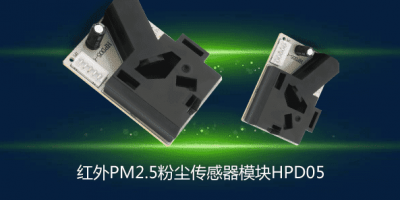
The HPD05 uses optical scattering to obtain particulate concentration. It is suitable for air purifiers, air conditioners, fresh air systems, and air quality detection instruments.
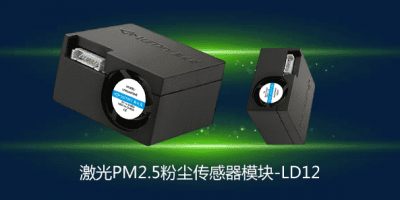
The LD12 is a high-precision laser sensor based on Mie Scattering Theory. It can be embedded in smoke alarms, purifiers, and air conditioners with purification functions to provide accurate data.
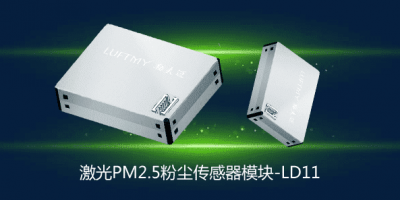
The LD11 is a high-precision sensor based on Laser Mie Scattering Theory. It continuously calculates the concentration and distribution of suspended particles. It can be embedded in smoke alarms, air purifiers, and other environmental equipment.

The harm from air pollution is obvious, especially for those staying indoors like pregnant women and infants. A US study showed that babies born to mothers in polluted areas had a 9% lower birth weight and a 2% smaller head circumference.
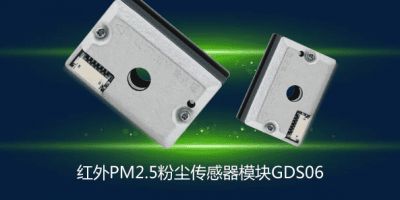
The GDS06 uses optical scattering to obtain particulate concentration. Particles and molecules scatter light and absorb energy. The intensity of scattered light is proportional to the electrical signal, allowing the calculation of dust concentration via PWM or UART communication.
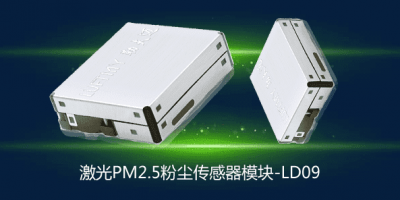
The LD09 is a high-precision particulate sensor based on Laser Mie Scattering Theory. It continuously collects and calculates the number of particles of different sizes per unit volume with digital output.
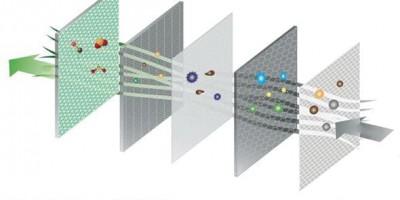
Air pollution reduces air quality, causing health issues. Harmful gases like carbon monoxide can even cause death. Consequently, air purifiers and gas sensors are gaining interest from manufacturers. Environmental awareness is creating new opportunities in smart homes, wearables, and car purification.
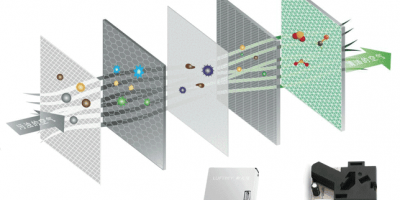
A fresh air system is a type of indoor purification equipment that exchanges indoor and outdoor air without opening windows. It provides a 24-hour supply of oxygen-rich air. Common in the West since the 70s, it is now widely used in Chinese homes and villas.
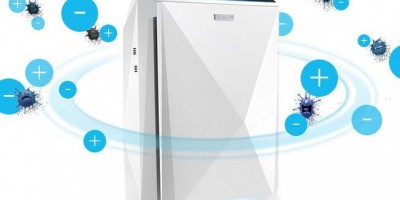
The Luftmed D600-MWT2 is a high-end purifier launched by Luftmed Germany for the Chinese market. It uses filter technology combined with self-developed AIT light ion technology for sterilization and smoke removal. It performs exceptionally well in extreme conditions, with particle counts for 0.5μm and 0.3μm particles reaching zero.
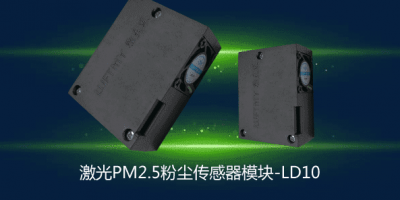
The LD10 is a high-precision particulate concentration sensor based on Laser Mie Scattering Theory with digital output. It can be embedded in various air-quality instruments to provide accurate concentration data.
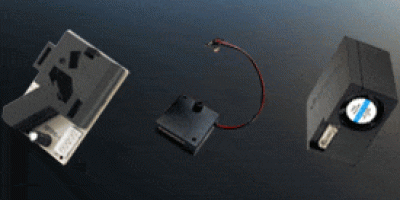
Haze remains a focus, especially in cities with high PM2.5. Most people get PM2.5 data from weather reports or the internet, which represent average values from specific stations over a period. This often differs from your immediate or indoor environment.
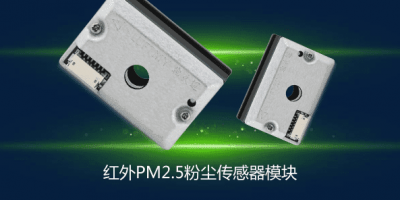
There are two types of PM2.5 sensors: infrared dust sensors, which use an infrared source to analyze scattering, and laser dust sensors, which use the same principle but are much more accurate, detecting particles as small as 0.3μm.