Technical Support:
158-7527-1139

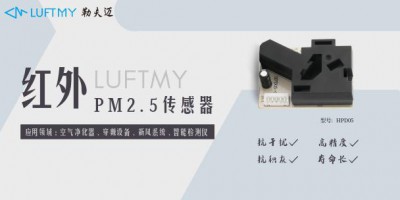
Due to industrial growth and vehicle emissions, air quality has declined. "PM2.5" (Particulate Matter 2.5) has become a focus. These fine particles suspend in the air; higher concentrations indicate worse air quality. PM2.5 modules are installed in monitors to track these values. We discuss how to select and apply them.
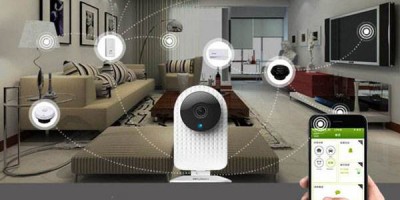
With the 5G era, smart homes and IoT have entered daily life. Security monitoring, appliance control, lighting, and voice commands can all be handled via mobile. Behind this tech are integrated wiring and automation, all relying on sensors to connect intelligently. Sensors are indispensable to smart homes.
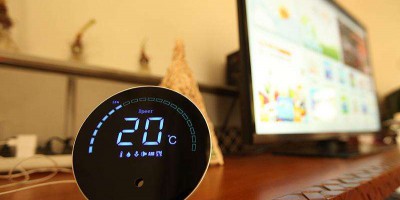
In recent years, environmental quality has gained more attention. Many families use air purifiers for better living, while public places install monitors to track parameters and improve air quality. What data can these devices detect? Luvemay explains.
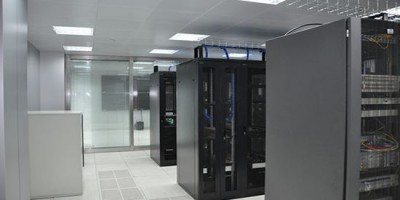
An enterprise server room database is its lifeline, relating to every department's information and operation. To ensure data center health, monitoring air quality is vital. Particulates and corrosive gases are the biggest environmental threats to server rooms.
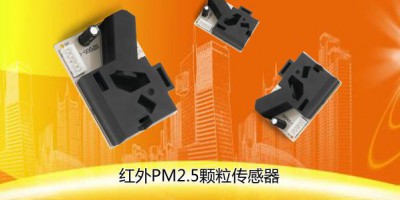
Technology is moving fast. Concepts like "Smart Home," "5G Era," and "IoT" are now reality. Automatic control and detection are widely used, making life convenient and production efficient. Sensors are vital parts of automated equipment; infrared sensors are among the most common. Here is a brief look at their future.
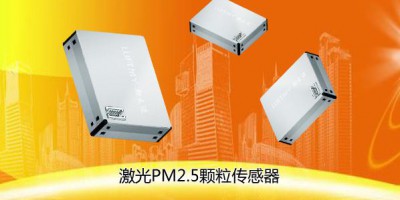
Laser sensors utilize laser technology for measurement and are modern instruments. Their advantages include non-contact long-distance measurement, high speed, high precision, and strong anti-interference capabilities. They are found in many fields today. Who provides the best high-precision laser sensors?

Xiao Le from Luvemay saw trending topics on Weibo like #LuckinCoffeeForged2.2BillionTransactions# and #LuckinPlummets#. Suddenly, Luckin stores were flooded with orders. Xiao Le tried to order a latte, but the Luckin App crashed? Let's look at the tech behind the scenes.
With the development of AI, electronic devices have made breakthroughs in automation and data processing. Traditional sensors can no longer meet these needs. Smart sensors, equipped with microprocessors, have the capability to collect, process, and exchange information. They are the result of combining sensor integration with microprocessing. What are their advantages over general sensors?

Inhalable particulate matter generally refers to particles with a diameter below 10 micrometers, also known as PM10. It persists in the air for a long time and has a significant impact on health and visibility. Once inhaled, it accumulates in the respiratory system. Many cities now measure environmental PM10; Luvemay will now introduce the determination methods for PM10.
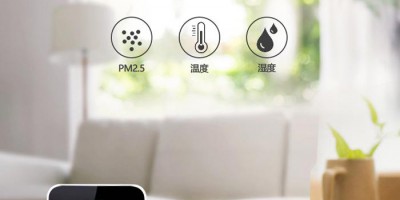
A gas sensor is a converter that transforms the volume fraction of a specific gas into a corresponding electrical signal. The probe conditions gas samples by filtering impurities, drying, or cooling before the instrument displays the results. Gas sensors are used across many sectors; let's take a look.

In large cities, the subway is a primary means of travel due to its efficiency and environmental friendliness. Since subways are underground, there are many environmental issues to consider such as air quality, temperature, and humidity. The environmental control system is particularly important and is comprised of many sensors. Below, the Luvemay editor will discuss the application of various sensors in subway systems.

Common dust sensors are used in devices such as air purifiers, vacuum cleaners, air conditioners, and sweeping robots. Following the release of China's indoor air quality standard for vehicles, "Guideline for Air Quality Assessment of Passenger Cars," people have paid more attention to air quality inside vehicles. Many modern cars are equipped with intelligent air purification systems, of which the dust sensor is a crucial component. So, what exactly does an in-car dust sensor do?