Technical Support:
158-7527-1139

In modern life, we spend most of our time in indoor environments, so indoor air quality is vital to our health. Indoor air can be polluted for many reasons, such as smoke, chemical volatilization, mold growth, etc. However, the problem is that indoor air pollution is not always visible to the naked eye or easy to perceive.
So, how do we know if the indoor air is polluted?
Generally speaking, if indoor air is polluted, it will manifest in the following ways:
● Unusual odors: Persistent odors can be a sign of indoor air pollution.
● Respiratory problems: Such as coughing, sneezing, asthma, or difficulty breathing.
● Headaches, eye irritation, or other physical discomfort: These may be reactions to certain air pollutants.
● Mold growth: The presence of mold indicates excessive indoor humidity, which can lead to air quality issues.
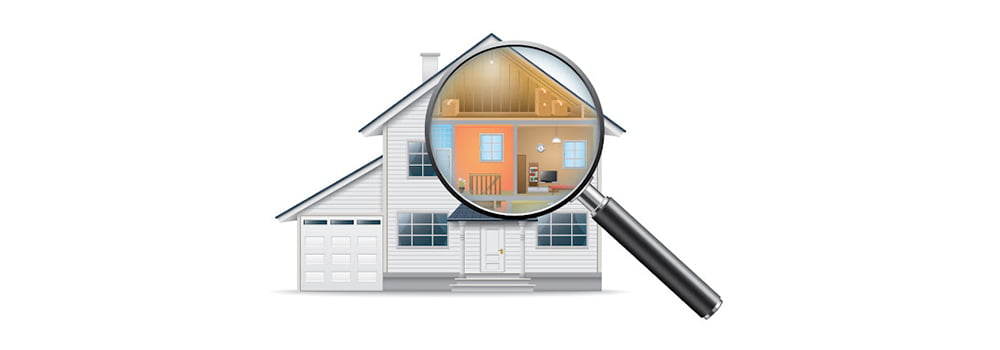
Once we find a problem with the indoor air, the next step is to monitor the indoor air quality. Currently, there are several methods to monitor indoor air quality:
1. Use indoor air quality monitors: These devices can detect multiple indicators such as PM2.5 (fine particulate matter), VOCs (volatile organic compounds), CO2 (carbon dioxide) levels, temperature, and humidity. These monitors provide real-time data to help you understand the condition of indoor air.
2. Conduct regular professional air quality testing: Although home monitors are convenient, professional air quality testing can provide more comprehensive and accurate data. This is especially applicable to serious air quality problems or after indoor environmental renovations.
3. Pay attention to indoor humidity: High humidity can promote mold growth and dust mite breeding, thereby affecting air quality. Use a hygrometer and maintain appropriate indoor humidity (usually suggested between 30% and 50%).
4. Note ventilation: Indoor ventilation status has a significant impact on air quality. Regular window opening for ventilation helps reduce the concentration of indoor pollutants.
5. Use air purifiers: For specific air pollution issues such as PM2.5, pet dander, pollen, or smoke, air purifiers can effectively reduce indoor pollutants.
In summary, identifying signs of indoor air pollution and adopting effective monitoring and improvement measures are crucial for maintaining good indoor air quality and promoting a healthy life. By taking active measures, we can create a safer, healthier living environment for ourselves and our loved ones.